0%

You know, when it comes to water treatment and soil stabilization, Apam Anionic Polyacrylamide has really become a key player in making things work more smoothly. And with the 138th Canton Fair coming up in 2025 — where all the latest innovations in this field will be on display — it’s pretty clear just how important Apam Anionic Polyacrylamide is. The market’s booming, actually, with demand expected to hit around USD 6 billion by 2027, so companies like QINGDAO OUBO CHEMICAL CO., LTD are really positioning themselves to lead the pack. They’ve been around since 2011 and focus on producing all types of polyacrylamide — cationic, anionic, and nonionic — using state-of-the-art tech to meet the changing needs of industries worldwide. Honestly, the fair is a fantastic chance for industry folks to check out the latest on Apam Anionic Polyacrylamide, spark collaborations, and push forward sustainable solutions in water management and beyond.

Exploring Apam Anionic Polyacrylamide Innovations at the 2025 China's 138th Canton Fair

Innovative Applications of Apam Anionic Polyacrylamide in Industry

Hey, have you heard about the upcoming 138th Canton Fair in China in 2025? It’s gonna be a big deal, especially when it comes to showcasing some really cool new uses for Apam Anionic Polyacrylamide, or APAM for short. This versatile polymer is actually pretty impressive — it helps retain water and boost soil quality, making it a favorite in agriculture. Farmers are loving it because it makes irrigation more efficient and helps deliver nutrients better, which is a win for sustainable farming. It’s like a modern must-have for better, greener agriculture practices.

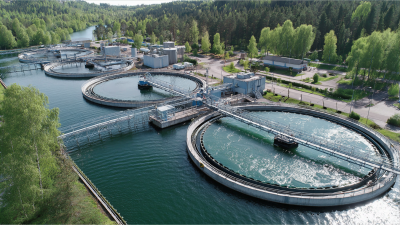
But wait, APAM isn’t just changing farming; it’s also making a difference in wastewater treatment. Thanks to its high molecular weight and particular charges, it works really well at clumping together particles so they settle out effectively. That means industries can clean water smarter and faster, tackling pollution issues head-on while still being kind to the environment. As the Canton Fair rolls out these new applications, it’s clear that innovations like APAM are really transforming old-school processes and helping us move toward greener, more sustainable solutions in pretty important sectors.

Exploring Apam Anionic Polyacrylamide Innovations at the 2025 China's 138th Canton Fair

Emerging Trends in Water Treatment Technologies at the Canton Fair

So, the 2025 China’s 138th Canton Fair really acts as a huge stage for showcasing the latest in water treatment tech, especially when it comes to new stuff like Apam anionic polyacrylamide. With everyone looking for better, more sustainable ways to handle water, the event’s a great place to see how companies are pushing forward with innovative ideas to tackle some pretty serious environmental issues. You’ll notice more and more brands focusing on new materials and clever techniques to make water purification more effective while also being kinder to the planet.

One of the coolest trends popping up at the fair is this mix of old-school water treatment methods with newer chemical solutions like Apam anionic polyacrylamide. It’s kind of like a hybrid setup that works together to boost flocculation and sedimentation, so water gets cleaner faster and with fewer chemicals. Plus, a lot of exhibitors are putting a real spotlight on eco-friendly formulas and biodegradable options — a sign that sustainability is really taking hold in the industry. Visitors can expect to see not just the latest products, but also collaborative solutions that help industries manage their water better while staying mindful of the environment.

Showcase of Sustainable Solutions: Apam Anionic Polyacrylamide Innovations

So, in 2025 at the 138th Canton Fair, you can bet that the buzz will be all about the latest in Apam Anionic Polyacrylamide. They’re really putting a spotlight on sustainable solutions that are pushing the industry forward—kind of exciting, right? With everyone becoming more aware of environmental issues these days, the demand for eco-friendly products is just growing like crazy. And the cool thing is, innovations in anionic polyacrylamide aren’t just about making it work better—they’re also about making a real difference for our planet. Think less greenhouse gases, using less harmful stuff—these are big wins.

Lately, there’s been a lot of buzz around sustainable polymers like Apam, especially since they’re seen as key players in tackling environmental challenges. The new production methods focus on cutting down waste and energy use—kind of like doing more with less, which totally lines up with the bigger sustainability goals. Plus, research into how these products impact the environment over their entire lifecycle is opening doors to use them in all sorts of fields—stuff like agriculture and wastewater treatment—basically helping us move toward a circular economy. The fair’s a perfect chance to check out all these innovative materials and see how they’ll shape a more sustainable future. It’s pretty exciting stuff, honestly.

Innovations in Apam Anionic Polyacrylamide: Usage by Industry (2025)

Networking Opportunities for Industry Leaders at the 138th Canton Fair

Hey, have you heard about the 138th Canton Fair? It’s actually the biggest multi-industry trade event in the world — pretty impressive, right? It’s a fantastic chance for industry folks to connect, share ideas, and maybe stumble upon new opportunities. Lots of businesses from different sectors head to Guangzhou for this, making it a real hotspot for networking. Whether you're looking to meet potential partners, show off your latest innovations, or explore collaborations, the fair offers tons of opportunities. And, if you’re into Apam Anionic Polyacrylamide technologies, you’ll find some pretty exciting things happening there.

Exploring Apam Anionic Polyacrylamide Innovations at the 2025 China's 138th Canton Fair

When it comes to networking at the Canton Fair, my tip? Focus on building real relationships, not just trying to sell stuff. Be genuine, stay open-minded, and don’t be shy to share your insights about industry trends or your latest tech. Also, don’t miss out on the workshops and seminars—they’re a great way to meet like-minded people and grow your network faster.

What’s really cool is that the fair isn’t just about showing off new products. It’s also a place where ideas and strategies get exchanged — stuff that could really shake up your business approach. If you get involved actively, you might even find long-term partnerships that benefit everyone involved. It’s all about making meaningful connections and staying ahead of the curve!

Future Directions of Anionic Polyacrylamide in Agricultural Enhancement

Looking ahead, the future of anionic polyacrylamide (APAM) in farming looks pretty promising, especially when it comes to sustainable practices. Recent studies have really highlighted how integrating hydrogels—these can be made from APAM—can give farms a real boost. These hydrogels help hold water in the soil better and also improve how nutrients get to plants. This means farmers can grow better crops while using less water, which is pretty cool. One of the best parts? APAM-based hydrogels are pretty versatile—they can be customized for different types of farms and conditions, making them pretty much essential if we want agriculture to be more sustainable.

Of course, we also need to be mindful of environmental concerns tied to polyacrylamide. It’s super important to manage its use responsibly—looking into how it breaks down in the soil and water, and what impact it might have on ecosystems. As farming tech keeps evolving, any use of APAM has to meet strict environmental safety standards. The good news is, researchers are working on new formulations that cut down on toxicity and support healthier soils. By doing this, farmers can keep enjoying the benefits of APAM without putting our environment at risk.

Comparative Analysis of Competitive Products Featured at the Fair

Hey, did you hear about the 2025 Canton Fair? It’s really become a key event for showcasing the latest breakthroughs in the chemical world, especially when it comes to Apam— that anionic polyacrylamide everyone’s talking about. It’s pretty impressive how quickly this polymer is evolving, given how widely it’s used in water treatment, farming, and industrial stuff. I read somewhere— MarketsandMarkets, I think—that the global market for anionic polyacrylamide is expected to jump from around $2.5 billion in 2023 to over $4 billion by 2028, with a steady growth rate of around 10%. That really shows how important it is to stay on top of product innovation if you want to compete out there.

At the fair, manufacturers from all over the globe are showing off new formulations and creative ways to use Apam. It’s pretty interesting to see a big focus these days on making more eco-friendly and biodegradable versions—people are definitely leaning toward sustainability now. For example, some companies are blending Apam with natural polymers to create hybrid formulations, which, according to a study in the Journal of Applied Polymer Science, actually boost water retention and help stabilize soil better. These kinds of innovations aren’t just about performance anymore—they’re also about being kinder to the environment. It’s clear that as sustainability takes center stage, companies are positioning themselves to grab a bigger piece of this lucrative, green-focused market.

Exploring the Versatility and Applications of Anionic Polyacrylamide in Water Treatment and Industrial Processes

Anionic polyacrylamide (APAM) has emerged as a pivotal agent in water treatment and various industrial processes, demonstrating remarkable versatility in its applications. As a flocculating agent, APAM plays a crucial role in solid-liquid separation processes that are vital across multiple sectors. For instance, in urban sewage treatment, APAM allows for the effective clarification of wastewater, facilitating the removal of suspended solids and organic matter. According to recent industry reports, the global water treatment chemicals market, which includes flocculants like APAM, is projected to reach approximately $50 billion by 2027, underscoring the growing demand for efficient treatment solutions.

In the paper and food processing industries, APAM is instrumental in enhancing the efficiency of sludge dewatering processes. It aids in the formation of larger flocs, which improve the settlement and dewatering characteristics of sludges. This is particularly important in the paper industry, where stringent regulations surrounding wastewater management require effective treatment solutions. The metallurgical sector also benefits from APAM’s properties, using it in mineral processing to optimize recovery rates and reduce waste. These applications not only improve the sustainability of industrial operations but also align with the increasing emphasis on environmental compliance and resource recovery. Through its diverse uses, anionic polyacrylamide continues to be an indispensable tool in modern water treatment strategies and industrial processes.

FAQS

: What is

pam Anionic Polyacrylamide (APAM) used for in agriculture?

How does APAM benefit wastewater treatment processes?

APAM's high molecular weight and charge properties enable effective flocculation and sedimentation, which improves purification processes and helps in pollution control.

What innovative trends related to water treatment technologies are expected at the Canton Fair?

The fair will showcase hybrid systems that combine conventional water treatment methods with advanced chemical additives like APAM, enhancing flocculation and sedimentation for cleaner water.

What sustainable practices are emerging in the use of APAM within agriculture?

The integration of hydrogels derived from APAM is emerging, which improves soil moisture retention and nutrient delivery, helping farmers optimize crop yields while minimizing water usage.

What environmental concerns exist regarding the use of polyacrylamide in soil and water?

Concerns center on the need for sustainable management and understanding the degradation pathways of PAM, focusing on potential risks to ecosystems.

How are exhibitors at the Canton Fair promoting sustainability in water treatment?

Many exhibitors are emphasizing eco-friendly formulations and biodegradable alternatives, reflecting a shift toward sustainable practices in the water treatment industry.

What advantages do APAM-based hydrogels provide for farmers?

APAM-based hydrogels offer tailored solutions for diverse agricultural settings, improving soil moisture retention and nutrient delivery, which optimizes crop yields.

Why is the incorporation of APAM in agriculture aligned with environmental safety?

It is essential to develop advanced formulations that reduce toxicity and enhance soil health to ensure that the use of APAM in agriculture aligns with environmental safety standards.

What opportunities does the Canton Fair provide for industries related to APAM?

The Canton Fair serves as a platform for industries to showcase innovations in APAM applications, promoting greener alternatives and collaborative solutions for sustainable practices.

How is the demand for sustainable water treatment affecting APAM applications?

The increasing demand for sustainable water treatment solutions is driving the adoption of APAM, allowing for improved operational efficiency and reduced environmental impact in purification processes.

Conclusion

Hey, so at the 2025 China's 138th Canton Fair, everyone's really gonna be buzzing about the amazing ways Apam Anionic Polyacrylamide is being used across different industries. The big theme this year? Sustainability. You'll see some pretty cutting-edge solutions that make the most of what this chemical can do—especially in water treatment stuff. Industry folks will be hanging out, chatting about the latest trends, and making new connections, all while spotlighting how important this chemical has become for improving farming techniques and tackling environmental issues.

On top of that, there’ll be a side-by-side look at competing products, giving everyone a good sense of how Apam Anionic Polyacrylamide is evolving and standing out in the market. And since Qingdao Oubo Chemical has been providing polyacrylamide solutions since 2011, we’re pretty excited to be part of these conversations, showing our commitment to pushing innovation and sustainability forward in the chemical world.

Liam

Liam

Liam is a dedicated marketing professional at Qingdao Oubo Chemical Co., Ltd., a company founded in 2011 that specializes in the production and supply of cationic polyacrylamide, anionic polyacrylamide, and nonionic polyacrylamide. With a profound expertise in the chemical industry, Liam plays a......
Previous Choosing the Right Manufacturer for Best High Molecular Weight Anionic Polyacrylamide with Industry Insights
WhatsApp Online Chat !