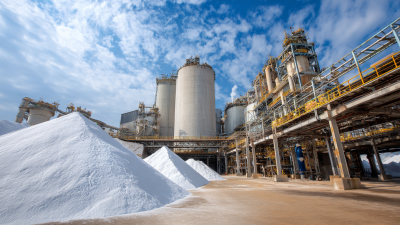
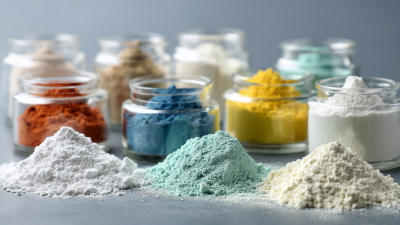
You know, these days, more and more industries are turning to Polymer Anionic Polyacrylamide MSDS — especially in wastewater treatment and agriculture. I read somewhere that, according to MarketsandMarkets, the global market for polyacrylamide might hit around $10.5 billion by 2025, mainly because there's a rising need for better water purification. And honestly, this compound does a pretty great job at flocculating those pesky suspended solids, which really helps improve water quality.
Plus, a lot of companies have found using Polymer Anionic Polyacrylamide MSDS useful for soil stabilization and controlling erosion. There was a study in the Journal of Environmental Management that pointed out how this polymer actually boosts soil structure, keeping moisture in better and cutting down on runoff. That said, it’s not just all about what it can do—with any chemical like this, you’ve got to be mindful about how much you use and its environmental effects.
In today’s world, where sustainability is more important than ever, relying on Polymer Anionic Polyacrylamide MSDS is kinda a double-edged sword — full of potential but also some hurdles. Finding the right balance between its benefits and ecological impact is super crucial. As this market keeps evolving, doing more research and gathering data will be key to making sure we’re using it the right way across different sectors.

Understanding Anionic Polyacrylamide: A Brief Overview
Anionic Polyacrylamide is a polymer widely used in various industries due to its effectiveness in promoting flocculation and sedimentation processes. According to recent industry reports, the demand for Anionic Polyacrylamide has surged by over 15% in the water treatment sector alone. This increase highlights its importance in enhancing water clarity and removing suspended particles.
One key advantage of Anionic Polyacrylamide is its ability to improve soil structure and enhance agricultural productivity. Studies indicate that its application can lead to a 20% increase in crop yields, particularly in arid regions. This polymer binds tightly to soil particles, reducing erosion and improving moisture retention.
Tips: Make sure to wear appropriate protective gear when handling Anionic Polyacrylamide. A simple mask and gloves can prevent skin and respiratory irritation. Additionally, consider conducting small-scale tests before full-scale application to minimize unforeseen issues.
While Anionic Polyacrylamide offers significant benefits, it is crucial to carefully assess its environmental impact. Some studies suggest that excessive use can lead to long-term soil health issues. Balancing its application while considering ecological factors is vital for sustainable practices. Regular monitoring of soil and water quality can help mitigate potential risks.
Chemical Properties of Polymer Anionic Polyacrylamide
Polymer Anionic Polyacrylamide is widely recognized for its unique chemical properties. This polymer exhibits high solubility in water, forming a viscous solution that is essential in various industrial applications. Its molecular weight can range from 5 million to 25 million Daltons, allowing it to effectively interact with different particles. The anionic nature of the polymer provides it with a strong negative charge. This characteristic enhances its flocculation properties in wastewater treatment processes. Anionic polyacrylamide is especially effective in binding with cationic substances, making it valuable for removing contaminants.
In recent studies, the efficiency of polymer anionic polyacrylamide has been highlighted. For instance, a report from the American Chemical Society indicates that using this polymer can improve solid-liquid separation by up to 50%. This is noteworthy for industries dealing with large amounts of water, such as mining and oil production. Despite its advantages, some researchers caution against over-reliance on polymer anionic polyacrylamide. Environmental concerns about microplastics and residual chemicals warrant a deeper investigation. Understanding its long-term impact on ecosystems is crucial, as certain studies suggest potential soil toxicity when used in excessive quantities.
Top 10 Benefits of Using Polymer Anionic Polyacrylamide Msds
| Benefit |
Description |
Application Areas |
| Water Treatment |
Enhances flocculation and sedimentation processes. |
Municipal and industrial wastewater treatment. |
| Soil Stabilization |
Reduces soil erosion and enhances moisture retention. |
Agriculture and construction sites. |
| Mining |
Improves mineral separation and recovery rates. |
Mineral extraction processes. |
| Oil Recovery |
Enhances oil recovery from reservoirs. |
Primary and secondary oil recovery operations. |
| Paper Industry |
Improves paper strength and quality during production. |
Paper manufacturing processes. |
| Textile Industry |
Facilitates dyeing and finishing processes. |
Textile processing and manufacturing. |
| Construction |
Acts as a thickener and stabilizer in construction materials. |
Concrete and asphalt mixtures. |
| Aquaculture |
Enhances water quality and reduces turbidity. |
Fish farming and aquatic environments. |
| Personal Care |
Used in cosmetic formulations as a thickening agent. |
Cosmetics and personal hygiene products. |
| Pharmaceuticals |
Used as a binder and stabilizer in drug formulation. |
Formulation of various medicines. |
Primary Applications of Anionic Polyacrylamide in Various Industries
Anionic Polyacrylamide is widely used in various industries. Its primary application is in water treatment, where it serves as a flocculant. This process helps in removing suspended particles and impurities from water, significantly improving water quality. The chemical binds to these particles, causing them to clump together for easier removal.
In the agricultural sector, Anionic Polyacrylamide is beneficial for soil stabilization and erosion control. When applied to soil, it retains moisture and enhances the structure of the soil, promoting better crop yields. It reduces water runoff, maximizing water infiltration, crucial in arid regions.
Tips: Always test the product in a small area before widespread application. Monitor soil and water quality regularly. This ensures optimal results and reduces the chance of overuse.
In the mining industry, this polymer aids in concentrating minerals and improving recovery rates. The process enhances separation efficiency during flotation. It's essential, however, to ensure proper handling and usage according to safety data sheets. Missteps can lead to environmental impact.
Another significant application is in the oil and gas sector. It helps in enhanced oil recovery processes. By reducing friction, it allows for easier flow of fluids in wells. Proper monitoring and management of this substance are crucial to minimize risks.
Health and Safety Considerations: MSDS Information
When using polymer anionic polyacrylamide, understanding the Material Safety Data Sheet (MSDS) is crucial. The MSDS provides vital information regarding health and safety risks. It outlines exposure limits and potential hazards associated with the chemical. This document helps users make informed decisions about handling and using the product safely.
For instance, the MSDS details the necessary personal protective equipment (PPE) required during application. Gloves, goggles, and masks may be recommended to prevent skin and eye irritation. Proper ventilation is essential to minimize inhalation risks. Understanding emergency procedures is equally important, as quick actions can mitigate incidents.
Despite its benefits, users must acknowledge the limitations and risks associated with polyacrylamide. Improper handling can lead to health issues. Regular training and thorough understanding of the MSDS can help manage these risks effectively. However, it is essential to remain vigilant and continuously reflect on safety practices within the workspace.
Environmental Impact and Biodegradability of Anionic Polyacrylamide
Anionic polyacrylamide plays a significant role in various industries, especially in water treatment. Its environmental impact is a crucial consideration. Unlike many synthetic compounds, anionic polyacrylamide can be modified to improve biodegradability. This modification minimizes harmful effects in aquatic ecosystems. The polymer breaks down over time, reducing persistent pollution.
However, the complete environmental footprint isn't well understood yet. Some studies suggest that residual particles may still pose risks to wildlife. It’s essential for industries to use this compound responsibly. Monitoring its application helps mitigate potential ecological harm.
Furthermore, transparency in formulation is necessary for safety. Users must be aware of how these polymers interact with natural environments. Regular assessments should be conducted to evaluate long-term effects. Striking a balance between utility and ecological preservation remains a complex challenge. We need to explore more sustainable practices to ensure our use of anionic polyacrylamide aligns with environmental stewardship.
Benefits of Using Anionic Polyacrylamide in Water Treatment
Anionic polyacrylamide (APAM) is widely recognized for its effectiveness in water treatment. According to recent industry reports, it plays a crucial role in coagulation and flocculation processes. This polymer enhances the removal of suspended solids. It significantly improves the efficiency of wastewater treatment systems, reducing operational costs.
The use of APAM leads to a clearer effluent. Studies indicate that with the right dosage, removal rates of turbidity can exceed 90%. This performance is essential in industries where water clarity is critical. However, the required dosage can vary greatly depending on the type of wastewater. This variability means that precise monitoring is necessary to achieve optimal results.
Moreover, APAM can help in sludge dewatering. Reports show that its application can reduce sludge volume by up to 50%. This not only improves the handling of waste but also lessens disposal costs. Yet, overuse might lead to unstable flocs. This is a challenge that operators need to recognize and address, ensuring a balance between effectiveness and efficiency.
Cost-effectiveness and Efficiency of Polymer Anionic Polyacrylamide
Polymer Anionic Polyacrylamide (APAM) is becoming a vital resource in various industries, particularly for its cost-effectiveness and efficiency. Recent industry reports indicate that the global demand for water-soluble polymers is projected to reach approximately $42 billion by 2025. This growth highlights the increasing reliance on materials like APAM for effective water treatment and soil stabilization.
One significant advantage of APAM is its ability to enhance the efficiency of processes. For example, in wastewater treatment, APAM can significantly reduce sedimentation time. Studies show that using APAM can lead to a 30-40% increase in flocculation efficiency, improving overall operational costs. The initial investment in APAM can be offset by lower chemical usage and reduced labor costs over time.
However, it is essential to reflect on the manufacturing and application processes. While APAM offers many benefits, improper use can lead to inconsistent results in different environmental settings. For instance, varying water quality can influence its effectiveness. Continual research and development are necessary to optimize its applications and ensure maximum reliability. Addressing these inconsistencies can refine performance in diverse industrial contexts.
FAQS
nionic Polyacrylamide in water treatment?
It stabilizes soil, controls erosion, retains moisture, and improves soil structure for better crop yields.
Testing in a small area ensures effectiveness and prevents overuse, avoiding negative impacts on soil and water.
It enhances mineral concentration and recovery rates, improving separation efficiency during flotation processes.
It reduces friction, facilitating the flow of fluids in wells, which aids enhanced oil recovery processes.
Modified versions improve biodegradability, but residual particles may still pose risks to aquatic ecosystems.
It's crucial to handle it properly according to safety data sheets and to monitor its environmental interactions.
It can reduce sedimentation time, leading to a 30-40% increase in flocculation efficiency and lower operating costs.
Environmental variations can affect performance, and ongoing research is needed to ensure effectiveness across settings.
Balancing utility and ecological preservation is complex; improper use can lead to inconsistent results and environmental concerns.
Conclusion
Polymer Anionic Polyacrylamide, widely used in various industries, offers numerous benefits that enhance operational efficiency and environmental safety. This versatile compound is characterized by its unique chemical properties, which enable its effectiveness in water treatment processes. Understanding its applications and benefits is crucial for industries looking to optimize their operations while ensuring compliance with health and safety standards, as highlighted in the Polymer Anionic Polyacrylamide MSDS information.
The assessment of health, safety, and environmental impact reveals its biodegradable nature, making it a sustainable choice for water treatment. The cost-effectiveness and efficiency of Polymer Anionic Polyacrylamide further support its use in improving water quality and reducing chemical waste. By leveraging its properties, industries can not only meet regulatory requirements but also contribute to a cleaner environment.