0%

Cationic Polymer Flocculants have really become a key part of modern water treatment today. They play a crucial role in helping us gather up and remove those tiny suspended particles that cloud up water. As more folks look for effective and eco-friendly ways to clean water, it’s super important to really understand how these advanced technologies work and where they’re used. John Smith, who’s a top expert in this area and a Senior Scientist at AquaTreat Solutions, mentions, 'Cationic Polymer Flocculants are truly changing the game when it comes to clearing up water, thanks to some pretty innovative chemistry.'

What is Cationic Polymer Flocculant and How Does It Work in Water Treatment

You see, from municipal wastewater to industrial processes, this stuff works wonders. It’s especially good at helping small particles clump together into bigger flocs, which then settle out more easily. These polymers have a positive charge, so they naturally attract the negatively charged particles in water. That makes it easier to form those larger chunks that can be scooped out or filtered away. As water treatment keeps evolving, there’s no doubt that cationic polymer flocculants will stay at the forefront—making water cleaning more efficient, and hopefully, better for our planet too.

What are Cationic Polymer Flocculants?

Cationic polymer flocculants are a class of water-soluble polymers that carry a positive charge, which allows them to interact effectively with negatively charged particles in water. These flocculants are commonly used in various water treatment processes, including municipal sewage treatment, industrial wastewater management, and paper manufacturing. According to a report by MarketsandMarkets, the global market for cationic polymers is expected to reach $8.5 billion by 2025, reflecting their growing importance in environmental management and water purification.

In practice, cationic polymer flocculants work by neutralizing the negative charges on suspended particles, promoting their aggregation into larger flocs. This floc formation facilitates the subsequent removal of impurities from the water, leading to clearer and cleaner effluent. Studies have shown that the use of cationic polymers can enhance sedimentation rates by up to 50%, significantly improving the efficiency of treatment processes. Furthermore, they are valued for their ability to operate effectively over a wide range of pH levels, making them versatile for various applications in water treatment systems.

The Chemistry Behind Cationic Polymers

Cationic polymers, particularly cationic polyacrylamide, play a crucial role in water treatment processes. These polymers are positively charged, which enables them to interact effectively with negatively charged particles in water, such as suspended solids and colloids. The process of flocculation occurs when cationic polymers bind to these particles, forming larger aggregates or flocs that can easily be removed from the water. This mechanism not only accelerates sedimentation but also enhances the overall clarity and quality of the treated water.

The chemistry behind cationic polymers involves their molecular structure and charge characteristics. Cationic polyacrylamide, for instance, is synthesized through the polymerization of acrylamide with cationic monomers. This results in a highly versatile polymer that can efficiently interact with a variety of contaminants commonly found in wastewater. Our company, Qingdao Oubo Chemical Co., Ltd., specializes in supplying high-quality cationic polyacrylamide, alongside anionic and nonionic counterparts, to meet diverse industrial and environmental needs. By leveraging the unique properties of these polymers, we contribute to effective and sustainable water treatment solutions.

Mechanism of Action in Water Treatment

Cationic polymer flocculants play a crucial role in water treatment processes by enhancing the efficiency of solid-liquid separation. The mechanism of action primarily involves the electrostatic neutralization of surface charges on suspended solids. Many particles in water carry negative charges, which repel each other, preventing them from agglomerating. Cationic polymers, being positively charged, interact with these particles, reducing their repulsive forces. This interaction leads to the formation of larger aggregates or flocs, which are easier to remove from water.

In addition to charge neutralization, cationic flocculants promote bridging between particles. The long chains of the polymer can adsorb onto several particles simultaneously, effectively linking them together and facilitating the formation of dense flocs. This bridging mechanism enhances sedimentation or flotation, depending on the treatment process used. The result is a more efficient removal of turbidity and contaminants, leading to cleaner water. Overall, the cationic polymer flocculant's dual mechanism of charge neutralization and bridging makes it an essential component in modern water treatment systems.

Applications of Cationic Polymer Flocculants

What is Cationic Polymer Flocculant and How Does It Work in Water Treatment

Cationic polymer flocculants have gained significant attention for their efficacy in various water treatment applications. Recent studies highlight their effectiveness in flocculating kaolin particles, showing that polymers with higher charge density and molecular weight, such as KLD5, outperform others in terms of flocculation efficiency. This enhanced performance is particularly crucial in industries that require the rapid and effective removal of suspended particles from wastewater, such as the food industry, where novel bio-based cationic flocculants are being explored to address wastewater treatment challenges more sustainably.

In addition to traditional cationic polymers, innovative solutions like carboxyl-rich chitosan-based polymers have emerged, demonstrating promising results in both clay flocculation and cationic dye removal. With the global emphasis on sustainable practices and efficient resource management, these advancements underscore the importance of integrating environment-friendly flocculants into industrial applications. The synergy of synthetic cationic polyelectrolytes also plays a vital role in coagulation and flocculation processes, particularly in addressing water scarcity issues. Overall, the ongoing research and development of cationic polymer flocculants continue to pave the way for improved water treatment technologies across various sectors.

Benefits of Using Cationic Flocculants in Treatment Processes

Cationic polymer flocculants play a vital role in the water treatment process, offering several benefits that enhance efficiency and sustainability. These positively charged polymers effectively neutralize the negative charges on suspended particles in water, facilitating their aggregation into larger flocs. This process not only improves solid-liquid separation but also reduces the overall energy consumption during treatment. As a result, cationic flocculants are particularly beneficial in applications such as municipal wastewater treatment, where the removal of organic matter and turbidity is essential for compliance with environmental regulations.

One of the primary advantages of using cationic flocculants is their versatility in different water conditions. They demonstrate high performance in a variety of pH levels and can effectively treat a wide range of contaminants, including suspended solids, colloids, and organic pollutants. Additionally, cationic flocculants contribute to the enhancement of the settling process in clarifiers and sedimentation tanks, leading to improved water clarity and reduced processing time. This efficiency not only lowers operational costs but also minimizes the amount of chemical additives needed, making cationic flocculants a sustainable choice for water treatment facilities.

Comparison with Other Types of Flocculants

Cationic polymer flocculants are increasingly recognized for their effectiveness in water treatment processes, particularly when compared to other types of flocculants such as anionic and nonionic variants. These cationic flocculants offer distinct advantages, including superior charge neutralization and enhanced particle aggregation, which lead to improved sedimentation rates. Their unique properties allow them to bond effectively with negatively charged particles in the water, facilitating the removal of suspended solids and impurities.

In contrast, anionic flocculants tend to work best in situations where the particles to be removed are positively charged, while nonionic flocculants are more neutral and may not be as effective in all applications. The choice of flocculant is often dictated by the specific characteristics of the water contaminants and the overall treatment goals. As companies like Qingdao Oubo Chemical Co., Ltd. continue to innovate in this space, the development and application of specialized cationic polyacrylamides exemplify how tailored solutions can enhance water treatment efficiency and efficacy, thereby addressing environmental challenges more effectively.

Safety and Environmental Considerations in Usage

What is Cationic Polymer Flocculant and How Does It Work in Water Treatment

Cationic polymer flocculants play a vital role in water treatment processes by promoting the aggregation of suspended particles, leading to their removal and enhancing water clarity. While their effectiveness is well-established, it is essential to consider safety and environmental implications associated with their use. Proper handling procedures should be strictly followed, as exposure to concentrated forms of these flocculants can lead to skin irritation and other health issues.

Tip: Always wear appropriate personal protective equipment (PPE) when handling cationic polymer flocculants. This includes gloves, goggles, and protective clothing to minimize contact and exposure.

Environmental concerns also arise from the use of cationic flocculants, as their residual presence in treated water can affect aquatic life. It is crucial to monitor and manage the concentrations of these substances effectively. Biodegradability and the potential toxicity of the polymers should be evaluated to ensure they do not pose a threat to ecosystems after their application in water treatment.

Tip: Regularly review and update environmental impact assessments for ongoing projects involving cationic flocculants to ensure compliance with emerging regulations and best practices.

Understanding Cationic Polyacrylamide: Applications, Benefits, and Best Practices for Industrial Use

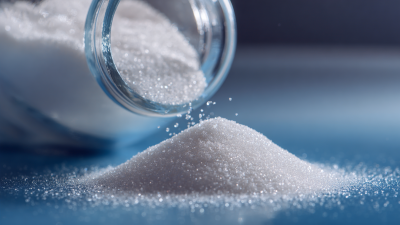
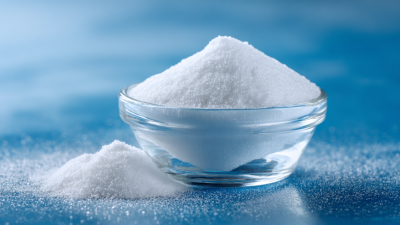
Cationic polyacrylamide (CPAM) is a versatile polymer widely utilized in various industrial applications due to its unique properties. These white granules are linear, high molecular compounds that exhibit excellent solubility in water, making them invaluable in processes requiring high efficiency in flocculation and sedimentation. According to a report by MarketsandMarkets, the global cationic polyacrylamide market was valued at USD 3.2 billion in 2022 and is expected to grow at a CAGR of 6.5% over the next five years. This growth can be attributed to its extensive use in wastewater treatment, paper manufacturing, and enhanced oil recovery.

One of the standout features of cationic polyacrylamide is its non-toxic and odorless nature, allowing for safe usage across various sectors. The polymer's positive charge groups on the molecular chains facilitate effective binding with negatively charged particles, enhancing the separation of solids from liquids. Notably, these attributes make it a preferred choice in municipal and industrial wastewater treatment plants, where its ability to absorb moisture efficiently significantly improves the overall treatment process. According to recent studies, the efficacy of CPAM in reducing sludge volume can reach up to 30%, showcasing its potential for sustainable practices in environmental management.

Best practices for utilizing cationic polyacrylamide involve careful handling to optimize its performance while ensuring safety. Industrial users are advised to adjust dosage based on specific water chemistry and operational conditions to achieve the best results. Furthermore, compatibility testing with other treatment chemicals is essential to prevent potential adverse reactions. By adhering to these best practices, industries can harness the full potential of cationic polyacrylamide, driving both operational efficiency and environmental sustainability.

FAQS

: What is the main mechanism of action of cationic polymer flocculants in water treatment?

: The main mechanism involves the electrostatic neutralization of surface charges on suspended solids, where cationic polymers interact with negatively charged particles, reducing repulsion and promoting agglomeration into larger aggregates or flocs.

How do cationic polymer flocculants enhance the efficiency of solid-liquid separation?

They enhance efficiency by two main mechanisms: charge neutralization, which reduces repulsive forces between particles, and bridging, where long polymer chains link multiple particles together, facilitating the formation of dense flocs.

What industries particularly benefit from the use of cationic polymer flocculants?

Industries such as the food industry benefit significantly due to the need for rapid and effective removal of suspended particles from wastewater.

Are there any innovative cationic flocculants being explored in recent studies?

Yes, novel bio-based cationic flocculants and carboxyl-rich chitosan-based polymers are being researched for their promising results in clay flocculation and cationic dye removal.

What role does the charge density and molecular weight of cationic polymers play in their effectiveness?

Polymers with higher charge density and molecular weight, such as KLD5, demonstrate superior flocculation efficiency compared to other variants.

How do cationic polymer flocculants contribute to sustainable water treatment practices?

They integrate environment-friendly solutions into industrial applications, addressing wastewater treatment challenges and supporting efficient resource management.

What is the importance of flocculant developments in relation to water scarcity?

The ongoing research in cationic polymer flocculants plays a vital role in improving coagulation and flocculation processes, which are essential for addressing water scarcity issues globally.

What outcomes result from the use of cationic polymer flocculants in water treatment?

The use of these flocculants leads to a more efficient removal of turbidity and contaminants, resulting in cleaner water.

Can the mechanism of cationic polymer flocculants be described as simple or complex?

The mechanism is considered complex as it involves both charge neutralization and bridging actions, which together enhance floc formation and separation efficiency.

What ongoing trends are influencing the development of cationic polymer flocculants?

The global emphasis on sustainable practices and the integration of innovative flocculant solutions are key trends shaping the development of cationic polymer flocculants in water treatment technologies.

Conclusion

Cationic Polymer Flocculants are specialized chemical agents used in water treatment processes to enhance the coagulation and sedimentation of suspended particles. These flocculants operate through a unique mechanism that involves positive charge interactions with negatively charged impurities, leading to the formation of larger aggregates that can be easily removed from water sources. The chemistry behind these polymers, particularly cationic polyacrylamide, plays a crucial role in optimizing performance across various applications, such as wastewater treatment, sludge dewatering, and mineral processing.

Utilizing Cationic Polymer Flocculants offers numerous benefits, including improved clarification rates, reduced chemical usage, and enhanced operational efficiency. Compared to other types of flocculants, cationic variants often provide superior performance in specific scenarios, albeit with important safety and environmental considerations. As a key supplier in this field, Qingdao Oubo Chemical Co., Ltd. focuses on delivering high-quality cationic polyacrylamide products to meet diverse water treatment needs.

Sophia

Sophia

Sophia is a seasoned marketing professional at Qingdao Oubo Chemical Co., Ltd., a renowned company established in 2011. With a deep expertise in the field of polymer chemistry, she specializes in the promotion of cationic, anionic, and nonionic polyacrylamide products. Her comprehensive......
Previous Choosing the Right Manufacturer for Best High Molecular Weight Anionic Polyacrylamide with Industry Insights
WhatsApp Online Chat !