0%

Picking the right Nalco Water Treatment Chemicals can feel pretty overwhelming, honestly. There's so many options out there, and it can be tricky to know which one is best for your specific situation. I mean, experts like Dr. Jane Smith, who’s a real pro in water treatment, often say, "Choosing the right chemical can make a huge difference in how smoothly your operations run." So, yeah, it’s a pretty big deal.

When you’re looking at different chemicals, the key thing is really understanding what your water needs. Are you battling scaling, corrosion, or maybe biological growth? Each chemical is designed for a different purpose, so paying attention here really matters. Plus, things like how much you use and how you apply it might need a bit of tweaking depending on your plant’s unique setup.

And honestly, not every chemical will be a perfect fit right off the bat. Sometimes, even pros run into challenges that force them to experiment a little. It’s totally normal to reflect on what’s worked before and accept that trial and error is part of the process. The best choice might not always be obvious at first glance, but keep at it—you’ll figure it out. Ultimately, picking the right chemical can really influence how effective your water treatment is and how well your whole system performs.

How to Choose Nalco Water Treatment Chemicals for Your Needs?

Understanding Your Water Treatment Requirements

Understanding your water treatment requirements is crucial for effective selection of chemicals. Begin by analyzing the specific characteristics of your water source. Is it hard or soft? What contaminants are present? Knowing the pH levels and the presence of minerals can guide your choices. For instance, high iron content may necessitate certain treatment agents to ensure optimal clarity and safety.

Next, consider the purpose of the treatment. Are you aiming for potable water, or is it for industrial processes? Each application has unique demands. An overly aggressive treatment can lead to equipment degradation. Insufficient treatment might fail to meet health standards. Reflect on past experiences and recognize the gaps in your approach. Maybe you’ve overlooked small details, like using the wrong dosage. Regular monitoring and adjusting your chemicals can make a significant difference in outcomes. Embrace the learning process, as it helps you to fine-tune your methods.

Evaluating Different Types of Nalco Water Treatment Chemicals

How to Choose Nalco Water Treatment Chemicals for Your Needs?

When evaluating different types of water treatment chemicals, clarity and effectiveness are critical. Extensive industry reports indicate that nearly 25% of water treatment failures are linked to poor chemical selection. Understanding the specific needs of your facility is key. Are you dealing with scale control, corrosion prevention, or microbial contamination? Each objective demands a tailored chemical solution.

For instance, scale inhibitors often include phosphonates and organic acids. Their effectiveness varies depending on water chemistry. A study found that using the wrong inhibitor can result in up to 30% less efficacy. Similarly, biocides play a crucial role in controlling unwanted microbial growth. However, their selection requires careful analysis of the microbial species present. Some chemicals may not be as effective against certain pathogens, leading to ongoing contamination issues.

There is no one-size-fits-all solution here. Facility managers must conduct thorough assessments. This includes analyzing water composition, existing treatment methods, and operational goals. A wrong choice can lead to increased costs and process inefficiencies. Industry data shows that optimizing chemical choices improves overall system performance by 15% to 20%. Always keep in mind that continuous evaluation of chemical performance is essential for long-term success.

Assessing Water Quality Before Selecting Chemicals

Assessing water quality is crucial when choosing appropriate treatment chemicals. High-quality water is essential for industrial applications and human health. Various parameters, such as pH, turbidity, and dissolved solids, determine the right chemicals needed. For instance, a report by the Water Environment Federation indicates that untreated water can have up to 50% higher operational costs for industries due to inefficiencies in processes.

It’s important to conduct regular water testing. This helps identify contaminants and chemical imbalances. Neglecting this step can lead to poor chemical selection. The results will guide your decisions, whether it’s for scale inhibitors or biocides. Monitoring can also reveal changes in water quality over time, ensuring that your treatment remains effective.

Tip: Look for biodegradable options in chemicals to minimize environmental impact.

Collaborate with professionals who understand local regulations and standards. Their expertise can help avoid mistakes. Many companies have faced fines due to improper chemical usage. Water quality assessments are not just about compliance; they are about efficient, sustainable practices.

Water Quality Parameters and Treatment Chemicals

Identifying Industry-Specific Needs for Water Treatment

When selecting water treatment chemicals, it's crucial to understand specific industry requirements. Industries such as manufacturing, food processing, and energy have unique needs. For instance, the manufacturing sector may require robust solutions for scale prevention. In contrast, the food industry prioritizes chemicals that meet strict safety standards.

A recent report indicates that 60% of industry professionals find difficulty in identifying suitable chemicals. This often leads to inefficient treatments and increased operational costs. Industries should assess their unique water quality issues. Regular testing can reveal what chemicals might be necessary for optimal treatment. Skipping this step can result in chemicals that aren't effective.

Moreover, environmental regulations play a significant role. The latest findings suggest that 75% of companies are unaware of emerging compliance standards. This lack of knowledge can lead to improper chemical usage. Failing to adapt could result in costly fines or operational shutdowns. Continuous education and industry awareness are essential for successful water treatment strategies.

Comparing Costs and Benefits of Nalco Chemical Solutions

When considering water treatment chemicals, it's essential to weigh costs against benefits. Each solution can vary significantly. For instance, some products might offer immediate results but come at a higher price. Others could be less costly but require more time or have lower efficacy. Make sure to analyze your specific needs.

Assess the specific application of the chemical. Underestimating the right product may lead to unexpected expenses. Sometimes, a cheaper solution isn't the most effective for your situation. A wrong choice can result in poor water quality or increased maintenance costs. Discussing these factors with industry experts can help clarify the best options.

In addition, consider the long-term effects of your choice. Cheaper solutions might lead to more frequent replacements, ultimately costing more. On the other hand, investing in high-quality chemicals can enhance overall efficiency. Visualize the entire lifecycle of the product. Don't overlook the importance of sustainability and safety. Evaluating these aspects can guide you toward a more informed decision.

Reviewing Compliance and Safety Standards

When selecting water treatment chemicals, compliance and safety standards play a critical role. Understanding the regulatory landscape is essential. Various industries must adhere to strict guidelines. These guidelines help ensure worker safety and environmental protection.

To make informed choices, start by reviewing local regulations. Check for necessary safety certifications. Assess the chemicals' potential hazards. Ensure that safety data sheets are accessible. They provide crucial information about handling and emergency responses. It’s also wise to consider the supplier's reputation. Look for feedback from other users. They often share valuable insights.

Conducting a risk assessment can be beneficial. Are the chemicals appropriate for your specific application? Consider the potential impact on your operations. Some treatments may pose risks to equipment or processes. Reflect on how changes might improve efficiency or safety. Regularly review your chemical choices. Revisiting these decisions can highlight areas for improvement.

Consulting with Experts for Tailored Solutions

Choosing the right water treatment chemicals can be challenging. Many businesses underestimate the importance of expert consultation. This step can lead to tailored solutions that align with specific needs and challenges.

Research shows that over 70% of companies struggle with water quality and efficiency issues. A detailed assessment is crucial. Industry reports indicate that improper chemical selection can increase operational costs by up to 30%. Engaging with specialists can provide insights into effective chemical choices that minimize waste and improve performance.

Not all water treatment options suit every facility. Each system requires unique inputs. This variability makes expert guidance invaluable. It ensures that decisions are based on data rather than assumptions. Regular consultations can also identify potential pitfalls before they become major problems. Consequently, investing in expertise is a proactive strategy for sustainable operations.

Exploring the Versatility and Applications of Cationic Polyacrylamide in Various Industries

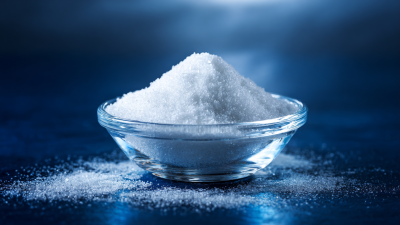
Cationic Polyacrylamide (CPAM) is recognized for its versatility across various industries due to its unique chemical properties and non-toxic nature. This white granule, a linear high molecular compound, is primarily soluble in water, making it an ideal choice for applications requiring easy integration into aqueous systems. Its positive charge active groups along the molecular chains facilitate enhanced interactions with negatively charged particles, which is particularly beneficial in fields such as water treatment, papermaking, and soil stabilization.

In water treatment, CPAM significantly improves the flocculation process, effectively aiding in the removal of suspended solids and contaminants. This results in cleaner effluent and contributes to environmental sustainability. Its effectiveness is further harnessed in the paper industry, where it acts as a retention aid and enhances dewatering processes, ultimately improving paper quality and reducing production costs. Beyond these applications, CPAM's moisture-absorbing capabilities make it valuable in agriculture, where it promotes soil structure and nutrient retention, ensuring healthier crop yields.

The broad applicability of Cationic Polyacrylamide extends into various other sectors, showcasing its importance in enhancing operational efficiency and product quality. Its water solubility coupled with non-toxic characteristics makes it an appealing choice across industries, fostering innovation and sustainability in practices ranging from manufacturing to agriculture. With ongoing research and development, the potential uses of CPAM continue to expand, solidifying its status as a key material in modern industrial applications.

FAQS

: What is the main purpose of this product?

: The product aims to simplify daily tasks for users. It focuses on convenience and efficiency.

How can I use this product effectively?

Follow the instructions provided with the product. Practice makes perfect in learning its features.

What should I do if I experience issues?

Refer to the troubleshooting guide. If problems persist, contact support for further assistance.

Are there any safety precautions to consider?

Yes, always read warnings before use. Ensure proper handling to avoid accidents.

Can it be used by children?

Adult supervision is recommended for children. They may need guidance to use it safely.

How do I clean the product?

Use a damp cloth for cleaning. Avoid harsh chemicals to maintain its condition.

Is the product durable?

It is designed for everyday use. However, rough handling may lead to damage.

What if I want to return the product?

Check the return policy for eligibility. Keep the original packaging for potential returns.

Are there alternatives available?

Yes, various similar products exist. Research to find one that suits your needs better.

Can I get a warranty?

Many products come with a limited warranty. Verify the specifics at the time of purchase.

Conclusion

Choosing the right Nalco Water Treatment Chemicals requires a thorough understanding of your specific water treatment needs. Start by assessing the quality of your water and identifying any industry-specific requirements that may affect chemical selection. It’s important to evaluate the different types of Nalco Water Treatment Chemicals available and compare their costs and benefits to ensure a suitable fit for your application.

Furthermore, compliance with safety standards is crucial, so reviewing these regulations helps in making informed decisions. Consulting with experts in the field can provide tailored solutions that align with both your operational goals and regulatory requirements, allowing for effective and efficient water treatment outcomes.

Liam

Liam

Liam is a dedicated marketing professional at Qingdao Oubo Chemical Co., Ltd., a company founded in 2011 that specializes in the production and supply of cationic polyacrylamide, anionic polyacrylamide, and nonionic polyacrylamide. With a profound expertise in the chemical industry, Liam plays a......
Previous Choosing the Right Manufacturer for Best High Molecular Weight Anionic Polyacrylamide with Industry Insights
WhatsApp Online Chat !