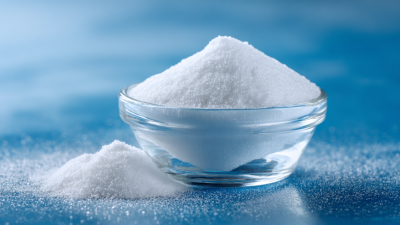
Figuring out the right Polyacrylamide price for your specific needs can actually be pretty important, especially if you're working in industries like water treatment, farming, or oil extraction. Since this stuff is so versatile and has a bunch of different uses, it's really helpful to get a good grasp of its market value. That way, you can save some money and make sure your project stays on track. The cost of polyacrylamide can vary quite a bit depending on things like how pure it is, whether you buy it as a powder or liquid, and current demand and supply chain factors.
In this little guide, we'll walk through the key stuff that can affect the price of polyacrylamide — and how all that lines up with what your project needs. By looking at market trends, different suppliers, and bulk discounts, you can make smarter choices that fit your budget without sacrificing the quality you need. Remember, it’s not just about the initial cost; thinking about the long-term value—like how well it works and a good price—really matters too.

Understanding Polyacrylamide and Its Applications
Polyacrylamide is a versatile polymer widely used in various industries due to its unique properties. It is primarily known for its application in water treatment, where it acts as a flocculant, helping to aggregate suspended particles for easier removal. This process enhances the quality of water by ensuring that impurities are effectively filtered out, making polyacrylamide an essential component in municipal and industrial wastewater treatment facilities.
Beyond water treatment, polyacrylamide plays a significant role in agriculture. It is utilized as a soil conditioner to improve water retention and reduce erosion. By enhancing soil structure and promoting moisture absorption, polyacrylamide contributes to better crop yields, particularly in arid regions.
Its use in the agricultural sector highlights its multifunctionality, as it helps to optimize plant growth while conserving valuable water resources. Additionally, polyacrylamide is employed in various other applications, including papermaking, oil recovery, and cosmetic formulations, showcasing its broad utility in both environmental and industrial contexts.
Factors Affecting Polyacrylamide Pricing
When considering the best polyacrylamide price for your specific needs, it's essential to understand the various factors that influence its pricing. First and foremost, the type of polyacrylamide—whether it's anionic, cationic, or non-ionic—can significantly affect the cost. Different formulations are designed for various applications, which can lead to price variations based on their effectiveness and intended use. Additionally, the purity and concentration of the product play a crucial role; higher purity and concentration typically come at a premium price.
Production methods also contribute to pricing differences. Polyacrylamide can be manufactured through several processes, and more sophisticated methods often result in better quality but higher costs. Moreover, the scale of production can impact prices, as bulk purchasing generally offers better deals compared to smaller quantities.
Tips: When shopping for polyacrylamide, consider comparing quotes from multiple suppliers to get a sense of the market rate. Don’t hesitate to inquire about bulk pricing, even if you are unsure about your future needs; many suppliers offer discounts for larger orders. Lastly, always assess the quality of the product against the price to ensure you are investing in the right solution for your application.
Comparing Different Grades of Polyacrylamide
When considering the best polyacrylamide price for your needs, it's crucial to understand the different grades available and how they may impact both cost and performance. Polyacrylamide is available in various forms, including anionic, cationic, and nonionic grades, each tailored for specific applications.
Anionic polyacrylamide is often used in water treatment and soil conditioners, providing excellent flocculation capabilities, while cationic types are primarily used in paper manufacturing and enhanced oil recovery. Understanding these distinctions is key to making an informed decision.
The price of polyacrylamide can vary significantly based on its grade, purity, and the supplier's pricing strategy. Generally, higher-grade polyacrylamide, which offers enhanced properties and greater efficacy, may come at a premium. However, if your application demands lower performance specifications, opting for a more economical grade can lead to substantial cost savings without compromising functionality. By evaluating the specific requirements of your project against the attributes of various polyacrylamide grades, you can determine the most suitable option that balances performance and cost-effectiveness.
How to Calculate Your Specific Polyacrylamide Needs
When it comes to calculating your specific polyacrylamide needs, it's essential to understand several factors that influence both quantity and price. First, consider the application of the polyacrylamide. Different formulations are designed for varied uses, including water treatment, soil conditioning, and oil recovery. According to the Global Polyacrylamide Market Report, demand in wastewater treatment alone is projected to grow at a CAGR of 6.2% from 2021 to 2028. Understanding your intended application will help you define the type and amount of polyacrylamide required.
Another key factor in determining your polyacrylamide needs is the scale of your operations. For smaller projects, a trial size may suffice, while larger enterprises may necessitate bulk purchasing to ensure cost efficiency. It is often reported that buying in larger quantities can result in a 10-20% reduction in cost per unit, making this an essential consideration for businesses planning extensive or ongoing applications.
**Tips:** Always conduct a thorough analysis of your project scope before making a purchase to avoid surplus or deficit. Additionally, consult technical sheets and safety data to align your polyacrylamide choice with specific performance characteristics needed for your projects. An accurate assessment of your requirements will not only streamline operations but also contribute to overall cost savings.
How to Determine the Best Polyacrylamide Price for Your Needs - How to Calculate Your Specific Polyacrylamide Needs
| Supplier |
Product Type |
Price per kg (USD) |
Purity (%) |
Minimum Order Quantity (kg) |
| Supplier A |
Anionic Polyacrylamide |
3.50 |
90 |
100 |
| Supplier B |
Cationic Polyacrylamide |
4.20 |
88 |
200 |
| Supplier C |
Nonionic Polyacrylamide |
3.75 |
92 |
150 |
| Supplier D |
Amphoteric Polyacrylamide |
4.50 |
87 |
50 |
Finding Reliable Suppliers for Polyacrylamide
When searching for reliable suppliers of polyacrylamide, it’s essential to conduct thorough research to ensure you are partnering with trusted manufacturers. Start by assessing suppliers based on industry reputation and customer reviews. Engaging with industry forums or professional networks can provide valuable insights into suppliers that have consistently delivered quality products and services.
Additionally, consider the supplier's production capacity and quality control measures. A reliable supplier should have established protocols to maintain product standards, such as certifications or compliance with international quality systems. It’s also prudent to request samples for testing before making large orders. This not only assures the quality of the polyacrylamide but also helps you confirm that the supplier meets your specific technical requirements. By focusing on these key areas, you can identify suppliers that align with your needs, ensuring that you obtain the best pricing without compromising on quality.
Evaluating Cost-Effectiveness of Polyacrylamide Options
When evaluating the cost-effectiveness of polyacrylamide options, it is essential to consider multiple factors that influence both price and performance. First, one should assess the application for which polyacrylamide is required, as different formulations serve various purposes, such as water treatment, soil stabilization, or agriculture. Understanding the specific requirements of your project will help narrow down the suitable types of polyacrylamide, enabling you to make informed comparisons of pricing based on functionality and efficiency.
In addition to application specifics, evaluating the purity and concentration of polyacrylamide is crucial. Higher purity levels often correlate with increased effectiveness in applications, but this can also lead to higher costs. Therefore, it is beneficial to conduct a cost-benefit analysis, weighing the potential performance gains against the price increments. Furthermore, bulk purchasing can sometimes yield cost savings, making it advantageous to collaborate with suppliers who offer competitive pricing for larger quantities. Ultimately, the best polyacrylamide price is one that balances both performance needs and budget constraints, thus ensuring optimal value for any given application.
Tips for Negotiating the Best Polyacrylamide Price
When it comes to procuring polyacrylamide, negotiating the best price is essential to ensure you get value for your investment. Understanding the market dynamics and leveraging effective negotiation tactics can significantly influence the final deal. To start, it's crucial to gather comprehensive information about the pricing norms in your industry. Research the various suppliers and compare their offerings, including product quality and service, which can provide leverage when discussing prices.
One effective tip for negotiating is to establish a budget range before entering discussions. This clarity helps you remain firm yet flexible. Emphasizing the potential for long-term relationships or bulk purchases can also incentivize suppliers to offer better rates. Don’t hesitate to ask for discounts, especially if you’re considering a larger order; suppliers are often willing to negotiate to secure a contract.
Additionally, timing can play a significant role in price negotiations. Try to initiate conversations at the beginning of the month or quarter when suppliers may be looking to meet their sales targets. It’s also advantageous to stay patient and be willing to walk away if the terms don’t meet your expectations, as this attitude can often lead suppliers to reconsider their offers. By applying these strategies, you can position yourself to achieve the most favorable polyacrylamide pricing for your needs.
Polyacrylamide Price Comparison
This chart represents the price per kilogram of polyacrylamide based on different grades. The data illustrates how prices fluctuate across standard, anionic, and cationic types, providing an insight into the market trends.
Exploring the Benefits and Applications of Cationic Polyacrylamide in Modern Industries
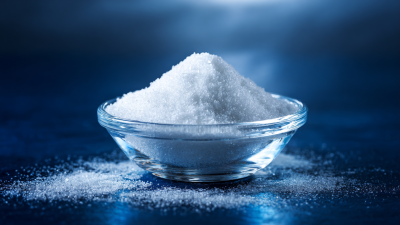
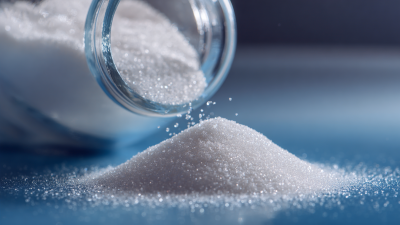
Cationic Polyacrylamide, a linear high molecular compound, is gaining considerable attention across various modern industries due to its remarkable properties and versatile applications. This non-toxic, odorless white granule is highly soluble in water, allowing for easy integration into a range of processes. Its ability to absorb moisture while remaining insoluble in organic solvents such as ethanol and acetone enhances its usability, particularly in aqueous environments.
One of the standout features of Cationic Polyacrylamide is its structure, which includes positive charge active groups on its molecular chains. This characteristic enables it to effectively interact with negatively charged particles, making it an ideal coagulant and flocculant in water treatment applications. Industries such as wastewater management utilize this compound to enhance sedimentation and improve the clarity of treated water. Additionally, it finds applications in soil conditioning, enhancing nutrient retention while promoting a healthier growing environment for crops.
Moreover, Cationic Polyacrylamide’s properties make it beneficial in the fields of paper manufacturing and textile processing, where it assists in improving product quality and processing efficiency. By facilitating the binding of fibers and enhancing dye uptake, it plays a crucial role in optimizing production processes. Overall, the versatility and effectiveness of Cationic Polyacrylamide position it as a valuable asset in numerous industrial applications.
FAQS
: Polyacrylamide is primarily used in water treatment as a flocculant to aggregate suspended particles, enhancing water quality by aiding in the removal of impurities.
In agriculture, polyacrylamide serves as a soil conditioner, improving water retention, reducing erosion, and promoting better crop yields, especially in arid regions.
Key factors include the specific application of polyacrylamide, the scale of operations, and the potential for cost savings through bulk purchasing.
Conducting a thorough analysis of your project scope and consulting technical sheets can help align your polyacrylamide choice with specific project performance requirements.
Assess suppliers based on their industry reputation, customer reviews, production capacity, quality control measures, and request samples for testing before placing large orders.
Researching suppliers is crucial to partner with trusted manufacturers, ensuring quality products, competitive pricing, and compliance with established standards.
Conclusion
In the pursuit of determining the best Polyacrylamide price for your needs, it's essential to first understand what Polyacrylamide is and its various applications across industries. Various factors influence the pricing, including the grade of Polyacrylamide and its specific purpose in applications such as wastewater treatment or soil enhancement.
Comparing different grades is crucial, as higher quality may come at a premium, but could also offer better effectiveness. Accurately calculating your specific needs, alongside evaluating the reliability of suppliers, will help in sourcing cost-effective options. Finally, strategically negotiating prices can lead to better deals, ensuring that you obtain the best Polyacrylamide price without compromising on quality.