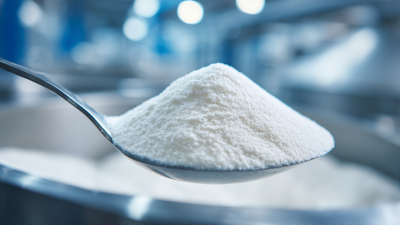
When you're dealing with bulk orders of water treatment coagulants, really getting a handle on Water Treatment Coagulant Price is pretty important. I mean, companies in this field have to juggle a lot of different factors when it comes to pricing. Prices can swing quite a bit, depending on things like what type of coagulant you're after, how much you're ordering, and even where your supplier is located.
For example, ferric sulfate and aluminum sulfate are both common coagulants, but their prices don’t always match up. A trusted supplier like Kemira or BASF usually provides detailed quotes tailored to your needs. Still, those prices can sometimes lag behind what’s actually happening in the market. So, it pays to shop around and compare offers from different suppliers. If you see transparent pricing, that's often a good sign they’re reliable.
Plus, market ups and downs can really shake things up. Changes in raw material costs or demand cycles can cause prices to jump unexpectedly. Staying aware of these trends helps you make smarter decisions. Also, knowing your own needs—like how much you typically use—can give you an edge when it comes to negotiating better deals. At the end of the day, figuring out the right price for water treatment coagulants isn’t just about numbers; it’s about being strategic and careful with your planning.
When determining water treatment coagulant prices for bulk orders, several factors come into play. One key factor is the type of coagulant used. Different materials, such as aluminum sulfate or ferric chloride, exhibit varying costs. The sourcing of raw materials also influences prices. Fluctuations in supply chains can lead to increased costs.
Another important aspect is the quantity ordered. Larger bulk orders often qualify for discounts due to economies of scale. However, some suppliers may have minimum order requirements, which can affect pricing. Additionally, shipping costs can vary significantly based on location and delivery timelines. These logistical considerations are crucial when calculating the final price.
Quality is paramount in water treatment. A cheaper coagulant may not provide the desired effectiveness. This can lead to subpar water treatment results, prompting potential regret down the road. Effective coagulants must align with specific treatment needs. Thus, weighing cost against quality can be challenging yet necessary for making informed decisions. Always consider supplier reputation and past performance, as reliability in delivery and product quality are essential in building trust.
When selecting coagulants for water treatment, understanding the types and their pricing structures is vital. Coagulants are essential in removing impurities from water. Common types include aluminum sulfate, ferric chloride, and polymeric coagulants. Each type has distinct advantages and potential drawbacks depending on the application.
Pricing can vary widely based on factors like purity, sourcing, and packaging. Aluminum sulfate is often cost-effective for large orders but may require additional treatment steps. Ferric chloride can be more expensive but is effective in a wider pH range. In contrast, polymeric coagulants offer flexibility and efficiency, yet their prices often reflect their advanced formulation.
Sourcing these products requires careful examination of vendors. Bulk orders usually come with discounts, but be cautious. Not all suppliers guarantee consistent quality. Factors like storage conditions and transportation can impact product efficacy. Understanding these elements can prevent costly mistakes in treatment processes. This complexity underlines the importance of thorough research and reliable partnerships in procurement.
| Type of Coagulant | Common Applications | Estimated Price per Ton ($) | Bulk Order Discounts (%) |
|---|---|---|---|
| Aluminum Sulfate | Drinking Water, Wastewater Treatment | 250 | 5 |
| Polymeric Coagulants | Industrial Wastewater, Paper Industry | 300 | 10 |
| Ferric Chloride | Sewage Treatment, Water Purification | 220 | 7 |
| Ferric Sulfate | Drinking Water, Industrial Processes | 240 | 8 |
| Calcium Carbonate | Drinking Water, Odor Control | 150 | 5 |
The demand for water treatment chemicals has been steadily increasing. According to a report by MarketsandMarkets, the global water treatment chemicals market is projected to reach $45.6 billion by 2025. This rising trend reflects growing concerns about water quality and environmental sustainability. As populations expand, the need for effective water treatment solutions becomes critical.
One key factor driving this demand is regulatory changes. Governments worldwide are implementing stricter water quality standards. This regulatory pressure creates a substantial market for coagulants and other treatment chemicals. Industries, municipalities, and service providers must adapt to these evolving regulations. Companies are also focusing on improving their treatment processes, often leading to higher bulk orders of coagulants.
Additionally, fluctuations in raw material prices can significantly affect coagulant pricing. As availability changes, price stability is not guaranteed. Evaluating suppliers based on reliability and quality becomes crucial. Understanding market trends, competitor pricing, and demand analysis is essential for making informed bulk order decisions. Many companies find themselves grappling with unexpected cost increases, which can disrupt budgeting and procurement strategies.
When analyzing water treatment coagulant prices for bulk orders, various costs come into play. Production costs typically cover raw materials, labor, and equipment maintenance. Understanding these elements is crucial as they significantly impact the final price. For instance, fluctuations in raw material prices can lead to unexpected changes in overall production costs. Regular communication with suppliers is essential for this reason.
Transportation costs represent another critical factor in pricing. Distance to the facility, freight rates, and logistics planning can add significant expenses. These costs can vary widely based on sourcing locations and delivery methods. It's essential to evaluate multiple transportation options. Sometimes, more expensive methods can save time and reduce damage risks, impacting overall costs in the long run.
Storage costs cannot be overlooked either. The right storage conditions are vital for coagulants, ensuring their efficacy is maintained. Regular assessments of storage facilities and conditions can prevent waste and enhance reliability in supply. Taking a closer look at these factors can help businesses make informed decisions. Evaluating all these components will lead to better understanding and potentially lower costs in purchasing coagulants.
When evaluating supplier quotes for water treatment coagulants, several key considerations come into play. Consider the price per unit and volume discounts offered for bulk orders. Often, suppliers provide different pricing tiers based on order quantities. Understanding these can lead to significant savings. A clear breakdown of costs is essential for transparent comparisons.
Next, analyze the quality of the coagulants. Low prices may indicate inferior products, which can lead to inefficient water treatment. Request certifications or test results from suppliers to verify quality standards. Additionally, consider the supplier's reliability and delivery timelines. A low quote means little if the product arrives late or is subpar.
Be mindful of hidden fees, such as shipping or handling charges. Suppliers sometimes lure customers with low quotes but add costs later. It's also beneficial to maintain a list of questions that reflect your unique needs. This helps ensure that no detail is overlooked during negotiations. Take the time to communicate your requirements clearly. Reflecting on these aspects can lead to well-informed decisions for bulk orders.
When considering bulk orders for water treatment coagulants, strategic purchasing is vital. One effective approach is to analyze market trends. Research shows that prices fluctuate based on demand. Understanding these cycles can help secure better deals. Bulk purchases often come with discounts, but not all suppliers offer the same terms. Engaging multiple suppliers is essential to compare offers and negotiate prices.
Logistics also play a significant role in optimizing costs. Shipping fees can impact overall pricing. It’s crucial to calculate the total cost of delivery before placing an order. In some cases, local suppliers may reduce shipping costs. However, sourcing from distant suppliers could lead to better product quality or pricing advantages. Assessing these factors can take time, but it is necessary for informed decisions.
Consider aligning your orders with seasonal promotions. Many suppliers might offer lower prices during specific times of the year. Flexibility in order size can also be beneficial. Smaller, more frequent orders can be more manageable than one large bulk purchase. Still, this approach requires careful planning to ensure consistent supply. Balancing these considerations may be challenging but ultimately leads to better financial and operational outcomes.
When it comes to procuring water treatment coagulants, organizations often face a crucial decision: long-term contracts versus spot buying. Each approach has its own pros and cons. Long-term contracts can provide stability and predictable pricing. This is vital for budget management. However, locking in prices for an extended period may expose buyers to market fluctuations. If prices drop, companies might find themselves paying more than necessary.
On the other hand, spot buying allows for flexibility. It lets organizations purchase coagulants as needed, taking advantage of lower prices when they arise. Yet, this approach carries risks. Spot markets can be volatile, and securing a deal at the right moment requires prompt decision-making. Furthermore, inconsistent supply could disrupt operations, leading to potential losses.
A balanced strategy might blend both methods. For stable supply needs, consider long-term contracts. For urgent or fluctuating requirements, lean towards spot buying. This hybrid approach can mitigate risks while maintaining financial prudence. However, it requires continuous market research and analysis to execute effectively. Each organization's needs will dictate the best path forward.
Cationic Polyacrylamide (CPAM) is gaining significant traction in various industrial applications due to its unique properties and advantages. As a white granule, this linear high molecular compound exhibits excellent solubility in water while remaining non-toxic and odorless. Its ability to absorb moisture effectively makes it a valuable component in fields such as water treatment, papermaking, and soil stabilization. The positive charge active groups present in its molecular chains enhance its effectiveness as a flocculant, promoting the aggregation of suspended particles, which is particularly beneficial in wastewater management.
Recent global industry reports indicate a growing market trend towards the use of Cationic Polyacrylamide, largely driven by increasing environmental regulations and a push for more sustainable practices in various sectors. Its applications are not confined to water treatment; CPAM is also utilized in agriculture to improve soil structure and enhance water retention, as well as in construction for soil stabilization and cement grouting. The versatility and efficiency of Cationic Polyacrylamide are transforming industrial processes, highlighting its potential for widespread adoption across multiple sectors in the coming years.
: Coagulants help remove impurities from water during treatment processes.
Common types include aluminum sulfate, ferric chloride, and polymeric coagulants.
Pricing can vary based on purity, sourcing, packaging, and order size.
It's usually cheaper for large orders, but may need extra treatment steps.
It’s important to examine vendors and ensure consistent product quality.
Stricter water quality standards increase the demand for coagulants and treatment chemicals.
Fluctuations in raw material availability can lead to unpredictable price changes.
Poor quality from suppliers can result in costly mistakes in treatment processes.
Bulk orders can offer discounts, but reliability of quality is essential.
Understanding market trends and competitor pricing can help in budgeting.
Determining the Water Treatment Coagulant Price for bulk orders involves understanding various influencing factors, including types of coagulants and their specific pricing structures. The market demand for water treatment chemicals plays a significant role in setting these prices, and a thorough cost analysis that includes production, transportation, and storage is essential for making informed purchasing decisions.
When evaluating supplier quotes, key considerations such as quality, reliability, and delivery timelines should not be overlooked. Additionally, adopting bulk purchasing strategies can help optimize costs, with options like long-term contracts providing price stability compared to spot buying, which may offer lower prices but comes with higher risks. Ultimately, a comprehensive approach to procurement will ensure that organizations secure the best possible Water Treatment Coagulant Price while meeting their operational needs.