0%

When it comes to water treatment, using Anion Polyacrylamide (APAM) effectively is really key to boosting coagulation and flocculation, which ultimately leads to better water clarity and quality. Here at QINGDAO OUBO CHEMICAL CO., LTD, we’ve been around since 2011, and we’re all about providing top-notch polyacrylamide products — whether cationic, anionic, or nonionic — all tailored to fit a variety of industrial needs. Now, the anionic kind, like APAM, is especially important because of its strong negative charge, making it a real game-changer in different water treatment setups — from city waste management to industrial waste processing.

How to Effectively Use Anion Polyacrylamide in Water Treatment Applications

Understanding the main features of APAM and knowing how to apply it properly can really help companies optimize their water treatment processes. This means better efficiency and sticking to environmental standards. In this guide, I’ll share some practical tips and essential insights to help you make the most out of Anion Polyacrylamide in your water treatment projects. Hopefully, you'll find it useful for getting the best results possible.

Understanding Anion Polyacrylamide: Properties and Benefits for Water Treatment

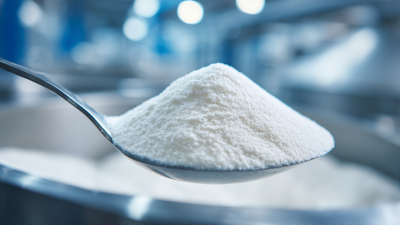
So, anion polyacrylamide, or APAM for short, is this synthetic polymer that's pretty much a staple in water treatment these days. The reason it gets so much attention is because of its special properties that boost how well these systems work. One of the coolest things about APAM is that it acts like a magnet for pollutants—causing particles to clump together (you know, flocculate), which makes them settle out faster and makes the water clearer. Since it's anionic, it interacts really well with positively charged particles, helping to remove stuff like suspended solids, organic matter, and even heavy metals from wastewater.

But it’s not just about flocculation. APAM also helps improve filtration efficiency and cuts down on the amount of chemicals needed. Using this polymer means treatment plants can produce cleaner water while keeping costs down. Plus, it’s pretty versatile—whether it’s industrial waste, city sewage, or runoff from farms, APAM can handle it. All in all, it's a pretty handy tool that not only makes water cleaner but also supports environmental efforts by making water recycling and reuse easier and more sustainable.

How to Effectively Use Anion Polyacrylamide in Water Treatment Applications

Property Description Benefit in Water Treatment
Charge Density Negative charges on the polymer chains Enhances coagulation and flocculation of positively charged impurities.
Molecular Weight Ranges from low to high molecular weights Higher molecular weight improves viscosity and adsorption capacity.
Solubility Highly soluble in water Facilitates easy mixing and application in water treatment processes.
Temperature Range Effective between 5°C and 50°C Versatile usage in various climatic conditions without significant loss of efficiency.
Applications Used in sludge dewatering, sedimentation, and wastewater treatment Improves the efficiency and effectiveness of water treatment processes.

Key Applications of Anion Polyacrylamide in Various Water Treatment Processes

So, have you heard about anion polyacrylamide, or APAM for short? It's really catching on in the water treatment world these days, mainly because it actually works well across different processes. One of the main uses is in making drinking water clearer—by helping to get rid of those pesky suspended particles and speeding up how fast they settle out. Crazy thing is, the global market for water treatment chemicals is expected to jump from around $39.8 billion in 2025 up to about $61.5 billion by 2032—that’s a solid 6.3% annual growth rate! It just shows how much people are looking for better, more effective solutions, and chemicals like APAM are definitely playing a big role in that shift.

And it doesn’t stop there. In wastewater treatment, APAM is super useful for dewatering and thickening sludge. Its knack for helping particles clump together makes it pretty much a must-have for municipalities trying to handle increasing wastewater volumes. Market projections are also pretty eye-opening—total water and wastewater treatment industry is forecasted to grow from roughly $346 billion in 2024 to over $617 billion by 2032, growing at about 7.5% per year. With numbers like that, it’s clear that using APAM wisely can really boost efficiency and save the treatment plants a good chunk of change.

My tip? If you're planning to use APAM, don’t forget to do some jar tests first. It’s all about dialing in the right dose for your specific water conditions. And keep an eye on the water quality during the process—this way, you can tweak things as needed to get the best results. Trust me, a little bit of monitoring can go a long way in making sure everything runs smoothly.

Best Practices for Preparing Anion Polyacrylamide Solutions for Optimal Performance

If you're trying to prepare an anion polyacrylamide (APAM) solution for water treatment, there are a few best practices that can really help get the most out of it. First off, choosing the right concentration is key. Usually, you'd want to aim for somewhere between 0.1% and 1% by weight, depending on what you're treating. Going too low might not give you enough flocculation power, but going too high can make mixing a pain and difficult to handle. Once you’ve figured out the right concentration, ditch the idea of just dumping it in all at once. Instead, add the granules slowly into water, stirring gently to avoid clumps. Using a paddle or turbine mixer can make a big difference, helping the polymer stay evenly spread out. Also, it’s smart to add the polymer gradually into your water treatment process—this allows it to better interact with the contaminants. Keep an eye on the solution’s viscosity; if needed, tweak the formulation to keep things optimal. Stick to these tips, and you’ll find that APAM works way better in your water treatment projects—trust me, it makes a difference!

Effectiveness of Anion Polyacrylamide in Water Treatment

This chart illustrates the effectiveness of Anion Polyacrylamide (APAM) in various water treatment applications. The data shows the percentage reduction in turbidity achieved with different concentrations of APAM solutions.

Guidelines for Safe Handling and Storage of Anion Polyacrylamide in Water Treatment

When you're working with anion polyacrylamide (APAM) in water treatment, safety really needs to come first. Honestly, the best place to start is by checking out the material safety data sheet (MSDS) for APAM — it’s got all the potential hazards and the safety tips you should know. Also, don’t forget to wear proper personal protective gear like gloves, goggles, and masks. It might seem overkill, but it’s crucial to avoid skin contact or breathing in any of the powders, especially when you're mixing or dissolving the polymer.

How to Effectively Use Anion Polyacrylamide in Water Treatment Applications

Storage is another big deal. You want to keep APAM somewhere cool and dry, away from sunlight and heat sources — heat can mess with the polymer’s quality. Make sure the containers are sealed tight so moisture doesn’t sneak in and ruin the product. It's also a good idea to label everything clearly — write down the product name and the date you received it — that way, you keep your inventory organized and avoid mix-ups with other chemicals. And don’t forget to check on your storage conditions regularly and make sure the containers are still in good shape — staying on top of these things keeps everything safe and hassle-free.

Monitoring and Evaluating the Effectiveness of Anion Polyacrylamide in Treatment Systems

Keeping an eye on how well anion polyacrylamide (APAM) works in water treatment systems is pretty important if we want everything to run smoothly and efficiently. So, a good starting point is to establish some baseline water quality numbers before you even add the polymer. Things like turbidity, total suspended solids (TSS), and chemical oxygen demand (COD) should be measured regularly—think of them as your water's starting point, so you know what’s changing.

How to Effectively Use Anion Polyacrylamide in Water Treatment Applications
But it’s not just about the initial numbers. You’ve got to keep monitoring things as treatment goes on. Using tools like inline sensors or just grabbing water samples now and then can really help see how APAM is doing in real time. Pay attention to stuff like floc size and how long it takes for stuff to settle—that gives you a pretty good idea of how effective the polymer is at helping particles stick together and making filtration easier. Plus, gathering this data all the time means you can tweak the APAM dosage if needed. That way, your treatment system stays responsive to what’s actually happening in the water, keeping everything running at its best.

FAQS

: What is the first step in handling anion polyacrylamide (

PAM) safely?

What personal protective equipment (PPE) is recommended when handling APAM?

It is essential to wear gloves, goggles, and masks to prevent skin and respiratory exposure.

How should APAM be stored to ensure its safety and effectiveness?

APAM should be stored in a cool, dry environment away from sunlight and heat sources, with containers sealed tightly to prevent moisture ingress.

Why is it important to label containers of APAM?

Labeling containers clearly with the product name and date of receipt helps ensure proper inventory management and prevents cross-contamination with other chemicals.

What baseline parameters should be established before using APAM in water treatment?

Key metrics such as turbidity, total suspended solids (TSS), and chemical oxygen demand (COD) should be measured prior to treatment.

What monitoring techniques can be used during the treatment process with APAM?

Techniques such as inline sensors or grab sampling can help track the immediate effects of APAM on water clarity and sedimentation rates.

How does ongoing monitoring contribute to the effectiveness of APAM in treatment systems?

Continuous data collection allows for adjustments to the dosage of APAM, ensuring that treatment systems remain responsive to varying water conditions.

What performance metrics should be evaluated to gauge the effectiveness of APAM?

Parameters such as floc size and settling time can offer insights into the polymer's efficacy in binding particles and enhancing filtration.

Conclusion

Anion Polyacrylamide is such a handy polymer, especially when it comes to water treatment. It’s got these unique qualities—like a pretty high molecular weight and really good flocculation abilities—that make a real difference. If you get a good handle on how it benefits your process, you can use it effectively in all sorts of ways—like clearing up wastewater, dewatering sludge, or separating oil and water. The trick is to mix and prepare it just right, following best practices to get the most out of it, all while staying safe during handling and storage.

To really get the best results, it's important to keep an eye on how well it’s working in your system. Regular checks and tweaks—like adjusting the dosage—can make a big difference in making your water treatment more efficient. Over here at Qingdao Oubo Chemical Co., Ltd., we’ve been around since 2011, and we’re big on providing top-quality Anion Polyacrylamide, along with other polyacrylamides too. Our goal? Helping you achieve the best possible water treatment outcomes without the hassle.

Liam

Liam

Liam is a dedicated marketing professional at Qingdao Oubo Chemical Co., Ltd., a company founded in 2011 that specializes in the production and supply of cationic polyacrylamide, anionic polyacrylamide, and nonionic polyacrylamide. With a profound expertise in the chemical industry, Liam plays a......
Previous Choosing the Right Manufacturer for Best High Molecular Weight Anionic Polyacrylamide with Industry Insights
WhatsApp Online Chat !