Lately, there's been quite a buzz around Polyacrylamide Pam in the water treatment world. You know, as industries look for smarter and greener ways to handle wastewater, this stuff really stands out because it boosts how well processes like flocculation, sedimentation, and clarification work. I once read a quote from Dr. Emily Thompson—she’s pretty much a whiz in polymer tech and water purification—that said, "The versatility of Polyacrylamide Pam in different water treatment applications is honestly pretty amazing, offering both efficiency and sustainability." Makes sense, right?
Using Polyacrylamide Pam doesn’t just make treatment more effective; it also helps facilities hit those really tough regulations for wastewater discharge. By fine-tuning coagulation and making it easier to separate solids from liquids, it plays a key role in producing cleaner, higher-quality water. Plus, it can help cut down operational costs and support the sustainability goals many companies are chasing. As we look ahead, understanding the best ways to use this powerful compound is gonna be super important for folks in the industry.
All in all, with water scarcity and quality issues only getting more intense, the role of Polyacrylamide Pam in water treatment is only going to grow and evolve. The key? Emphasize innovation and responsible use. Industry leaders really need to team up, explore new techniques, and make the most of what Polyacrylamide Pam has to offer. It’s an exciting future, for sure!
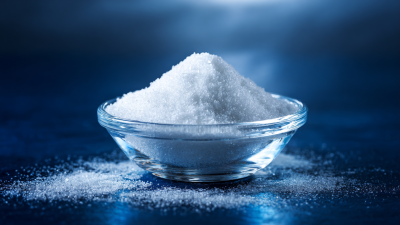
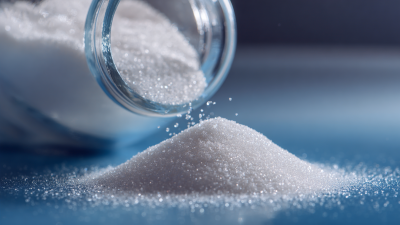
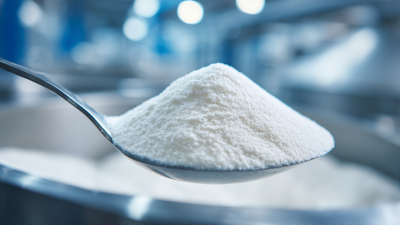
Polyacrylamide (PAM) is a synthetic polymer widely utilized in water treatment processes due to its exceptional flocculating properties. According to a report by the Global Water Treatment Chemicals Market, the use of PAM is projected to grow significantly in the coming years, driven by increasing demand for clean water and the need for efficient wastewater management. PAM improves the sedimentation and filtration processes by promoting the aggregation of suspended particles, thus enhancing overall water quality. The versatility of PAM allows it to be used in various applications, including municipal water treatment, industrial wastewater treatment, and even in oil recovery processes.
To effectively utilize PAM in water treatment, it is crucial to follow specific guidelines. One key tip is to ensure the correct dosage; over-application can lead to ineffective treatment or negative environmental impacts. Monitoring water quality before and after the addition of PAM can provide valuable data to optimize its usage. Additionally, it is important to consider the molecular weight of PAM, as higher molecular weights typically result in stronger flocculation, but they may also require more careful handling and mixing.
Another important aspect is the compatibility of PAM with other chemicals used in the treatment process. Conducting jar tests can provide insights into how PAM interacts with different water matrices, which can enhance the efficiency of the treatment process. Utilizing PAM strategically not only improves the effectiveness of water treatment but also contributes to sustainable practices by minimizing sludge production and enhancing resource recovery.
Polyacrylamide (PAM) is a versatile polymer widely used in water treatment processes, with various types tailored for specific applications. The two main categories of PAM are anionic and cationic polyacrylamide. Anionic PAM is particularly effective in flocculating suspended particles in wastewater treatment, as it carries a negative charge that attracts positively charged impurities. This type is commonly employed in municipal sewage treatment and industrial effluent management, helping to significantly reduce turbidity and improve water quality before discharge or reuse.
On the other hand, cationic polyacrylamide is favored for its ability to enhance the settling of fine particles and dewater sludge efficiently. Its positive charge effectively binds with negatively charged particles, facilitating rapid aggregation and sedimentation. This makes cationic PAM ideal for applications in paper manufacturing and the textile industry, where the removal of colloidal solids is critical. Additionally, non-ionic PAM, which has no charge, can also be utilized for improving soil moisture retention in irrigation systems and as a flocculant in specific water treatment processes, showcasing the flexibility of polyacrylamide in addressing diverse water purification challenges.
Polyacrylamide (PAM) plays a critical role in enhancing water treatment processes through its unique mechanisms of action. At the core of its function is the ability to agglomerate suspended particles, which significantly reduces turbidity in water. When PAM is introduced into a treatment system, its long-chain polymer structure interacts with particles, creating a flocculation effect. This process allows for larger aggregates to form, making it easier for these particles to be separated from the water column during sedimentation or filtration. As a result, the overall quality of treated water is improved, leading to a more efficient water purification process.
Additionally, PAM's role extends beyond mere particle agglomeration; it also aids in the removal of organic and inorganic contaminants. The polymer exhibits a high affinity for certain molecules, allowing it to bind with impurities and facilitate their removal. This interaction not only enhances the efficiency of chemical treatment methods but also reduces the need for excessive coagulants, contributing to a more sustainable approach in water treatment. Moreover, PAM can improve the clarity of treated water, which is essential for meeting regulatory standards and ensuring safety for end users. Through these mechanisms, PAM significantly contributes to the effectiveness and efficiency of modern water treatment processes.
When integrating polyacrylamide (PAM) into various water treatment systems, it’s vital to consider the specific characteristics of the water you are treating. PAM is effective in enhancing flocculation, reducing turbidity, and enhancing sedimentation processes. For municipal wastewater systems, it is essential to conduct jar tests to determine the optimal PAM dosage, ensuring that the floc formed is sufficient for effective solids separation. This testing will help understand the interaction between PAM and the specific contaminants present in the wastewater.
**Tips:** Always prepare a range of PAM concentrations during jar testing to identify the most effective dosage. Documenting the performance of PAM in different conditions will assist in achieving consistent results across treatment cycles.
In industrial applications, where varied chemical compositions and pollutants are common, using PAM in conjunction with other treatment methods can yield better results. For instance, PAM can be combined with coagulants to enhance the removal of suspended solids. It is critical to monitor the chemical reactions continuously to adjust PAM dosing in real time, optimizing the overall treatment efficiency.
**Tips:** Regularly conduct effluent quality tests to assess the effectiveness of PAM integration and make necessary adjustments. Keeping a close eye on the sedimentation rates will ensure that your system operates at peak performance.
When utilizing polyacrylamide (PAM) in water treatment processes, it is crucial to consider both safety implications and environmental impacts. PAM is widely used as a flocculant to improve water clarity by agglomerating suspended particles. However, safety measures must be adhered to, as handling PAM can present risks such as skin irritation or respiratory issues if not managed correctly. Always use PPE and ensure proper ventilation when working with PAM to minimize exposure.
In terms of environmental impact, while PAM can significantly enhance the efficiency of water treatment, its biodegradability varies. The potential for PAM to enter aquatic ecosystems raises concerns over toxicity to aquatic life. It is essential to monitor concentrations of PAM in treated effluents and to implement effective methods for its removal when necessary. Proper disposal methods should also be developed to prevent accumulation in the environment.
Tips for safe usage include conducting regular training for personnel on handling procedures and emergency protocols. Additionally, conducting environmental assessments prior to the implementation of PAM in water treatment processes can help gauge potential impacts and establish management plans. Always explore alternatives to PAM when possible, and consider using formulations that are designed to be more environmentally friendly.
Polyacrylamide (PAM) has emerged as a versatile flocculating agent in various water treatment processes, proving particularly effective in scenarios with fluctuating water quality. Its polymeric structure enables it to interact with suspended particles and colloids, facilitating their aggregation and subsequent removal from water systems. Evaluating PAM's effectiveness involves assessing factors such as ionic charge density, molecular weight, and the specific composition of wastewater. For instance, in heavily turbid water conditions, PAM can significantly reduce turbidity levels when applied at optimal dosages, thus enhancing the clarity and quality of the treated water.
Moreover, PAM's performance is context-dependent. In agricultural runoff scenarios, where sedimentation rates are critical, PAM can aid in binding fine particles, preventing nutrient-rich soil from entering water bodies. Conversely, in industrial wastewater treatment, the efficiency of PAM may vary based on the concentration of dissolved organic matter and heavy metals present. Tailoring the application of PAM to these specific water quality parameters not only ensures compliance with environmental standards but also promotes sustainable water management practices. Adapting dosage and application methods according to the specific treatment goals remains essential for maximizing PAM's flocculation potential across diverse water quality scenarios.
The utilization of polyacrylamide (PAM) in water treatment processes has been evolving, with future trends focusing on enhanced efficiency and sustainability. Innovations in formulation and application methods are expected to improve the effectiveness of PAM as a flocculant and coagulating agent in various water treatment scenarios. One significant trend is the development of bio-based PAM alternatives, which aim to mitigate environmental concerns associated with synthetic polymers. These alternatives not only reduce the carbon footprint but also enhance biodegradability, making them more compatible with natural ecosystems.
Additionally, smart technologies are likely to play a crucial role in the application of PAM in water treatment. The integration of real-time monitoring systems and data analytics can optimize dosage levels and application methods, ensuring maximum efficiency while minimizing waste. Automation and machine learning algorithms can analyze water quality parameters continuously, allowing for adaptive management of PAM use that responds dynamically to changing conditions. These advancements will not only enhance water treatment efficacy but also promote a more sustainable approach to resource management, reinforcing the importance of innovation in the field for addressing future water challenges.
| Parameter | Current Use | Future Trends | Innovations |
|---|---|---|---|
| Dosage Optimization | Manual calculation based on water type | Automated dosing systems | AI algorithms for real-time adjustment |
| Application Method | Batch processing | Continuous flow systems | Smart sensors for monitoring |
| Environmental Impact | Traditional PAM with concerns | Biodegradable alternatives | Eco-friendly formulations |
| Cost Efficiency | Variable costs based on application | Lower costs through process optimization | Recycling and reuse of PAM |
| Regulatory Compliance | Standard regulations apply | Stricter regulations on toxicity | Innovative monitoring technologies |
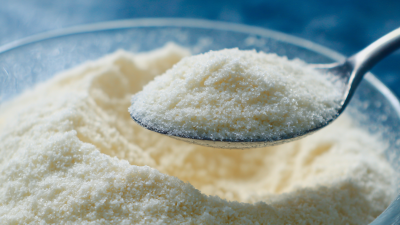
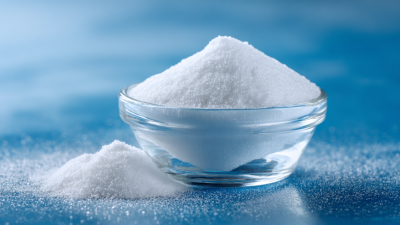
Cationic Polyacrylamide (CPAM) is increasingly recognized for its innovative applications and benefits across various modern industries. This white granule is a linear high molecular compound notable for its water solubility and non-toxic, odorless characteristics. Its unique molecular structure features positively charged active groups, allowing it to interact effectively with negatively charged particles in various processes. This property makes CPAM particularly valuable in sectors such as water treatment, where it can enhance flocculation, helping to remove impurities and clarify water quickly and efficiently.
In addition to water treatment, Cationic Polyacrylamide is gaining traction in the textile and paper industries. Its ability to improve retention and drainage in the papermaking process contributes to higher quality products while reducing waste and energy consumption. Moreover, in textile processing, it serves as a sizing agent to ensure better fabric quality and strength. Its versatility extends to construction, where it is utilized in soil stabilization and cement mixing, demonstrating a wide scope of functionality that addresses specific industrial challenges effectively.
M) and its primary use in water treatment?
The demand for PAM is projected to grow due to the increasing need for clean water and efficient wastewater management across various sectors.
To ensure effective treatment, it's crucial to use the correct dosage, monitor water quality before and after application, and consider the molecular weight of PAM, as higher molecular weights typically enhance flocculation.
Compatibility with other chemicals is important; conducting jar tests can help understand how PAM interacts with different water matrices, thereby enhancing the overall treatment efficiency.
Recent trends include the development of bio-based PAM alternatives that reduce environmental impact and enhance biodegradability, along with smart technologies for real-time monitoring and optimized application.
Technology can improve PAM application through real-time monitoring systems and data analytics that optimize dosage and application methods, leading to enhanced efficiency and reduced waste.
The use of PAM can contribute to sustainable practices by minimizing sludge production and enhancing resource recovery, thus promoting a more efficient approach to water management.
Innovations are expected to focus on enhanced formulation methods, development of environmentally-friendly alternatives, and increased automation and machine learning for adaptive management in PAM applications.
Higher molecular weights generally result in stronger flocculation capabilities, but they may require more careful handling and appropriate mixing techniques during application.
Ongoing monitoring after PAM application provides valuable data that can help optimize its usage, ensuring effective treatment and minimizing potential negative environmental impacts.
This article explores the effective use of Polyacrylamide Pam in water treatment processes, highlighting its various applications and benefits. Polyacrylamide Pam comes in different types, each playing a specific role in enhancing water purification. The mechanisms through which PAM improves treatment efficiency, such as flocculation and sedimentation, are discussed, alongside best practices for its integration into diverse water treatment systems.
Safety considerations and the environmental impact of Polyacrylamide Pam are also addressed, emphasizing the need for responsible usage. Additionally, the article evaluates PAM's effectiveness in various water quality scenarios, providing insights into its versatility. Looking ahead, it considers future trends and innovations in PAM utilization, underscoring its growing significance in advancing water treatment technologies.


Paul Zhou:8613356391894 Eric Wong:8615963245439Emily Wu:8617866856171