As we look towards building a more sustainable future, there's no denying just how crucial advancements in wastewater treatment technologies really are. I mean, according to the Global Water Intelligence report, the worldwide market for treating wastewater is expected to hit around $130 billion by 2025. That’s pretty huge, and it shows how much effort is going into finding smarter, more efficient ways to manage resources and protect our environment. Things like membrane bioreactors, advanced oxidation methods, and even digital tech are leading the charge in this whole transformation. Companies like Qingdao Oubo Chemical Co., Ltd., which started back in 2011, are playing a vital part here—focusing on cationic, anionic, and nonionic polyacrylamides that are key ingredients in many wastewater treatment processes. By staying on top of these innovations and using the right chemical solutions, we can help make a cleaner, greener world for everyone.
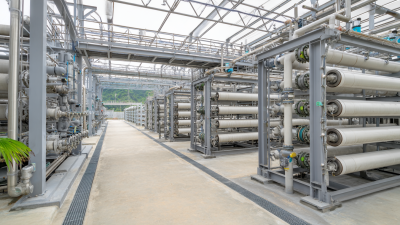
The progress of membrane bioreactor (MBR) tech is really a game-changer when it comes to wastewater treatment. It’s like mixing biological treatment with membrane filtration in one smart package. Basically, MBR systems do a great job of sorting out solids from liquids, giving us clean, high-quality effluent that easily meets strict environmental standards. These innovations are totally essential, especially now when urban and industrial growth are pushing up the demand for fresh water. Plus, since MBR units are pretty compact, they’re perfect for places where space is limited — no need to sacrifice a lot of room.
Lately, there’s been some cool breakthroughs in membrane materials and designs that make MBRs work even better. For example, the new ultrafiltration membranes are way more resistant to fouling, so they last longer and cut down on maintenance hassle. On top of that, adding advanced control systems with real-time monitoring really helps keep everything running smoothly and can even save energy. As these techs keep improving, we’re looking at more efficient wastewater treatments and a big step forward in managing our water resources sustainably — which is such a big deal given all the environmental concerns these days.
You know, as water resources get scarcer and demand rises, wastewater treatment tech is advancing super quickly. Things like AI and IoT are really shaking things up in the industry. I’ve read that using IoT solutions can slash operational costs by up to 30% and make treatment processes way more efficient. With IoT devices monitoring everything in real-time, any weird anomalies pop up immediately, so operators can jump in early and avoid costly downtime.
A good tip? Keep your IoT systems updated regularly — that way, you're always working with the latest tech, which means better data and overall performance. Also, investing in AI-powered analytics can actually help you spot equipment issues before they become major problems — saving both time and money.
On top of that, AI algorithms can crunch through huge amounts of data from treatment plants, forecasting maintenance needs and helping you plan better schedules. According to a study by the International Water Association, plants that have adopted AI for predictive maintenance have seen maintenance costs drop by around 25%, plus their equipment lasts longer. These kinds of innovations don’t just help the environment — they also make sure your operations stay on top of strict water quality regulations.
Oh, and a quick tip: work closely with tech vendors to customize AI solutions that fit your plant’s specific needs. That way, your maintenance is not just reactive but proactive. And don’t forget — training your staff on these new tech tools will totally boost your operation’s efficiency and keep things running smoothly.
Lately, there’s been a big surge of interest in sustainable ways to manage water, especially when it comes to new wastewater treatment tech that taps into the power of algae. These emerging bioengineering solutions are really shaking things up in this space. According to a report by the World Bank, wastewater plants are responsible for about 3-5% of the world’s CO2 emissions, which just underlines how urgent it is to find greener options. Algae, in particular, show a lot of promise — they naturally help remove nutrients from wastewater, and they also help sequester carbon and produce biomass. Basically, waste turns into a resource, which is pretty awesome.
Take Qingdao Oubo Chemical Co., Ltd, for example. They’ve been around since 2011 and are key players in this evolving scene. They supply advanced polyacrylamide solutions — we’re talking cationic, anionic, and nonionic types — that can really boost the efficiency of algae-based wastewater treatment systems. These chemicals help with flocculation and sedimentation, which makes the whole process smoother. Recent studies even suggest that when you combine these chemicals with algal treatment, not only can you speed up wastewater purification, but you could also see an increase in biogas production by up to 30%. That’s a real win for both the environment and the economy. As we keep moving towards more sustainable practices, it’s clear that blending bioengineering and smarter chemical solutions will play a crucial role in building a cleaner, greener future.
Lately, there's been a lot of buzz around comparing different secondary treatment methods for managing urban wastewater, especially with all the recent tech advances and environmental issues popping up. You know, traditional treatment methods do their job pretty well, but they tend to fall short when it comes to getting rid of really tiny organic compounds. That's where things like constructed wetlands come into play — they've shown real promise in boosting post-treatment quality and knocking down those pesky contaminants.
Plus, integrating cutting-edge processes like photocatalysis and ozonation — the advanced oxidation techniques — seem to be particularly good at removing pharmaceuticals from wastewater. It’s pretty exciting because these innovations help make treatment plants more effective. And with cities expanding so rapidly, we really need fresh ideas. AI-driven wastewater management is starting to pick up traction — it’s all about optimizing operations and fixing the issues current plants face.
On top of that, companies like Qingdao Oubo Chemical Co., Ltd. are playing a big part here. They supply chemicals like polyacrylamides that help improve wastewater treatment in all sorts of ways, pushing us toward a more sustainable future for urban water management. It’s a pretty fascinating field to watch, honestly.
When you really think about it, the economic impact of using innovative wastewater treatment tech is pretty significant, especially for city budgets. I mean, the U.S. EPA says that local governments shell out over $100 billion every year just to keep those treatment plants running and maintaining the infrastructure. But here’s the thing – by adopting cutting-edge methods like membrane bioreactors and advanced oxidation, cities could actually cut their operational costs by up to 30%. These new techs don’t just do a better job at removing pollutants; they also make water reuse more doable, which is huge when we’re trying to deal with water shortages.
Plus, some recent research from the Water Environment Federation shows that going for these smarter treatment systems can save cities a lot in the long run. Cities that have jumped onboard with smart monitoring and automation are seeing energy bills drop by as much as 40%. That’s not only good for the purse, but it also helps cut down greenhouse gases. With budgets tightening everywhere, investing in these advanced solutions looks like a smart move — it’s a way to save money now and be kinder to the environment down the line. Sure, the initial costs can be a bit intimidating, but in the end, those expenses are often paid back through the savings and efficiency gains over time.
As cities keep growing and the need for clean water becomes more urgent, it’s clear that we need innovative policies and regulations for managing wastewater effectively. Around the world, governments and organizations are starting to see how important it is to combine cutting-edge treatment technologies with strict rules. By setting clearer guidelines and encouraging sustainable practices, policymakers hope to cut down on environmental damage while also protecting public health.
One thing we’re seeing lately is a real push for collaboration—bringing together regulators, industries, and local communities to come up with smarter wastewater strategies. There’s also a growing movement towards the circular economy, where we try to recover resources like energy, nutrients, and even clean water from wastewater. Plus, it’s crucial to have policies that can adapt over time, especially as new tech and environmental issues pop up. This flexible approach not only sparks innovation but also helps keep wastewater management resilient in the face of future challenges, paving the way for a more sustainable world.
| Technology | Efficiency (%) | Cost (USD/m³) | Implementation Year | Sustainability Rating (1-5) |
|---|---|---|---|---|
| Membrane Bioreactor | 90 | 2.50 | 2015 | 5 |
| Activated Sludge Process | 80 | 1.75 | 2005 | 4 |
| Advanced Oxidation Processes | 85 | 3.00 | 2018 | 4 |
| Constructed Wetlands | 75 | 1.00 | 2012 | 5 |
| Electrocoagulation | 88 | 2.20 | 2020 | 4 |
I and IoT on wastewater treatment plants?
IoT devices enable real-time monitoring, which allows for swift identification of issues, facilitating timely interventions that minimize downtime and ensure continuous operation of wastewater treatment facilities.
AI algorithms can analyze large volumes of data to predict maintenance needs, optimize scheduling, and have been reported to reduce maintenance costs by about 25% while extending the lifespan of equipment.
Regularly updating IoT deployments with the latest technologies is essential for enhancing data accuracy and effectiveness, which contributes to better maintenance strategies.
Advanced methods such as constructed wetlands and advanced oxidation processes, including photocatalysis and ozonation, are being explored to enhance the removal of contaminants, particularly trace organic compounds.
Rapid urban expansion necessitates innovative strategies like AI-driven wastewater management to optimize efficiencies and address the operational challenges faced by existing treatment plants.
Companies like Qingdao Oubo Chemical Co., Ltd. supply solutions such as polyacrylamides that facilitate various processes in wastewater treatment, contributing to enhanced capabilities and sustainability.
Regular training on new technologies for staff is crucial to enhance operational effectiveness and ensure that maintenance strategies are proactive and efficient.
So, I thought I’d share some thoughts on the article titled 'Understanding the Future: Innovations in Waste Water Treatment Technologies for a Sustainable Tomorrow.' It really dives into the latest cool stuff happening in wastewater treatment, like how membrane bioreactor tech is making treatment way more efficient. And get this — they’re also talking about how AI and IoT are being used to predict when maintenance is needed, so plants run smoother and save money at the same time. Plus, there’s some fascinating bioengineering work going on with algae—turned out to be a pretty green solution to cleaning wastewater. They even compare different secondary treatment methods, pointing out what actually works best in city setups.
On top of that, the article looks at how these new tech are affecting local budgets — basically, how smart wastewater management can be good for both the environment and the economy. It also hints at where policies are headed, stressing the importance of forward-thinking regulations to keep up with these exciting changes. It all ties back to our mission here at Qingdao Oubo Chemical Co., Ltd.—we're dedicated to providing chemical solutions that help make wastewater treatment more effective and sustainable. Anyway, it’s a pretty inspiring look at what’s coming next in this field.
Paul Zhou:8613356391894 Eric Wong:8615963245439Emily Wu:8617866856171