
Lately, there's been a real buzz around water pollution and how everyone’s looking for more eco-friendly ways to treat water. It’s pretty exciting, honestly, because one of the coolest breakthroughs lately is this stuff called Organic Flocculant. If you’ve read reports from places like MarketsandMarkets, you’ll see they’re saying the global market for water treatment chemicals is expected to jump from about $45 billion in 2021 to almost $67 billion by 2026. And organic chemicals are becoming more and more important because they break down naturally and don’t harm the environment as much.

Now, Organic Flocculants are mainly made from natural stuff—things like plant extracts and biopolymers. They’re kind of a safer, greener alternative to the synthetic chemicals we've been using. There was this study in the Journal of Environmental Management that showed using Organic Flocculants can really boost how well wastewater sediments settle out — plus, they cut down the toxicity levels of the treated water. Brands like BASF and Ecolab are really pushing these solutions forward, showing that the industry is definitely shifting towards greener options.
As regulations grow tighter and companies are required to step up their sustainability efforts, it’s pretty clear that Organic Flocculants are going to become a regular part of water treatment. Not only does this fit with global sustainability goals, but it also helps businesses run more efficiently in a world that’s increasingly aware of environmental issues.
Advantages of Organic Flocculants in Reducing Chemical Usage in Water Treatment
The shift towards organic flocculants in water treatment signifies a crucial step in reducing chemical usage and promoting sustainable practices. Unlike traditional fossil-based polymers, organic flocculants, such as those developed from plant materials, provide a more eco-friendly alternative. These biopolymers not only enhance the efficiency of pollutant removal from wastewater but also lessen the environmental impact often associated with synthetic chemicals. As the green water treatment chemicals market grows, the demand for natural coagulants and flocculants is expected to increase, aligning with global sustainability goals.

The textile industry, notorious for its high levels of organic dyes and other contaminants in wastewater, exemplifies the urgent need for effective treatment solutions. Research into advanced flocculation techniques highlights the role of organic flocculants in pretreatment processes, which can significantly reduce colloidal fouling in filtration systems. Furthermore, innovations in cellulose-based materials and magnetic composite flocculants show promising results in enhancing wastewater treatment efficacy while minimizing chemical usage. Companies like Qingdao Oubo Chemical Co., Ltd. are at the forefront, specializing in various polyacrylamides that cater to these sustainable water treatment solutions, ultimately contributing to the health of our ecosystems.

Exploring the Market Dynamics and Applications of Anionic Polyacrylamide: Insights from Recent Industry Reports
The market for Anionic Polyacrylamide (APAM) is experiencing significant growth, driven by its diverse applications across multiple industries. As highlighted in recent industry reports, the demand for flocculating agents in solid-liquid separation processes is paramount, particularly within urban sewage treatment, paper manufacturing, food processing, petrochemical, and metallurgical sectors. APAM's effectiveness in enhancing the efficiency of sludge dewatering, clarifying liquids, and concentrating materials positions it as a critical component in various operational workflows.
According to a market analysis by Grand View Research, the global anionic polyacrylamide market size was valued at over USD 4 billion in 2022 and is expected to expand at a compound annual growth rate (CAGR) of around 6% from 2023 to 2030. This growth is largely attributed to the increasing regulatory standards for wastewater treatment and the rising need for efficient separation techniques. Additionally, the food processing industry is adopting APAM solutions to ensure compliance with food safety regulations, enhancing the market's potential further.
Diving deeper into specific applications, APAM is utilized extensively in the mining and oil industries for mineral processing and enhanced oil recovery, respectively. Its ability to promote the aggregation of fine particulates significantly improves resource extraction efficiency. The expansion of these sectors, bolstered by technological advancements and an increased focus on sustainable practices, signals a promising outlook for Anionic Polyacrylamide in the future.

FAQS
: Organic flocculants are derived from natural materials, typically plant-based, whereas traditional flocculants are often fossil-based synthetic polymers. Organic alternatives provide a more eco-friendly option for water treatment.
Organic flocculants enhance pollutant removal efficiency and reduce colloidal fouling in filtration systems, leading to improved water quality and reduced chemical usage in wastewater treatment.
By improving water quality and clarity, organic flocculants facilitate sedimentation and promote the growth of aquatic plants, which are essential for oxygen production and serving as a food source for various species, thus enhancing ecosystem resilience.
The textile industry generates significant organic dyes and contaminants in wastewater, and organic flocculants provide an effective solution for treating this wastewater, thereby reducing environmental impact.
Future trends include the shift towards biobased formulations made from polysaccharides and proteins, advancements in technology such as nanotechnology, and a focus on reducing chemical additives for more sustainable water treatment solutions.
By minimizing the ecological footprint, reducing toxic residues, and enhancing water quality, organic flocculants align with global sustainability goals and support the healthy management of water resources.
Companies like Qingdao Oubo Chemical Co., Ltd. are at the forefront, specializing in various polyacrylamides that cater to sustainable water treatment solutions.
Yes, organic flocculants are typically biodegradable, which contrasts with traditional synthetic flocculants that may contribute to environmental contamination.
Innovations such as nanotechnology and biomimetic processes are being explored to enhance the performance, efficiency, and selectivity of organic flocculants in water treatment applications.
By stabilizing habitats and improving water quality, organic flocculants foster resilient ecosystems that can better withstand changes and stressors associated with climate change.
Conclusion
The article "Understanding the Benefits of Organic Flocculant for Sustainable Water Treatment Solutions" explores the significant advantages of using organic flocculants in water treatment processes. It highlights their potential for reducing chemical usage, thereby minimizing environmental impact. Organic flocculants not only improve water quality and clarity but also contribute positively to aquatic biodiversity by fostering healthier ecosystems. A cost-benefit analysis reveals that while organic flocculants may require higher initial investment, their long-term benefits and sustainability justify the expense.
The article also presents various case studies illustrating the successful implementation of organic flocculants in different settings, demonstrating their effectiveness and efficiency. Furthermore, it discusses future trends in the development of organic flocculants, emphasizing the ongoing shift towards more sustainable practices in the water treatment industry. As a leading supplier of polymers, such as cationic, anionic, and nonionic polyacrylamide, Qingdao Oubo Chemical Co., Ltd. is poised to support these innovative solutions for improved water treatment outcomes.
Related Posts
-

Choosing the Right Manufacturer for Best High Molecular Weight Anionic Polyacrylamide with Industry Insights
-
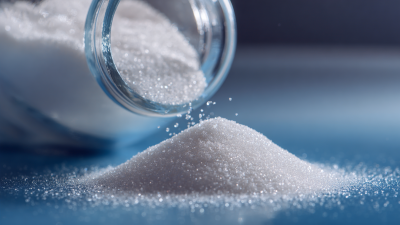
Essential Criteria for Selecting Quality Manufacturers of Best Water Treatment Polyacrylamide
-

How to Effectively Use Chemical Flocculant for Improved Water Treatment
-
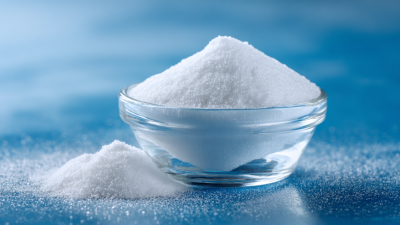
The Future of High Molecular Weight Polyacrylamide: Innovations Shaping Our Industry
-

5 Best Polymer Flocculant Powder Solutions for Maximizing Industrial Efficiency
-

Unlocking Nature's Power: The Surprising Benefits of Using Organic Flocculants in Water Treatment

Ava
-

Phone
-

E-mail
-

Whatsapp
-

WeChat
Jessy Lin
Paul Zhou:8613356391894 Eric Wong:8615963245439Emily Wu:8617866856171
-
WeChat
Paul Zhou

-
WeChat
Eric Wong

-
WeChat
Emily Wu