Lately, there's been a real spike in the demand for better water treatment solutions. People are more concerned than ever about water quality and doing our part for the environment. One interesting thing that's been catching everyone's eye in this space is Polyacrylamide Polymer. It’s super versatile — not only easy on the wallet but also super effective in a bunch of water treatment tasks like settling out sediments, cleaning up pollutants, and filtering water. Thanks to its unique traits, it’s a game-changer for both industries and city officials looking for reliable ways to keep our water safe and clean.
Looking ahead to 2025, we’re probably going to see a lot more of this polymer being used in water treatment plants. That’s mainly because everyone’s pushing for greener, more sustainable practices, plus tech is advancing so it works even better now. If folks in the field learn how to use Polyacrylamide properly, they can not only get more done efficiently but also stay ahead of all those changing environmental rules. This article’s here to break down how this polymer works, the different ways it can be used, and some practical tips for getting the most out of it—all part of the bigger picture of making our water safer and cleaner for everyone.

Understanding Polyacrylamide: Properties and Types
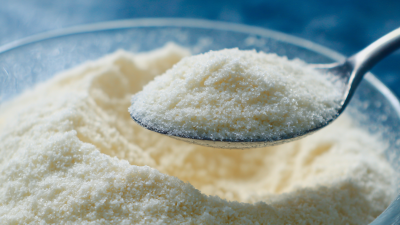
Polyacrylamide is a versatile polymer widely used in water treatment applications due to its unique properties such as high solubility, excellent forming ability, and effectiveness in flocculation. This synthetic polymer is formed from acrylamide monomers through polymerization, resulting in a long-chain structure that can interact with various particles in water. Its ability to bridge between suspended particles leads to the formation of larger aggregates, facilitating their removal from water systems during treatment processes.
There are various types of polyacrylamide, classified primarily based on their ionic charge, including anionic, cationic, and non-ionic varieties. Anionic polyacrylamides, which possess a negative charge, are typically used in treatments that require the aggregation of positively charged particles, such as certain metal hydroxides. Cationic polyacrylamides, characterized by a positive charge, are ideal for applications involving negatively charged particles and can be particularly effective in sludge dewatering. Non-ionic polyacrylamides, on the other hand, do not carry any charge and can be recommended for diverse applications, providing flocculation without affecting the ionic balance of the water. Understanding the properties and types of polyacrylamide is crucial for selecting the right formulation for specific water treatment scenarios, ensuring optimal performance and efficiency.
Applications of Polyacrylamide in Water Treatment
Polyacrylamide (PAM) has emerged as a crucial polymer in the water treatment sector, offering various applications that enhance the efficiency of purification processes. Its ability to function as a flocculant has made it indispensable in removing suspended solids and clarifying water in both municipal and industrial settings. According to a report by Global Industry Analysts, the worldwide market for polyacrylamide is expected to reach approximately $6 billion by 2025, highlighting its increasing significance in water treatment applications.
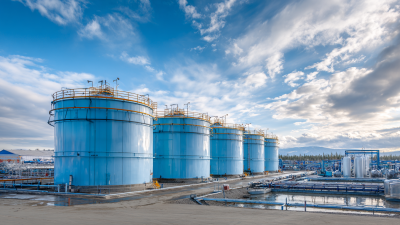
In wastewater treatment, polyacrylamide plays a pivotal role in the coagulation and sedimentation processes. The polymer enhances the aggregation of particles, facilitating their removal and leading to cleaner effluent. Additionally, PAM can be used in sludge thickening and dewatering, significantly reducing the volume of waste that must be treated or disposed of. This not only improves operational efficiency but also helps in lowering costs associated with waste management, which is critical for municipalities and industries alike.
Tips: When using polyacrylamide in water treatment, it’s essential to consider its molecular weight and charge density, as these factors greatly influence its effectiveness. Moreover, proper dosing is key—too much polymer can lead to adverse effects, such as reverted turbidity. Regular monitoring of water quality parameters can optimize performance and ensure compliance with regulatory standards.
2025 How to Use Polyacrylamide Polymer for Effective Water Treatment Solutions
| Application |
Polyacrylamide Type |
Dosage (mg/L) |
Efficiency (%) |
Notes |
| Sedimentation |
Anionic Polyacrylamide |
5-10 |
90 |
Effective for clay particles. |
| Flocculation |
Cationic Polyacrylamide |
2-8 |
85 |
Good for organic pollutants. |
| Wastewater Treatment |
Nonionic Polyacrylamide |
3-6 |
80 |
Best for neutral pH conditions. |
| Oil Recovery |
Anionic Polyacrylamide |
10-15 |
95 |
Enhances oil viscosity. |
| Soil Stabilization |
Anionic Polyacrylamide |
4-12 |
87 |
Helps in erosion control. |
Mechanisms of Water Purification Using Polyacrylamide
Polyacrylamide is a versatile polymer that plays a critical role in modern water treatment processes. Its effectiveness stems from its ability to facilitate the coagulation and flocculation of suspended particles in water. By forming a gel-like network, polyacrylamide binds smaller particles together, allowing them to settle more easily during the purification process. The use of polyacrylamide can significantly enhance the clarity of water, making it a preferred choice in both industrial and municipal water treatment facilities.
Tips for optimal use of polyacrylamide include careful dosing and monitoring of the water's chemical properties. Overdosing can lead to ineffective treatment, while underdosing may not achieve the desired results. It's essential to perform tests to determine the appropriate concentration of polyacrylamide needed for specific water conditions. Additionally, integrating polyacrylamide with other treatment processes, like sedimentation and filtration, can yield even better water quality outcomes.
Another mechanism through which polyacrylamide aids in water purification is by reducing turbidity and improving overall water quality. This polymer can also be used in conjunction with other coagulants to enhance the removal of contaminants such as heavy metals and organic matter. Operators should consider the pH and temperature of the water, as these factors can influence the polymer's effectiveness. Regular monitoring and adjustments will ensure that the treatment remains efficient and environmentally friendly.
Implementation Strategies for Effective Use of Polyacrylamide
The implementation of polyacrylamide polymers in water treatment processes is increasingly recognized for its effectiveness in enhancing water quality. According to the American Water Works Association, polyacrylamide serves as a flocculant that aids in the aggregation of suspended particles, allowing them to be removed more efficiently during sedimentation. By optimizing the concentration of polyacrylamide, treatment plants can achieve improved turbidity removal rates, with studies indicating that a 30% reduction in turbidity levels was observed when the optimal dosages were employed.
Moreover, successful application strategies involve a comprehensive understanding of the specific water characteristics being treated. A report by the Water Environment Federation emphasizes the importance of tailoring the polymer dosage based on parameters such as pH and temperature. For instance, the performance of polyacrylamide can vary significantly in alkaline versus acidic conditions, making the pre-treatment analysis essential. Incorporating advanced dosage control systems can further enhance the efficacy of polyacrylamide in real-time scenarios, leading to significant cost savings and resource efficiency in water treatment facilities.
Safety Considerations and Environmental Impact
When utilizing polyacrylamide polymer for water treatment, safety considerations must be prioritized. This polymer, often used in flocculation processes, can present risks if not handled properly. It is crucial to implement appropriate personal protective equipment (PPE), including gloves and masks, to prevent skin and respiratory exposure. Additionally, proper training for personnel on safe handling practices plays a vital role in minimizing health risks associated with polyacrylamide.
Environmental impact is another critical factor to consider. While polyacrylamide is effective in treating water, its degradation in natural environments can produce toxic by-products. Therefore, ensuring that any residual polymer is managed effectively is essential to safeguard aquatic ecosystems.
Tips: Ensure all wastewater treatment protocols include comprehensive monitoring to assess the potential accumulation of polyacrylamide in water bodies. Regularly update environmental impact assessments to evaluate any changes in chemical behavior over time. Engaging with environmental experts can also provide insights into sustainable practices that mitigate adverse effects.
Case Studies: Successful Water Treatment Using Polyacrylamide
In recent years, the application of polyacrylamide polymer in water treatment has gained traction, particularly in case studies that illustrate its effectiveness. One notable example is the treatment of industrial wastewater, where polyacrylamide was used to enhance the flocculation process. In this instance, the polymer contributed to the agglomeration of suspended particles, significantly reducing turbidity levels. The result was clean water that met regulatory standards for discharge, showcasing polyacrylamide's role in improving water quality in industrial settings.
Another successful case involved the use of polyacrylamide in agricultural runoff management. Farmers utilized the polymer to stabilize soil and minimize erosion, which, in turn, reduced the amount of sediment and nutrients entering nearby water bodies. By incorporating polyacrylamide into their land management practices, they not only improved crop yield but also protected local water resources from contamination. Such examples underscore the versatility and effectiveness of polyacrylamide in various water treatment scenarios, making it a valuable component in sustainable water management practices.
Future Trends in Polyacrylamide Water Treatment Solutions
As water scarcity and pollution continue to rise globally, the demand for effective water treatment solutions is more pressing than ever. Polyacrylamide (PAM) polymers have emerged as a pivotal tool in enhancing water purification processes. According to a report by MarketsandMarkets, the global PAM market for water treatment is projected to reach USD 6.68 billion by 2025, reflecting an increasing reliance on this versatile polymer due to its effectiveness in coagulation and flocculation processes.
Looking ahead, future trends in polyacrylamide water treatment solutions emphasize sustainability and efficiency. Researchers are exploring bio-based PAM alternatives that reduce environmental impact, aligning with the growing need for eco-friendly solutions in industrial applications. Additionally, advancements in PAM technology, such as improved molecular structure and functionalities, promise enhanced performance in various water treatment scenarios.
This includes refined methods for wastewater management in industries like mining and oil extraction, where the need for effective sedimentation and removal of contaminants is crucial. As such, polyacrylamide polymers are set to play a significant role in future water treatment methodologies, driving innovation towards better resource management and pollution control.
FAQS
: Polyacrylamide (PAM) is a polymer that acts as a flocculant in water treatment, enhancing the removal of suspended solids and improving water clarity in municipal and industrial settings.
PAM supports coagulation and sedimentation processes, promoting particle aggregation for easier removal and helping to produce cleaner effluent.
Polyacrylamide is effective in thickening and dewatering sludge, which reduces the volume of waste that needs treatment or disposal, leading to improved operational efficiency and cost savings.
Key factors include the molecular weight and charge density of the polymer, as well as proper dosing, to avoid issues such as reverted turbidity.
By adjusting the polymer concentration and monitoring water quality parameters, treatment plants can enhance turbidity removal rates, achieving better water quality.
The performance of polyacrylamide can significantly vary with changes in pH and temperature, necessitating a customized approach to ensure effective treatment.
Incorporating advanced dosage control systems can optimize polyacrylamide effectiveness, enhancing real-time performance and leading to better resource efficiency in facilities.
The market for polyacrylamide in water treatment is projected to grow significantly, with estimates reaching around $6 billion by 2025, indicating its rising importance in the sector.
Conclusion
The article titled "2025 How to Use Polyacrylamide Polymer for Effective Water Treatment Solutions" delves into the diverse applications and benefits of Polyacrylamide Polymer in water treatment processes. It begins by outlining the properties and various types of Polyacrylamide, highlighting its essential role in enhancing water purification methods. The article explains the mechanisms through which Polyacrylamide Polymer aids in water purification, making it a crucial component in effective water treatment strategies.
Moreover, it addresses the implementation strategies for maximizing the use of Polyacrylamide in different water treatment scenarios while considering safety and environmental impacts. Through several case studies, the article illustrates successful applications of Polyacrylamide Polymer, showcasing its effectiveness and potential. Lastly, it explores future trends, positioning Polyacrylamide Polymer as a vital element in advancing sustainable water treatment solutions.