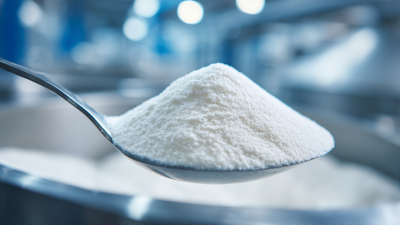
The 2026 Canton Fair is shaping up to be a really important event for keeping an eye on trends in Polyacrylamide polymers. It’s set to run from April to May, and they’re splitting it into three different phases—each covering different industry sectors. The first phase is all about advanced manufacturing and new materials, which is super exciting because it’ll spark some fresh ideas for how polymers like Polyacrylamide can be used in innovative ways.
One pretty cool thing is how they’re planning to use AI to make life easier for visitors. With smarter search and navigation tools powered by AI, finding the right suppliers will be a whole lot quicker. Plus, buyers can easily check if a company has the necessary certifications like ISO or CE—saving everyone a bunch of time and hassle. This smooth process could definitely open doors for new partnerships and help push forward the use of Polyacrylamide across different fields.
Of course, there are some hurdles too. The market’s changing fast, and companies need to stay flexible—adapting to new tech and shifting consumer needs is no small feat. Sustainability is also a hot topic these days, raising questions about how environmentally friendly Polyacrylamide is. As we gear up for the event, keeping these issues in mind will be key for pushing the industry forward.

Polyacrylamide Overview: Definition and Key Properties
Polyacrylamide is a versatile polymer widely used in various industries. It is derived from acrylamide and has unique properties that make it valuable. This polymer can absorb water and swell significantly, allowing it to retain moisture effectively. Various studies indicate that the global polyacrylamide market is projected to reach $6.9 billion by 2026, highlighting its growing importance.
In applications, polyacrylamide serves as a flocculant in wastewater treatment, enhancing the removal of suspended solids. The polymer's ability to form gels has also led to its use in agriculture, where it improves soil retention of water and nutrients. Notably, about 30% of users cite challenges in managing its biodegradability. Many companies are focusing on developing more sustainable variants.
Despite its strengths, polyacrylamide faces scrutiny regarding long-term environmental impact. Researchers emphasize the need for improved recycling techniques. Some data reports suggest that around 15% of polyacrylamide produced is not effectively utilized. This raises questions about efficiency and sustainability in production processes. Balancing commercial use and ecological responsibility remains an ongoing challenge.
Current Market Size and Growth Trends of Polyacrylamide
The polyacrylamide market is experiencing dynamic growth. The demand for this polymer is on the rise. Industries like agriculture and wastewater treatment heavily rely on it. With a wide range of applications, polyacrylamide has become essential. Its role in enhancing soil quality and improving irrigation is notable. The market currently shows promising figures, attracting attention at events like the Canton Fair.
Projected growth rates indicate a robust future for polyacrylamide. However, challenges persist. Environmental concerns regarding its production and disposal require careful consideration. As regulations tighten, companies may face dilemmas. Staying compliant while meeting market demand is crucial. Innovations in eco-friendly alternatives are beginning to appear, but they are not yet mainstream.
The evolving landscape of polyacrylamide requires businesses to adapt. Understanding market trends is vital. Trade shows serve as key platforms to gauge developments. Networking with experts can lead to valuable insights. Yet, companies must also reflect on their sustainability practices. Balancing profit and responsibility is an ongoing challenge in this thriving industry.
Innovative Applications of Polyacrylamide in Various Industries
Polyacrylamide is gaining traction across multiple industries. Its unique properties make it an ideal choice for various applications. In water treatment, for example, polyacrylamide plays a critical role in coagulation and flocculation. It improves the efficiency of removing contaminants from wastewater, contributing to cleaner environments.
In agriculture, polyacrylamide serves as a soil conditioner. It enhances water retention in soil, benefiting crop growth. Farmers notice improved yields, especially in arid regions. However, the long-term effects on soil health require further study. It's essential to reflect on how such innovations may impact natural ecosystems.
The emerging trend in construction highlights the use of polyacrylamide in cement additives. It helps improve the strength and durability of concrete structures. While this may reduce maintenance costs, over-reliance on synthetic additives could raise questions. Balancing innovation with traditional methods is a challenge worth exploring.
Sustainability Trends Impacting Polyacrylamide Production
The 2026 Canton Fair is poised to showcase significant advancements in polyacrylamide production, particularly influenced by sustainability. Companies are increasingly adopting eco-friendly practices. Innovations focus on reducing waste and energy consumption. Biodegradable options are gaining traction among manufacturers. This shift reflects a broader trend towards environmental responsibility.
Tips: Embrace green alternatives. Explore new materials that focus on sustainability. Engage in partnerships that prioritize eco-friendly practices.
Emerging technologies are playing a crucial role. Some producers are integrating
renewable resources into their processes. These changes often lead to challenges. There may be initial costs involved. Adopting sustainable practices requires transparency and commitment. Companies must ensure compliance with environmental regulations.
Tips: Regularly assess your production methods. Stay informed about the latest regulations. Involve your team in sustainability initiatives.
The future outlook is promising yet complex. It demands a balance between
innovation and
environmental stewardship. Continuous improvement is essential for long-term success. Organizations must remain open to feedback and adapt accordingly. Finding the right sustainable practices is a journey, not an endpoint.
Advancements in Polyacrylamide Manufacturing Technologies
The 2026 Canton Fair is set to showcase significant advancements in polyacrylamide manufacturing technologies. Recent innovations focus on enhancing production efficiency and reducing environmental impact. New methods are emerging that utilize sustainable raw materials. This shift is crucial as industry demands evolve.
Techniques such as green synthesis are gaining traction. They aim to minimize waste and energy use during production. Biodegradable additives are being integrated into formulations. These developments promise to make polyacrylamide a more eco-friendly option. However, the transition is often met with skepticism regarding performance.
Researchers are still grappling with the challenge of balancing cost and quality. Some new methods are labor-intensive and may not yield the desired output. The industry needs to address these imperfections while pushing for better technologies. The future of polyacrylamide lies in continuous improvement and adaptation.
Top Polyacrylamide Polymer Trends at 2026 Canton Fair
| Trend |
Description |
Year of Advancement |
Impact on Industry |
| Eco-friendly Production |
Development of biodegradable polyacrylamide polymers. |
2025 |
Reduces environmental footprint and meets regulatory standards. |
| Enhanced Water Solubility |
Improved formulations for better dissolution in water. |
2026 |
Increases efficiency in applications like water treatment. |
| Advanced Polymerization Techniques |
Utilization of new polymerization methods for better yield. |
2026 |
Optimizes production processes and reduces costs. |
| Application in Agriculture |
Use of polyacrylamide in soil stabilization and water retention. |
2025 |
Improves crop yields and resource efficiency. |
| Nanotechnology Integration |
Incorporation of nanoscale materials to enhance properties. |
2026 |
Leads to improved performance in various applications. |
Key Players in the Polyacrylamide Market and Their Strategies
The polyacrylamide market is evolving rapidly. Companies are adopting diverse strategies to stay competitive. Some focus on product innovation. Others prioritize sustainability, addressing growing environmental concerns. With eco-friendly alternatives, these players aim to attract environmentally conscious consumers.
Trade shows like the Canton Fair are crucial platforms. They provide insights into emerging trends and technologies. Attendees will witness unique applications across various industries. Exhibitors often showcase advancements in water treatment and agriculture. However, challenges lie in fully grasping these innovations.
Networking is invaluable at such events. Key players must engage with potential partners. Collaboration can lead to new product developments and market expansion. However, firms often miss chances to connect. They may overlook smaller companies with fresh ideas. Embracing a collaborative spirit could yield greater success. Balancing innovation with sustainability is a challenge, yet it is necessary for future growth.
Future Projections for Polyacrylamide Demand by 2026
The demand for polyacrylamide is projected to witness significant growth by 2026, driven by various industries. Recent reports from industry analysts indicate that the global market for polyacrylamide is expected to reach approximately 6.5 billion USD. This growth reflects the rising applications in water treatment, oil recovery, and agriculture.
One noteworthy trend is in the water treatment segment. The increasing scarcity of clean water is a pressing concern. Polyacrylamide acts as an essential flocculant, enhancing the efficiency of wastewater treatment processes. According to an industry survey, over 45% of polyacrylamide is utilized in this sector. This rising need mandates continual innovations and adaptations in formulation to maximize effectiveness.
Furthermore, the oil and gas sector presents a unique opportunity. Enhanced oil recovery techniques increasingly rely on polyacrylamide to improve viscosity and mobility. Studies predict a significant percentage increase in demand from this sector, unveiling potential challenges in supply chain logistics. Companies may need to rethink sourcing and distribution strategies as demand escalates. The path to 2026 could be marked by both growth and reflection on industry sustainability practices.
FAQS
: The growth is driven by increased demand in agriculture and wastewater treatment industries.
It acts as a soil conditioner, enhancing water retention and improving crop yields.
It improves coagulation and flocculation, making contaminant removal more efficient.
Challenges include environmental concerns regarding production and disposal methods.
Eco-friendly alternatives are emerging, but they are not yet widely adopted.
Over 45% of polyacrylamide is utilized in the water treatment sector, emphasizing its importance.
The market is projected to reach around 6.5 billion USD by 2026.
It's used in cement additives, enhancing the strength of concrete but raises questions on sustainability.
Over-reliance on synthetic additives might impact traditional construction practices and materials.
Balancing profit with environmental responsibility is crucial for future industry viability.
Conclusion
The "Top Polyacrylamide Polymer Trends at 2026 Canton Fair" article provides a comprehensive overview of the polyacrylamide polymer market, highlighting its definition, key properties, and the current market size and growth trends. The piece delves into the innovative applications of polyacrylamide in various industries, emphasizing its versatility and importance in sectors like water treatment, oil recovery, and agriculture.
Moreover, it addresses sustainability trends influencing polyacrylamide production, showcasing the industry's shift towards eco-friendly practices. Advancements in manufacturing technologies are also discussed, alongside insights into market strategies by key players. Finally, the article outlines future projections for polyacrylamide demand by 2026, indicating a robust outlook for this essential polymer in the coming years.