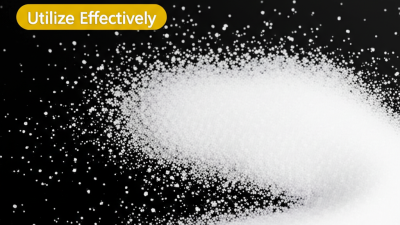
Polyacrylamide polymer has really become a game-changer in water treatment and agriculture, thanks to its unique properties and versatility. It’s a water-soluble polymer that can boost the efficiency of a bunch of different processes, making it a pretty handy tool for managing water resources and improving farming practices. When it comes to water treatment, polyacrylamide is mainly used for its ability to flocculate, bind, and thicken—helping to clear water through better sedimentation and filtration.
On the farming side of things, this polymer plays a vital role in stabilizing soil, preventing erosion, and holding onto moisture—things that are crucial for healthier crops and sustainable agriculture. Its capacity to keep water in the soil means irrigation works more efficiently, so farmers use less water overall but still give their plants what they need to grow strong.
This intro sets the stage to look at the top ten ways polyacrylamide is making a difference—both in cleaning up water and supporting better farming—while also promoting environmental sustainability and smarter resource use.

Applications of Polyacrylamide in Water Treatment: An Overview
Polyacrylamide, a synthetic polymer, plays a crucial role in various applications, particularly in water treatment. Its unique properties make it an effective flocculant, which is essential in the clarification of wastewater.
When added to water, polyacrylamide enables particulates to aggregate and settle more rapidly, thus improving the efficiency of sedimentation processes. This is particularly important for industries that generate large amounts of wastewater, as it helps ensure that harmful substances are removed effectively before the water is released back into the environment.
In agricultural settings, the versatility of polyacrylamide extends to soil management and irrigation. It enhances soil structure and water retention capabilities, which is especially beneficial in arid regions. By improving the infiltration and retention of water in the soil, polyacrylamide aids in reducing water loss due to evaporation, thereby promoting sustainable agricultural practices. Additionally, it can aid in minimizing soil erosion, fostering healthier crop growth while simultaneously conserving essential water resources.
Polyacrylamide as a Coagulant Aid in Wastewater Management
Polyacrylamide (PAM) has emerged as a crucial coagulant aid in wastewater management due to its ability to enhance the efficiency of traditional coagulation processes. In wastewater treatment plants, PAM is utilized to facilitate the aggregation of suspended particles, forming larger flocs that can be easily removed from the water. This process not only improves the clarity of the effluent but also reduces the overall chemical consumption required for water treatment. By optimizing the settling and filtration processes, polyacrylamide minimizes the environmental impact of wastewater discharge and promotes cleaner water for various uses.
The use of polyacrylamide in wastewater treatment extends beyond simply improving water quality; it also plays a significant role in reducing operational costs. When integrated into treatment processes, PAM can lead to lower sludge volumes and improved dewaterability, reducing the burden on disposal and treatment facilities.
Moreover, its versatility allows it to be tailored for specific applications, such as in municipal wastewater treatment, industrial effluent management, and even in the treatment of agricultural runoff. As wastewater treatment becomes increasingly critical in managing environmental sustainability, polyacrylamide continues to demonstrate its value as an effective coagulant aid that enhances both operational efficiency and water quality.
Enhancing Soil Structure and Moisture Retention in Agriculture
Polyacrylamide polymer plays a significant role in enhancing soil structure and moisture retention, making it an invaluable tool in agricultural practices. When applied to soil, polyacrylamide acts as a soil conditioner, increasing its permeability and aeration. This improved structure allows for better root growth, facilitating nutrient uptake and promoting healthier plant development. As the polymer retains water within the soil matrix, it helps maintain optimal moisture levels, particularly during dry spells, thereby reducing the need for frequent irrigation and conserving water resources.
Moreover, polyacrylamide contributes to the reduction of soil erosion, a critical issue in many agricultural regions. By aggregating soil particles, it creates a more stable soil structure resistant to the impacts of wind and water. This not only protects the topsoil—the most fertile layer crucial for crop growth—but also supports sustainable farming practices. As farmers increasingly seek innovative solutions to combat climate challenges and improve productivity, the incorporation of polyacrylamide into soil management strategies offers a promising avenue for enhancing agricultural efficiency and sustainability.
Role of Polyacrylamide in Erosion Control and Soil Conservation
Polyacrylamide polymer plays a significant role in erosion control and soil conservation, providing effective solutions to combat soil degradation caused by water runoff and wind erosion. This versatile polymer works by creating a gel-like substance when it comes into contact with water, which helps bind soil particles together, stabilizing the soil structure. By enhancing the soil's ability to retain moisture, polyacrylamide not only reduces erosion but also improves its overall fertility, making it more suitable for agriculture and plant growth.
Moreover, the application of polyacrylamide in agricultural practices fosters sustainable land management. When applied to agricultural fields, it acts as a barrier to prevent soil particles from being washed away during heavy rainfall or irrigation. This reduction in soil loss not only preserves the topsoil, which is essential for crop production but also minimizes sedimentation in nearby water bodies, enhancing water quality. Additionally, by promoting water retention within the soil, polyacrylamide contributes to more efficient water usage, thereby supporting farmers in regions facing water scarcity. As a result, its use is pivotal in ensuring long-term soil health and productivity in agricultural systems.
Top 10 Uses of Polyacrylamide Polymer in Water Treatment and Agriculture
| Use Case |
Description |
Benefits |
Application Area |
| Erosion Control |
Used to stabilize soil and prevent surface erosion. |
Reduces soil loss and improves land stability. |
Agricultural fields, construction sites. |
| Soil Moisture Retention |
Enhances the water-retaining capacity of soil. |
Promotes healthier crops in arid regions. |
Agriculture, horticulture. |
| Water Treatment |
Acts as a flocculant in water purification processes. |
Improves water clarity and reduces turbidity. |
Municipal water treatment plants. |
| Sludge Dewatering |
Facilitates the removal of water from sewage sludge. |
Reduces volume for easier disposal and treatment. |
Wastewater treatment facilities. |
| Soil Conditioning |
Improves soil structure and aeration. |
Enhances crop yield and soil health. |
Farmlands, gardens. |
| Desalination Support |
Used in processes to remove salt from water. |
Produces fresh water from saline sources. |
Coastal areas, irrigation systems. |
| Dust Control |
Helps bind dust particles on unpaved surfaces. |
Reduces dust emissions and improves air quality. |
Construction sites, mining operations. |
| Crop Protection |
Forms gels that protect seeds and plants. |
Enhances seed germination and plant growth. |
Agricultural lands. |
| Liquid Fertilizer Enhancement |
Improves distribution and efficiency of fertilizers. |
Increases nutrient availability for plants. |
Farming operations. |
| Aquaculture |
Enhances water quality in fish farming. |
Promotes healthy fish growth. |
Fish farms and aquaculture systems. |
Impact of Polyacrylamide on Fertilizer Efficiency and Performance
Polyacrylamide (PAM) has emerged as an essential polymer in enhancing fertilizer efficiency and performance in agricultural applications. Its ability to improve soil structure and water retention directly influences nutrient availability to crops. When polyacrylamide is incorporated into the soil, it forms a gel-like matrix that not only reduces erosion but also enhances the soil's ability to retain moisture. This is particularly beneficial in arid regions where water conservation is critical for sustainable farming practices. As a result, farmers can use less water while maintaining higher crop yields.
Moreover, polyacrylamide plays a significant role in preventing nutrient leaching. By stabilizing the soil and promoting better infiltration, it helps retain essential fertilizers within the root zone, thereby increasing their effectiveness. This leads to a more efficient use of fertilizers, reducing the overall quantity required. Consequently, this not only lowers costs for farmers but also minimizes the environmental impact associated with excessive fertilizer application. The integration of polyacrylamide in agricultural practices marks a shift towards more sustainable approaches that enhance both agricultural productivity and environmental stewardship.
Use of Polyacrylamide in Irrigation Systems for Improved Water Use
The use of polyacrylamide (PAM) in irrigation systems has gained significant attention due to its ability to enhance water use efficiency in agricultural practices. According to a report by the Food and Agriculture Organization (FAO), implementing PAM in irrigation can lead to a reduction in water usage by up to 30%, allowing farmers to irrigate larger areas with the same amount of water. This water-saving property is particularly beneficial in arid regions where water scarcity is a critical challenge for crop production.
Moreover, polyacrylamide serves to improve soil structure and moisture retention. In a study published by the Journal of Soil and Water Conservation, it was found that PAM-treated soils demonstrated increased water infiltration rates and reduced surface runoff. As a result, crops receive more consistent moisture levels, which is essential for optimal growth and yield. The capacity of PAM to form a gel-like structure in soil enhances its ability to hold water, thus creating a more resilient ecosystem, especially in times of drought. With agriculture contributing significantly to global water consumption—approximately 70% according to the UN—integrating PAM into irrigation strategies can be a sustainable solution to conserve this vital resource while simultaneously promoting agricultural productivity.
Top 10 Uses of Polyacrylamide Polymer in Water Treatment and Agriculture
Economic Benefits of Polyacrylamide in Agricultural Practices
Polyacrylamide polymer plays a significant role in enhancing agricultural practices, particularly in water treatment and management. One of the key economic benefits is its ability to improve soil stability and moisture retention. By using polyacrylamide, farmers can reduce water erosion and nutrient runoff, thereby ensuring that water and fertilizers are more efficiently utilized. This not only leads to lower operational costs but also boosts crop yields, ultimately contributing to better profitability.
Another advantage of polyacrylamide in agriculture is its effectiveness in improving irrigation efficiency. When applied to soil, it forms a gel that helps to hold water in the root zone for an extended period. This minimizes the frequency of irrigation needed, reducing water consumption and labor costs. For farmers in areas facing water scarcity, this characteristic is particularly beneficial, allowing them to sustain their production levels without over-extracting from local water sources.
Tips: When implementing polyacrylamide, it’s essential to apply it judiciously according to the specific soil type and crop requirements. Conducting soil tests can help determine the right amount to use for optimal results. Additionally, consider using it in conjunction with other sustainable farming practices, such as crop rotation and cover cropping, to enhance overall soil health and productivity.
Emerging Trends and Innovations in Cationic Polyacrylamide: Insights from Recent Market Analysis and Industry Reports
Emerging trends in the field of cationic polyacrylamide highlight its growing significance in various industrial applications. This white granular substance is recognized for its unique properties as a linear high molecular compound, which is highly soluble in water. As the demand for eco-friendly and efficient flocculants rises, cationic polyacrylamide stands out thanks to its non-toxic and odorless nature. Its ability to absorb moisture efficiently and its stability in various environments further augment its appeal in sectors like water treatment, papermaking, and oil recovery.
Recent market analysis reveals that the positive charge active groups present in the molecular chains of cationic polyacrylamide play a crucial role in enhancing its performance as a flocculant. This characteristic facilitates the aggregation of negatively charged particles, making it an essential component in processes requiring clarification and sedimentation. The insights from industry reports indicate that innovations such as modified formulations are on the rise, aiming to improve the efficiency and applicability of this versatile polymer in diverse applications. As industries continue to seek sustainable and effective solutions, cationic polyacrylamide is poised to remain a key player in the future of environmental and industrial processes.
FAQS
: Polyacrylamide is a synthetic polymer primarily used as a flocculant in water treatment, helping particulates aggregate and settle quickly during the clarification of wastewater.
It enhances the efficiency of traditional coagulation processes, facilitating the aggregation of suspended particles into larger flocs for easier removal and improving effluent clarity.
Polyacrylamide helps lower sludge volumes and improves dewaterability, reducing the burden on disposal and treatment facilities, which can lead to overall cost savings.
Yes, polyacrylamide enhances soil structure and improves water retention, which is especially beneficial in arid regions, promoting sustainable agricultural practices.
It minimizes the environmental impact of wastewater discharge by optimizing settling and filtration processes, leading to cleaner water for various uses.
By improving the infiltration and retention of water in the soil, polyacrylamide reduces water loss due to evaporation and helps in conserving essential water resources.
Yes, polyacrylamide can be tailored for specific applications, including municipal wastewater treatment, industrial effluent management, and agricultural runoff treatment.
By enhancing soil structure and water retention, polyacrylamide helps to minimize soil erosion, thus fostering healthier crop growth while conserving water.
It allows particulates to aggregate and settle more rapidly, improving the efficiency of sedimentation and enhancing wastewater treatment outcomes.
Its ability to enhance operational efficiency and improve water quality makes polyacrylamide a valuable coagulant aid in the pursuit of environmental sustainability.
Conclusion
Polyacrylamide Polymer has emerged as a versatile tool in both water treatment and agricultural practices, offering numerous benefits across various applications. In water treatment, it serves as a coagulant aid, enhancing the removal of impurities and improving the efficiency of wastewater management systems. Additionally, its ability to enhance soil structure and moisture retention is pivotal for sustainable agriculture, promoting healthier crop growth and soil conservation.
The role of Polyacrylamide Polymer extends to erosion control, where it reduces soil degradation and improves stability in agricultural fields. Furthermore, its influence on fertilizer efficiency ensures that nutrients are utilized more effectively, leading to increased agricultural productivity. In irrigation systems, the polymer aids in optimizing water use, resulting in economic benefits for farmers while promoting environmental sustainability. Overall, the applications of Polyacrylamide Polymer are crucial in advancing water treatment technologies and enhancing agricultural practices.