0%

Hey, have you noticed how much buzz there is around the Polyacrylamide price lately? It’s pretty understandable since this versatile polymer is used everywhere—water treatment, farming, oil recovery—you name it. For folks looking to buy, keeping an eye on its price trends is kinda a must if you want to make smart choices.

Lately, we’ve seen some swings in raw material costs and how companies produce it, which naturally affects the prices. So, if you’re in the market, it pays to stay tuned to the latest market updates. Chatting with suppliers like BASF or SNF can really give you some helpful insights, too. Just a heads-up though: not all Polyacrylamide is created equal; quality can vary quite a bit depending on the manufacturer.

And of course, things get tricky when prices suddenly jump without warning. That can put a lot of pressure on buyers, especially if they don’t feel well-informed. Plus, there's often this debate about whether higher quality actually means paying more—something worth scrutinizing. Taking a step back, doing some careful evaluation, and understanding the broader market landscape can really help you make better purchasing decisions. Honestly, navigating this price game requires ongoing reflection and flexible strategies—no one-size-fits-all approach here.

Polyacrylamide Price Trends and Tips for Buyers?

Polyacrylamide Overview: What Buyers Need to Know

Polyacrylamide is a versatile polymer used in various industries, including water treatment, agriculture, and oil recovery. Buyers should be aware of its types: anionic, cationic, and non-ionic. Each type serves different functions, making it crucial for buyers to understand their specific needs. Industry reports indicate a growing demand for polyacrylamide, driven by developments in water purification technologies. In fact, the global market size is projected to reach $8.62 billion by 2027, reflecting a significant growth rate.

When purchasing polyacrylamide, buyers should consider their applications carefully. Understanding the specifics of their processes can help ensure they choose the right type. The price can fluctuate based on purity and viscosity levels. Industrial reports show fluctuations of around 5-15% over the past year. Factors such as supply chain issues and raw material costs may affect pricing trends.

Tip: Always request samples before committing to bulk orders. This helps ensure compatibility with existing processes. It’s also wise to monitor market trends regularly. Staying informed can help buyers make cost-effective decisions. Another tip is to build relationships with suppliers. Good communication can lead to better negotiation opportunities and insights on future pricing.

Understanding Polyacrylamide Price Fluctuations

Polyacrylamide prices have shown significant fluctuations in recent months. Market analysis suggests a compelling link between raw material costs and end-product pricing. For instance, the price of acrylonitrile has increased by nearly 12% over the last quarter. This rise directly impacts polyacrylamide prices, causing concern for many buyers.


Additionally, demand in sectors like agriculture and wastewater treatment has surged. According to a recent industry report, these sectors account for approximately 65% of polyacrylamide consumption. This heightened demand can lead to price spikes during peak seasons. Buyers need to be mindful of seasonal trends when planning purchases.


Moreover, geopolitical factors may play a role. Supply chain interruptions are evident, impacting availability and costs. Many manufacturers are adjusting their pricing strategies. As the market evolves, buyers may need to reassess their procurement methods to mitigate risks linked to price volatility. Staying informed about market dynamics is vital for making sound purchasing decisions.

Factors Influencing Polyacrylamide Market Prices

Polyacrylamide Price Trends and Tips for Buyers?

Polyacrylamide prices are influenced by various factors in the market. Supply and demand play a key role. When demand increases, prices tend to rise. Natural disasters, regulatory changes, and economic shifts can disrupt supply chains. This can lead to price fluctuations.

Raw material costs also impact polyacrylamide prices. If the prices of chemicals used in production increase, manufacturers may raise their prices. Additionally, energy costs can affect production. Transportation costs contribute to overall expenses. Buyers should keep these factors in mind when evaluating prices.

Tips for buyers include staying informed about market trends. Monitoring news and reports can help you anticipate price changes. Building strong relationships with suppliers can lead to better deals. Consider bulk purchases to reduce costs. Lastly, always assess alternatives. Not every option is the best fit for your needs. Understanding these dynamics will help you navigate the polyacrylamide market effectively.

Recent Trends in Polyacrylamide Pricing

Recent trends in polyacrylamide pricing show considerable fluctuations. According to industry reports, prices have varied based on raw material costs and demand shifts. In early 2023, the average price was approximately $2,500 per ton. By mid-year, it surged to around $3,000 per ton due to increased demand in wastewater treatment and agriculture.

The global supply chain also plays a critical role. A shortage of key raw materials has led to higher costs. Reports indicate that production disruptions in major manufacturing regions have contributed to the tight market. This circumstance often catches buyers off guard, affecting their budgeting and procurement plans.

Buyers should remain vigilant. Regularly monitoring market trends is essential. Engaging with suppliers for real-time insights can prove beneficial. Pricing negotiations may reflect the current market instability. Therefore, flexibility in purchasing strategies may lead to better deals. Adjusting order quantities in response to pricing trends can also help mitigate risks.

Forecasting Future Prices of Polyacrylamide

Polyacrylamide prices have seen significant fluctuations in recent years. These shifts usually depend on various factors. Demand in industries like oil recovery and water treatment heavily influences pricing. Raw material costs and production efficiency also play key roles. As market dynamics change, potential buyers need to stay informed.

Looking ahead, experts predict that polyacrylamide prices may stabilize, but uncertainty remains. The ongoing push for sustainable practices could affect production costs. Innovations in manufacturing could drive prices lower. However, geopolitical factors may introduce volatility. Buyers should keep a close eye on market trends and adjust their purchasing strategies accordingly.

Understanding these trends is crucial. It helps buyers make informed decisions. Waiting for the optimal time to buy can save costs. But predicting the right moment is not simple. Relying solely on trends may lead to missed opportunities. Flexibility in purchasing plans can be beneficial as circumstances change unexpectedly.

Polyacrylamide Price Trends (2020-2023)

Tips for Buyers: How to Secure the Best Price

When looking for polyacrylamide, buyers should focus on understanding price trends. Prices can fluctuate based on demand, production costs, and market conditions. Keeping an eye on these factors helps buyers make informed decisions.

Conduct thorough research before purchasing. Connect with various suppliers to compare prices. Some suppliers might offer better deals depending on their location or stock levels. Asking for bulk discounts can also reduce costs significantly. Don't forget to inquire about delivery charges as these can affect the overall price.

It's wise to be flexible with your purchases. Sometimes, waiting for a price dip yields better results. However, be cautious. Over-analyzing can lead to missed opportunities. Balance your timing and insights to secure the best deal for polyacrylamide.

Polyacrylamide Price Trends and Tips for Buyers

Year Average Price (USD/kg) Price Change (%) Major Factors Influencing Price Buying Tips
2021 2.50 - Supply chain disruptions, increased raw material costs Compare multiple suppliers
2022 2.75 +10% Increased demand for water treatment Negotiate bulk purchase discounts
2023 3.00 +9.09% Regulatory changes, rising production costs Research market trends regularly
2024 (Forecast) 3.20 +6.67% Technological advancements, geopolitical factors Consider long-term contracts

Strategic Purchasing: Timing and Supplier Relationships

Strategic purchasing for polyacrylamide requires careful timing and strong supplier relationships. Price fluctuations can be significant. Recent reports indicate that prices can vary by as much as 15% quarterly. Buyers must track these trends closely. Understanding market demands plays a crucial role. The right timing can lead to substantial cost savings.


Building relationships with suppliers is essential. They can provide insights on upcoming price changes. Transparent communication often creates opportunities for better deals. Industry data shows that companies with strong supplier ties benefit from an average of 10% lower prices. Yet, relying solely on one supplier can be risky. Market dynamics can shift unexpectedly, impacting supply.


Buyers should also consider broader economic indicators. Factors such as raw material costs and global oil prices affect polyacrylamide pricing. Staying informed will help in negotiations. However, not all suppliers are equally reliable. It’s vital to assess their delivery performance. Learn from past experiences with suppliers, both good and bad. This reflection can lead to more strategic purchasing decisions.

Exploring the Benefits and Applications of Cationic Polyacrylamide in Modern Industries

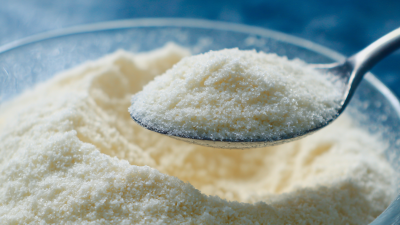
Cationic Polyacrylamide, characterized by its white granule appearance, is a linear high molecular compound that plays a significant role in various modern industrial applications. Being soluble in water and possessing non-toxic and odorless properties, it has emerged as a versatile agent in sectors such as water treatment, textile, and paper manufacturing. Its ability to easily absorb moisture while remaining insoluble in organic solvents like ethanol and acetone makes it particularly suitable for processes requiring high stability and reliability.

One of the standout features of Cationic Polyacrylamide is its active positive charge on molecular chains, which enhances its effectiveness as a flocculant and coagulant. This property allows it to bind with negatively charged particles in water, facilitating the removal of impurities and enhancing the quality of treated water. In the textile industry, it serves as a stabilizer and thickener, improving the uniformity and performance of dyes and coatings. Additionally, its application in paper manufacturing not only improves the strength of paper but also aids in optimizing the production process by reducing waste and enhancing efficiency.

The sustainability and safety aspects of Cationic Polyacrylamide further increase its attractiveness for various industries. As companies continue to seek environmentally friendly and effective solutions for their operational challenges, the adoption of this compound is likely to expand, resulting in more innovative applications.

FAQS

: What are the common symptoms of fatigue?

: Symptoms include tiredness, lack of energy, and difficulty concentrating.

How can I improve my sleep quality?

Establish a sleep schedule, create a comfortable environment, and limit screen time before bed.

What causes occasional forgetfulness?

Stress, lack of sleep, and distractions can lead to occasional forgetfulness.

How can I manage stress effectively?

Try deep breathing exercises, physical activity, or mindfulness techniques. Reflect on what works for you.

What should I do if I'm feeling overwhelmed?

Take short breaks, prioritize tasks, and seek support from friends or family. Not all solutions work for everyone.

How can hydration affect my energy levels?

Staying hydrated helps maintain energy. Dehydration may cause fatigue and headaches. Drink water regularly.

Is it normal to have off days?

Yes, everyone experiences off days. It's okay to feel unproductive sometimes. Reflect and adjust as needed.

How do nutrition choices impact mood?

Poor nutrition can lead to mood swings. Eating balanced meals helps maintain stable energy and mood levels.

What role does physical activity play in mental health?

Regular physical activity can boost mood and reduce anxiety. Start small and find activities you enjoy.

How important is routine for mental well-being?

A routine can provide structure and comfort. It helps manage stress, but flexibility is also necessary.

Conclusion

The article titled "Polyacrylamide Price Trends and Tips for Buyers" provides a comprehensive overview of the key factors influencing polyacrylamide pricing. It begins by outlining what potential buyers should know about polyacrylamide, followed by an analysis of the various factors that cause fluctuations in its market prices. Recent trends indicate that prices can vary significantly due to supply and demand dynamics, production costs, and market competition.

Moreover, the article offers practical advice on how buyers can secure the best prices for polyacrylamide. By carefully timing purchases and fostering strong supplier relationships, buyers can navigate market volatility more effectively. With a keen understanding of current pricing trends and strategic purchasing strategies, buyers can make informed decisions that benefit their procurement needs while optimizing costs associated with polyacrylamide.

Liam

Liam

Liam is a dedicated marketing professional at Qingdao Oubo Chemical Co., Ltd., a company founded in 2011 that specializes in the production and supply of cationic polyacrylamide, anionic polyacrylamide, and nonionic polyacrylamide. With a profound expertise in the chemical industry, Liam plays a......
Previous Choosing the Right Manufacturer for Best High Molecular Weight Anionic Polyacrylamide with Industry Insights
WhatsApp Online Chat !