0%

Water treatment really is super important when it comes to making sure our drinking water stays clean and safe. One thing that’s often a game-changer in this whole process is Polymer Flocculant Powder. Basically, it helps gather up all those tiny impurities, turning them into bigger clumps that are much easier to get rid of.

You'll find that many water treatment plants have started using this powder, and honestly, it’s made a big difference. It works by sticking small particles together, which then settle out at the bottom and can be scooped away. But heads up—not all flocculants are created equal. The quality and the right amount you use can really influence how well everything works.

Honestly, Polymer Flocculant Powder is pretty crucial because it can lower costs while really improving water quality. Still, it’s not a magic fix—leaning on it too much without checking if it’s the right fit might cause some problems. So, ongoing monitoring and tweaks are key to keeping everything running smoothly. Striking that balance—that’s what makes a water treatment process truly effective.

Why is Polymer Flocculant Powder Essential in Water Treatment?

Definition and Composition of Polymer Flocculant Powder

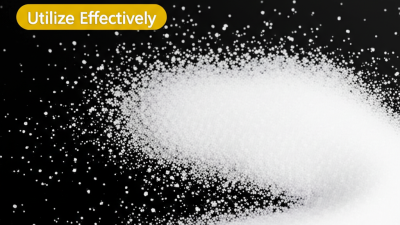
Polymer flocculant powder plays a crucial role in water treatment. It consists mainly of synthetic polymers that enhance sedimentation and filtration. These polymers can be cationic, anionic, or non-ionic, depending on their charge. Their unique structure allows them to bind with tiny particles suspended in water, forming larger aggregates. This process, known as flocculation, makes it easier to remove impurities from water.

In practice, polymer flocculants are often employed in various settings. Municipal water treatment plants utilize them to clarify drinking water. Industries dealing with wastewater also rely on these polymers to reduce solids in effluent. However, challenges exist in determining the ideal dosage. Too little may cause inadequate floc formation, while too much can lead to oversaturation. Engineers must carefully monitor the conditions to achieve the best results.

The composition of these powders varies significantly. The specific molecular weight and charge density influence their effectiveness. Some formulations are designed for specific contaminants, making their application crucial. Yet, not all polymers perform equally well in every scenario. Variability in water quality can result in inconsistent outcomes. Identifying the right polymer flocculant in these situations can require trial and error. This aspect reminds us that even established methods have room for improvement.

Why is Polymer Flocculant Powder Essential in Water Treatment? - Definition and Composition of Polymer Flocculant Powder

Property Description
Definition A polymer flocculant powder is a substance that helps in the aggregation of particles in water, facilitating their removal.
Composition Typically made from synthetic polymers, such as polyacrylamides, which can vary in charge and molecular weight.
Application Fields Used in municipal water treatment, industrial wastewater management, and various environmental processes.
Benefits Enhances sedimentation rates, reduces turbidity, and improves overall water quality.
Environmental Impact Low toxicity and biodegradability make it favorable for environmental safety when used correctly.
Dosage Typically requires careful dosing; effectiveness depends on water chemistry and particle characteristics.

Importance of Flocculation in Water Treatment Processes

Flocculation is a critical process in water treatment. It helps in the aggregation of fine particles suspended in water. The essential role of polymer flocculant powder is to bind these particles together. This binding forms larger clusters, making them easier to remove. Without effective flocculation, water treatment can be inefficient.

Many plants rely on flocculants for clarity in water. Unfortunately, some might not use the right dosage. This can lead to incomplete removal of contaminants. What happens to the leftover particles? They can disrupt ecosystems and impact human health. Addressing this inconsistency is vital.

Moreover, the effectiveness of flocculation can vary across different water sources. This variability can challenge water treatment facilities. Some facilities may overlook certain parameters during treatment. This oversight can reduce water quality. Every facility needs to regularly evaluate their flocculation processes for improvement.

Types of Polymer Flocculants Used in Water Treatment

Why is Polymer Flocculant Powder Essential in Water Treatment?

Polymer flocculants play a significant role in water treatment. These substances help in aggregating particles in water. The use of different types enhances the efficiency of purification processes.

Anionic flocculants are widely used, especially in industrial wastewater treatment. They effectively bind with positively charged particles. Cationic flocculants are another type, better suited for treating negatively charged particles. They work well with organic materials. Nonionic flocculants are less common, but useful in specific applications. They are gentle and effective in certain environments.

Choosing the right flocculant is crucial. The wrong type can lead to ineffective treatment. This might generate more sludge or cause complications during the process. Compatibility with the type of impurities present is vital. Often, insufficient tests are conducted before selecting a flocculant. This oversight can lead to additional challenges down the road. Environmental factors should also be considered when determining the suitable polymer. Each type has its strengths and weaknesses, requiring careful thought before implementation.

Mechanisms of Action of Polymer Flocculants

Polymer flocculants play a crucial role in water treatment processes. They help in the aggregation of suspended particles, facilitating their removal. One mechanism of action involves charge neutralization. The polymer chains have positive or negative charges that interact with the oppositely charged particles in water. This interaction leads to the formation of larger flocs, enhancing sedimentation rates. According to a report by the Water Environment Federation, flocculants can increase the settling velocity of solids by up to 70%.

Another fundamental mechanism is bridging. In this process, long polymer chains connect multiple particles together, creating larger aggregates. These aggregates are easier to remove through filtration or sedimentation. Research showed that bridging can improve floc formation efficiency by at least 50%. However, the effectiveness largely depends on the type of polymer and its molecular weight. Not all polymers work equally well in different water conditions. Some might even destabilize the flocculant process if improperly chosen.

Despite their advantages, using polymer flocculants comes with challenges. Overdosing can lead to the formation of excess sludge, complicating treatment processes. Moreover, improper application may cause incomplete clarifications. Understanding the specificities of water chemistry is essential when selecting the right polymer flocculant. Continuous research is necessary to refine application techniques and enhance overall efficiency in water treatment practices.

Benefits of Using Polymer Flocculants in Water Treatment

In modern water treatment, polymer flocculant powder plays a vital role. These substances help to aggregate fine particles that can cause cloudiness in water. According to a report by the American Water Works Association, around 33% of municipal water treatment facilities use flocculants, showcasing their importance.

The benefits are clear. Polymer flocculants enhance sedimentation rates significantly. In many studies, their use has led to a 30% improvement in settling times, which means cleaner water is produced faster. Additionally, they help reduce chemical usage, lowering operational costs. However, not all polymer flocculants are environmentally friendly. Some formulations may release harmful by-products during degradation.

Quality control remains a challenge. Variations in polymer quality can lead to inconsistent performance. The industry faces scrutiny over this issue. Reducing reliance on synthetic alternatives may be necessary. By exploring biodegradable options, we can strive for better environmental outcomes while maintaining efficiency. Balancing effectiveness and sustainability is crucial in the evolving landscape of water treatment.

Applications of Polymer Flocculants in Various Water Treatment Scenarios

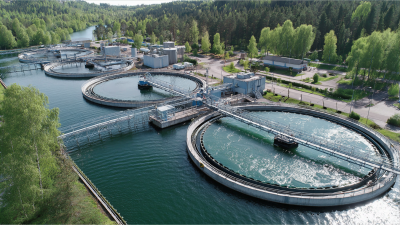
Polymer flocculants play a crucial role in various water treatment applications, ensuring cleaner and safer water. These versatile compounds are widely used in municipal wastewater treatment plants. They help reduce the turbidity of the water by binding particles together, making them easier to remove.

In industrial applications, polymer flocculants can be essential. They enhance the efficiency of processes like sedimentation and filtration. In mining, these flocculants assist in separating minerals from waste, reducing environmental impact. Additionally, they find use in food processing, where they improve water quality in production processes.

Tip: Always test the concentration of polymer flocculants before large-scale use. Too much can create a sludge problem. Finding the right balance is often challenging.

In aquaculture, polymer flocculants help maintain water quality. They remove excess nutrients that could harm fish health. However, over-relying on these substances without monitoring can lead to unintended side effects. Ensure regular testing to avoid creating a toxic environment for aquatic life.

Tip: Consider periodic assessments of water quality. This can guide adjustment of flocculant use. Such reflective practices lead to better outcomes in treatment efficiency.

Challenges and Considerations in Polymer Flocculant Usage

Why is Polymer Flocculant Powder Essential in Water Treatment?

The use of polymer flocculant powder in water treatment presents notable challenges. One primary concern is the varying effectiveness of different flocculants. Not all polymers work well with every type of wastewater. For instance, adjusting dosages can be tricky. Too much flocculant can lead to over-flocculation, creating sludge that is hard to manage. Conversely, too little might result in incomplete particle removal.

Another key issue is compatibility with existing systems. Equipment may need modifications to handle the additional chemicals. Operators must monitor pH levels and temperature closely. These variables can dramatically affect flocculation processes. Regular testing is vital, yet it requires extra resources and time.

Environmental considerations are also essential. Residual polymer can enter ecosystems, impacting aquatic life. Waste disposal is a challenge too. Not all flocculant residues are biodegradable. Thus, careful planning is necessary to minimize negative effects. Awareness and adaptability in polymer usage can lead to better water treatment outcomes.

Exploring the Applications and Benefits of Cationic Polyacrylamide in Modern Industries

Cationic Polyacrylamide, a versatile linear high molecular compound, plays a pivotal role in various modern industries due to its unique properties. Being a white granule, it is not only soluble in water but also non-toxic and odorless. These characteristics make it an ideal choice for applications that require safety and environmental consciousness. One of its significant attributes is its ability to easily absorb moisture while remaining insoluble in organic solvents such as ethanol and acetone. This solubility profile enhances its utility in diverse formulations across different sectors.

The positive charge active groups present on the molecular chains of Cationic Polyacrylamide contribute to its effectiveness as a flocculant and coagulant in water treatment processes. These active groups facilitate the aggregation of suspended particles, thereby significantly improving water clarity and quality. This feature is particularly beneficial in municipal wastewater treatment and industrial effluent management, where the reduction of contaminants is critical. Additionally, its applications extend to agriculture, where it can enhance soil structure and moisture retention, promoting healthier plant growth.

Moreover, Cationic Polyacrylamide finds usage in the paper and textile industries, acting as a reagent that aids in the retention of materials and the enhancement of product durability. Its adaptability across different industries demonstrates its integral role in improving process efficiency and product quality, showcasing the relevance of this compound in advancing modern industrial practices.

FAQS

: What is the main purpose of the article?

: The article aims to inform readers about current trends.

Who is the target audience?

The target audience includes individuals curious about recent developments.

Are there specific topics covered?

Yes, topics range from technology to lifestyle changes.

How do trends impact daily life?

Trends influence choices, behaviors, and social interactions.

Is there a focus on future predictions?

Some projections are made, but the future remains uncertain.

Were there any unexpected insights?

Yes, some conclusions challenged common beliefs.

How reliable is the information presented?

While researched, some claims may need further investigation.

Can readers take actions based on the contents?

Yes, but they should consider personal circumstances.

Are there limitations in the article?

Some areas lack depth, needing more comprehensive analysis.

What should readers reflect upon after reading?

Readers should question their own perspectives and assumptions.

Conclusion

Polymer Flocculant Powder is a crucial component in water treatment processes, known for its ability to enhance the flocculation process. Defined by its unique composition, this powder facilitates the aggregation of suspended particles, making their removal from water more efficient. The importance of flocculation lies in its role in purifying water, which is essential for both drinking and industrial applications.

Various types of polymer flocculants are utilized, each with specific mechanisms of action that enhance their effectiveness in different scenarios. The benefits of incorporating Polymer Flocculant Powder include improved clarity of water, reduced chemical usage, and cost-effectiveness in treatment processes. However, challenges such as proper dosage and potential environmental impacts must be considered to maximize their advantages while ensuring the sustainability of water treatment practices.

Sophia

Sophia

Sophia is a seasoned marketing professional at Qingdao Oubo Chemical Co., Ltd., a renowned company established in 2011. With a deep expertise in the field of polymer chemistry, she specializes in the promotion of cationic, anionic, and nonionic polyacrylamide products. Her comprehensive......
Previous Choosing the Right Manufacturer for Best High Molecular Weight Anionic Polyacrylamide with Industry Insights
WhatsApp Online Chat !