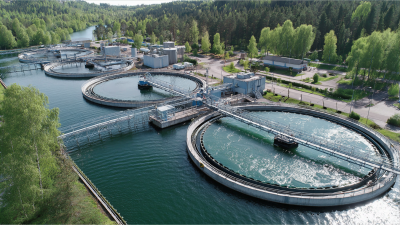
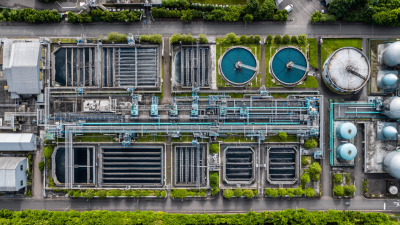
Wastewater treatment might not be the sexiest topic out there, but it’s honestly pretty crucial when it comes to keeping our environment and public health in check. Did you know that, according to the Global Water Intelligence report, the worldwide market for wastewater treatment could hit a whopping $800 billion by 2027? Crazy, right? Making sure this is done right is vital—if not, we run the risk of polluting ecosystems and harming communities. Many industries produce huge amounts of wastewater, and if we’re not careful with how it’s managed, it could cause serious environmental problems.
On the bright side, adopting smarter treatment solutions can actually save companies money and help cut down their environmental footprint. Big players like Veolia and SUEZ are pushing the envelope with some pretty innovative tech. Still, it’s not all smooth sailing—some methods tend to be costly to maintain or gobble up a lot of energy, which can be a real headache. Finding that sweet spot between being effective and sustainable is a constant juggling act for many organizations.
Honestly, the need for better wastewater treatments is urgent. Right now, around 80% of wastewater worldwide gets released into the environment without any treatment at all—that’s pretty alarming. It makes you wonder what current practices are missing and where we could do better. Getting a solid grasp on the best available solutions can really help us come up with smarter strategies to tackle this pressing issue. It’s definitely a challenge, but it’s also a chance for real change.

Importance of Waste Water Treatment in Environmental Protection
Wastewater treatment is crucial for maintaining environmental health. It reduces contaminants that could otherwise harm ecosystems. When wastewater is properly treated, it helps protect rivers, lakes, and oceans from pollution. This protection is vital for aquatic life and human health.
Many communities overlook the importance of efficient wastewater management. Neglecting this can lead to dire consequences. Polluted water sources can spread disease and disrupt local wildlife. A proactive approach can prevent these issues. Investing in treatment solutions maintains clean water standards and supports community well-being.
Tips for effective wastewater management include regular inspections and investment in modern technologies. Upgrading existing facilities can improve treatment efficiency. Involve the community in awareness programs. Education can drive better practices and promote environmental responsibility. Remember, small changes can yield significant benefits.
Overview of Different Types of Waste Water Treatment Solutions
Wastewater treatment is crucial for protecting our environment. Various solutions exist, each with unique characteristics and applications. Common wastewater treatment methods include activated sludge, bioreactors, and membrane filtration. According to the World Health Organization, about 80% of wastewater worldwide is discharged without treatment. This concerning trend affects water quality and public health.
Activated sludge systems are widely used. They harness microorganisms to treat sewage. These systems can reduce biochemical oxygen demand (BOD) and suspended solids effectively. However, they require careful monitoring to avoid operational issues. Membrane bioreactors combine biological treatment with membrane filtration, providing high-quality effluent. This method is gaining traction for its efficiency and space-saving benefits.
Tip: Regular maintenance of treatment systems can significantly enhance performance. Monitoring processes can help identify and rectify issues early, preventing costly downtime. Another efficient approach is integrating solar energy. This not only reduces operational costs but also promotes sustainability. Adjusting to changes in wastewater composition requires ongoing evaluation. Thoughtful consideration of treatment methods can lead to better outcomes for both industries and communities.
Key Technologies Used in Waste Water Treatment Processes
Wastewater treatment is crucial for protecting our environment. Key technologies have emerged to enhance these processes. Biological treatment methods lead the way. These techniques use microbes to break down organic matter. According to the Environmental Protection Agency (EPA), biological processes account for approximately 60% of municipal wastewater treatment.
Membrane filtration is another effective solution. This technology separates solids from liquids using semipermeable membranes. Recent studies indicate that it can reduce contaminants by 90%. However, the energy requirements for membrane systems can be high. This raises questions about sustainability and efficiency.
Advanced oxidation processes (AOPs) also deserve attention. AOPs use powerful oxidizing agents to degrade pollutants in water. Research in 2021 found that AOPs can eliminate up to 99% of certain toxins. Yet, they can be costly and complex to implement. As technologies evolve, finding cost-effective solutions remains a challenge. It is essential to balance innovation with practical feasibility in wastewater treatment.
Comparative Analysis of Physical, Chemical, and Biological Treatments
Wastewater treatment is critical for environmental protection and public health. Physical, chemical, and biological methods each play unique roles in this process. Physical treatments, such as sedimentation and filtration, rely on separating solids from liquids. They are often the first step in treatment. According to the Environmental Protection Agency (EPA), over 80% of wastewater treatment facilities in the U.S. incorporate physical methods.
Chemical treatments involve adding substances to remove contaminants. Common approaches include coagulation and disinfection. These methods can effectively eliminate pathogens and harmful chemicals. However, improper chemical use can lead to secondary pollution. The World Health Organization highlights that about 2 billion people lack access to safe drinking water, partly due to inadequate chemical treatment protocols.
Biological treatments utilize microorganisms to break down organic matter. Techniques like activated sludge systems are widely used because of their effectiveness. However, they require careful monitoring of various factors like temperature and pH. Research shows that biological methods can reduce up to 90% of organic pollutants. Yet, achieving consistent results poses challenges, highlighting the need for continuous improvement in treatment technologies.
Top 10 Waste Water Treatment Solutions You Need to Know
| Treatment Type |
Process |
Advantages |
Disadvantages |
| Physical Treatment |
Filtration, Sedimentation |
Simple and cost-effective |
May not remove dissolved contaminants |
| Chemical Treatment |
Coagulation, Chlorination |
Effective for pathogens and heavy metals |
Requires careful chemical management |
| Biological Treatment |
Activated Sludge, Biofilters |
Sustainable and low energy usage |
Dependent on environmental conditions |
| Membrane Technology |
Microfiltration, Nanofiltration |
High efficiency for small particles |
Potential for membrane fouling |
| Constructed Wetlands |
Natural filtration through plants |
Eco-friendly and low maintenance |
Space requirement for large systems |
| Advanced Oxidation |
Ozone, UV Light |
Effective against a wide range of pollutants |
Higher operational costs |
| Electrocoagulation |
Electrical currents to remove contaminants |
Versatile and efficient for various contaminants |
High energy consumption |
| Sludge Treatment |
Thickening, Stabilization |
Reduces volume and stabilizes waste |
Requires space and energy |
| Chemical Precipitation |
Adding chemicals to precipitate contaminants |
Effective for removing metals and phosphates |
Chemical costs can be high |
| Phytoremediation |
Utilizing plants to absorb contaminants |
Natural process and low cost |
Slower process for large-scale treatment |
Innovative Advances in Waste Water Treatment Technologies
Innovative advances in wastewater treatment have been at the forefront of environmental sustainability. Emerging technologies are revolutionizing how we manage waste. These solutions focus on efficiency and effectiveness, addressing the growing need for clean water. For instance, membrane bioreactors integrate biological treatment with membrane filtration. This method produces high-quality effluent while reducing the footprint of treatment plants.
Recent developments also include advanced oxidation processes. These techniques use chemical reactions to break down pollutants. They hold promise for treating complex wastewater streams, making them safer for discharge. However, the implementation of new technologies often faces challenges, such as cost and scalability. Some systems require significant energy, raising concerns about overall sustainability.
Moreover, real-time monitoring has become critical. Sensors and data analytics provide insights into treatment performance. This offers a chance for immediate adjustments to processes. Yet, reliance on technology can lead to complacency in maintenance routines. Striking a balance between innovation and practical application is essential for long-term success in wastewater treatment.
Challenges and Solutions in Implementing Treatment Systems
Implementing wastewater treatment systems comes with significant challenges. A report from the World Health Organization indicates that nearly 80% of wastewater worldwide is released without adequate treatment. This raises concerns about public health and environmental sustainability. Many facilities struggle with outdated technology and insufficient funding.
A common issue is the lack of skilled personnel. According to the International Water Association, a shortage of trained workers leads to operational inefficiencies. Poor maintenance practices only exacerbate these problems. Facilities often operate under capacity due to financial constraints, which limits their ability to upgrade technology or expand services.
Regulatory compliance is another obstacle. Many treatment plants face strict environmental regulations, yet lack the resources to meet them. An interesting statistic reveals that over 60% of municipal plants in developing regions fail to comply with local standards. This gap creates a pressing need for innovative solutions and investment in infrastructure. The complexities of social, economic, and technical factors require a multi-faceted approach to successfully address the challenges in wastewater treatment.
Future Trends in Waste Water Management and Sustainability
The future of wastewater management is shifting towards sustainability. New technologies aim to minimize the environmental impact. The focus is on resource recovery and energy efficiency. By rethinking wastewater as a resource, we can create a circular economy. Advanced treatment methods can turn waste into energy, nutrients, and clean water.
Emerging trends include the use of artificial intelligence in monitoring systems. AI can help optimize operations and reduce costs. Smart sensors detect problems in real-time, preventing larger issues. Another important aspect is community engagement. Educating the public about wastewater treatment can increase acceptance of solutions.
Challenges still exist, such as outdated infrastructure and funding gaps. Many facilities struggle with rising maintenance costs. Meanwhile, innovative startups are developing cost-effective solutions. Collaborations among industries could drive progress. These efforts may lead to a more sustainable future. However, continuous adaptation and investment are necessary to keep pace with changing demands.
Top 10 Waste Water Treatment Solutions
Exploring the Effectiveness of Cationic Polyacrylamide in Water Treatment: Insights from Recent Industry Data Reports
Cationic Polyacrylamide, a white granule with a linear high molecular structure, has emerged as a critical component in the field of water treatment, showcasing its effectiveness as highlighted by recent industry data reports. This compound is known for its high solubility in water and non-toxic, odorless properties, which make it an environmentally friendly option for various applications. Its ability to easily absorb moisture enhances its performance, particularly in flocculation and clarification processes, where it acts to bind suspended particles and facilitate their removal from water.
The inherent positive charge of the active groups on the molecular chains of Cationic Polyacrylamide allows it to effectively interact with negatively charged impurities in water, resulting in improved coagulation and settling rates. Industry reports have demonstrated its significant role in enhancing the efficiency of wastewater treatment plants and other water purification systems. As organizations continue to prioritize sustainable and efficient water management practices, the use of Cationic Polyacrylamide aligns well with these goals, offering a viable solution that caters to both environmental protection and operational efficacy.
FAQS
: Wastewater treatment protects ecosystems by reducing harmful contaminants. Clean water supports aquatic life and human health.
Ignoring wastewater management can lead to pollution. This impacts water sources, spreads diseases, and disrupts wildlife.
Regular inspections and modern technology investments enhance treatment. Community education promotes awareness and better practices.
Biological treatment methods use microbes to break down waste. These processes are vital and account for about 60% of treatment.
Membrane filtration separates solids from liquids using special membranes. It can reduce contaminants significantly, but it requires high energy.
AOPs degrade pollutants using strong oxidizing agents. They are effective but can be complex and costly to implement.
Physical treatments separate solids from liquids, while chemical treatments remove contaminants by adding substances. Each plays an important role.
Biological methods require careful monitoring of conditions. Achieving consistent results remains a challenge in wastewater treatment.
Community engagement fosters responsibility and awareness. Involving people helps drive better practices for environmental health.
Innovation must be balanced with practicality. Cost-effective solutions are essential as technologies continually evolve.
Conclusion
Waste Water Treatment is crucial for environmental protection, as it helps mitigate pollution and conserve water resources. Various treatment solutions, including physical, chemical, and biological methods, are employed to effectively manage and process wastewater. Each type has its unique advantages and challenges, making a comparative analysis essential for selecting the right approach.
Innovative advances in technology, such as membrane filtration and bioreactor systems, are continuously enhancing the efficiency of waste water treatment processes. However, implementing these systems presents challenges, such as high operational costs and technical complexities. Looking ahead, future trends in waste water management focus on sustainability, emphasizing the need for eco-friendly practices and the integration of smart technologies to optimize treatment outcomes.