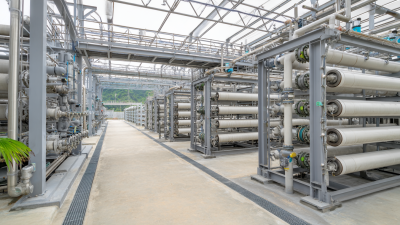
You know, water is pretty much the foundation of life, but honestly, so many folks around the world still struggle to get safe, clean drinking water. Nowadays, having a good water purification system isn’t just about convenience — it’s a serious health thing. I was chatting with Dr. Emily Thompson, a real expert in water treatment and the CEO of AquaSafe Technologies, and she said, “Investing in reliable water purification can literally save lives.” That’s pretty powerful, right?
These systems work by filtering out nasty contaminants, making sure the water is safe to drink. But here’s the thing — not all systems are created equal. Some might miss certain toxins, which raises questions about just how reliable they really are. Plus, a lot of homeowners don’t fully realize how important it is to pick the right system for their needs.
Every water purification system is a bit different. Things like your budget, the amount of space available, and what specific contaminants you’re dealing with really matter. And honestly, there might not be a one-size-fits-all perfect solution. It’s all about figuring out what works best for you. Taking the time to understand your personal situation can make all the difference in ensuring you have safe, clean drinking water—something we all deserve.
Water purification systems play a crucial role in ensuring safe drinking water. Many households are concerned about contaminants. These include bacteria, chemicals, and heavy metals. A good purification system can remove these harmful elements. There are various types available, each with unique methods.
Reverse osmosis is a popular choice. It uses a semi-permeable membrane to filter out impurities. Activated carbon filters are another option. They reduce chlorine and improve taste. UV purification utilizes ultraviolet light to kill pathogens. Each system has its pros and cons. Some methods require electricity, while others do not.
It’s important to consider maintenance too. Filters need regular replacement for optimal performance. Neglecting this can lead to decreased effectiveness. Users may not notice a decline in water quality until it’s too late. Research is essential before making a decision. Each system might fit different needs. Knowing what contaminants are in the water helps in choosing the right system.
Access to safe drinking water is crucial for health. Contaminated water can cause numerous illnesses. Bacteria, chemicals, and heavy metals are common threats. Many people overlook these dangers. Ensuring water quality is not just a personal decision; it’s a community issue.
In many areas, tap water may not be safe. People often rely on bottled water. But that raises other concerns, like sustainability and waste. It’s essential to have reliable purification systems at home. These systems can remove unwanted substances effectively. However, not all purification methods are perfect. Some may leave traces of contaminants behind.
Educating oneself on water quality is vital. Understanding local water sources helps to identify potential risks. Regular testing and maintenance of purification systems are necessary. Many forget this step, leaving them vulnerable. Clean water should be a priority, but achieving it requires effort. Every drop counts, and communities need to work together for better solutions.
Water contaminants are a critical issue that affects our health and well-being. Biological contaminants, like bacteria and viruses, can cause serious illnesses. They thrive in unpurified water sources, leading to outbreaks of diseases. Chemical contaminants, including heavy metals, can slowly poison the body. Long-term exposure may result in chronic health problems, such as kidney damage.
Physical contaminants include sediments and particulates. These can affect the taste and appearance of water. While they may not be immediately harmful, they can harbor other microbes. It's concerning how many people may unknowingly consume contaminated water. The impact of these contaminants extends beyond individual health. It can affect entire communities. Therefore, understanding the types of water contaminants is essential.
Each type of contaminant poses unique risks. Bacteria can often be eradicated through proper filtration or boiling. In contrast, heavy metals require more robust purification methods. Some purification systems may not address all these issues. It's important to research and select an appropriate solution. Many options are available, but imperfections exist in every system. Technology is evolving, yet gaps remain in perfect safety for drinking water.
When selecting a water purification system, several important criteria come into play. First, assess the contaminants present in your water supply. According to the Environmental Protection Agency (EPA), more than 20% of U.S. water systems exceed safety limits for contaminants. This alarming statistic highlights the importance of thorough testing before making a choice.
The method of purification is another key factor. Systems utilize methods like reverse osmosis, UV treatment, or activated carbon filtration. Each method has strengths and weaknesses. For example, reverse osmosis effectively removes dissolved solids but may waste water in the process. Understanding these nuances helps in selecting the right system.
Capacity is also crucial. For families, a system with a higher output is often necessary. A report from the Water Quality Association indicates that average water consumption is about 82 gallons per day for a household. This data underscores the need for compatibility between daily usage and system output. Always consider installation space and maintenance needs. This can influence long-term satisfaction with any system. Each choice might appear simple, yet the implications are significant.
Clean water is essential for health and well-being. According to the World Health Organization (WHO), around 2 billion people use contaminated drinking water sources. Water purification systems offer a viable solution. They can remove harmful bacteria, viruses, and other pollutants. In some cases, these systems can eliminate up to 99% of contaminants. This impressive statistic may inspire confidence, but it’s crucial to consider the limitations.
Different purification systems use various methods, like reverse osmosis, activated carbon, and UV light. Each type has its strengths and weaknesses. For instance, reverse osmosis systems can remove a wide range of impurities but require frequent maintenance. Activated carbon systems are effective in improving taste and odor but may not remove all pathogens. Real-world conditions can affect their efficiency, leading to potential risks.
Quality control is another vital aspect. The effectiveness of water purification systems can vary significantly. Some units may fail to provide adequate filtration if not maintained correctly. A 2019 report highlighted that many households neglect routine upkeep, resulting in less effective water treatment. Users must remain vigilant about filter replacements and system performance to ensure safety. Awareness and education on these systems can greatly influence their success in delivering safe drinking water.
Installing a water purification system can seem daunting. However, proper installation ensures the system works effectively. Read the manual thoroughly. Each system has specific requirements and steps. Misunderstanding these can lead to problems.
Maintenance is equally essential. Regularly check filters and replace them as needed. Some systems show indicators for replacements. Not all do, though. Neglecting this can reduce water quality.
Keep track of installation dates and filter changes. Set reminders on your phone to stay organized. Filtration performance decreases over time. Even the best systems require attention. Don't let convenience lead to complacency. Regular checks will ensure safe drinking water.
| System Type | Filtration Method | Contaminants Removed | Installation Type | Maintenance Frequency |
|---|---|---|---|---|
| Reverse Osmosis | Membrane Filtration | Salts, Heavy Metals, Bacteria | Under Sink | Every 6-12 months |
| Activated Carbon | Adsorption | Chlorine, VOCs, Odors | Countertop/Under Sink | Every 3-6 months |
| Ultraviolet | UV Radiation | Bacteria, Viruses | Point of Use | Annually |
| Distillation | Heating and Cooling | Heavy Metals, Bacteria | Countertop | As needed |
| Ceramic Filtration | Porous Filtration | Bacteria, Sediment | Countertop | As needed |
| Granular Activated Carbon | Adsorption | Chlorine, Sediment | Whole House | Every 6-12 months |
| Ion Exchange | Chemical Reaction | Hardness Minerals, Lead | Water Softener | Monthly |
| Oxidation Filtration | Oxidizing Agents | Iron, Manganese | Whole House | Every 1-3 years |
| Portable Water Filters | Various Filtration | Bacteria, Viruses, Sediment | Portable | Every 100-300 liters |
When exploring water purification systems, cost and performance are essential factors. Many options vary widely in price and efficiency. Some systems are low-cost but offer limited purification. Others can be expensive but deliver impressive results.
Consider reverse osmosis systems. They effectively remove contaminants and improve taste. However, they may require additional filters, increasing long-term costs. On the other hand, UV purifiers kill bacteria and viruses quickly but might not remove chemical pollutants. Assessing your water source is vital. You may need to test your water for contaminants before choosing a system.
Tip: Research local water quality reports. This helps determine what you need to filter out effectively. Another tip is to check maintenance costs. Some systems require frequent replacement parts, impacting overall affordability.
Think about energy usage too. Certain systems consume more power, leading to higher bills. Reflect on your water consumption habits. Large families may require larger systems, while individuals could opt for smaller, cost-effective units. Always weigh the pros and cons of each type against your needs to make the right choice.
Nonionic polyacrylamide is a versatile high polymer characterized by its high molecular weight and low ion exponent, making it a valuable additive across multiple industries. Its unique properties allow it to function effectively in flocculation, dispersal, thickening, bonding, film forming, gelatin, and ensuring colloidal stability. Unlike other coagulants, nonionic polyacrylamide demonstrates remarkable stability across varying pH levels and salt concentrations, making it suitable for diverse applications, from water treatment to agriculture.
In the field of water treatment, nonionic polyacrylamide plays a crucial role in the separation of solids from liquids, enhancing the efficiency of wastewater management systems. Its flocculation properties contribute to the aggregation of fine particles, facilitating their removal and leading to clearer water output. Additionally, in agriculture, it serves as an excellent soil conditioner, improving water retention and soil structure, thereby promoting healthier plant growth.
Furthermore, nonionic polyacrylamide is extensively utilized in the oil and gas industry, where it aids in enhanced oil recovery processes. Its ability to increase viscosity and reduce fluid loss makes it essential in drilling operations and the production phase, improving overall efficiency. The versatile nature of this polymer illustrates its importance across various sectors, with ongoing innovations expanding its applications and enhancing industrial processes.
: Regular exercise improves physical health. It boosts mood and energy levels. It also enhances mental clarity and reduces stress.
Start small. Choose activities you enjoy. Set realistic goals. Gradually increase intensity and duration over time.
Aim for at least 150 minutes of moderate activity weekly. Alternatively, 75 minutes of vigorous activity is also effective.
Stop the activity immediately. Assess the pain level. If pain persists, consider consulting a healthcare professional.
No, a gym membership is not essential. Many effective workouts can be done at home or in a park.
Track your progress. Switch up activities to keep it fresh. Set short-term goals to celebrate small achievements.
Opt for fruits, yogurt, or nuts. These provide essential nutrients and energy replenishment without excessive calories.
Signs include fatigue, decreased performance, and irritability. Listen to your body and take rest days when needed.
Yes, but consult with a healthcare provider first. They can suggest appropriate activities that suit your condition.
It varies by individual. Some prefer mornings for energy, while others enjoy evenings to unwind. Find what works for you.
The article provides a comprehensive overview of Water Purification Systems, emphasizing their vital role in ensuring safe drinking water. It discusses the significance of clean water and the various types of contaminants that can threaten health, highlighting their potential effects on individuals and communities.
Additionally, it outlines key criteria for selecting an appropriate water purification system, considering factors such as efficiency, maintenance, and cost. The review of the top 10 systems includes insights into their performance and installation requirements, while also offering maintenance tips to optimize their effectiveness. Overall, the piece serves as a valuable resource for anyone looking to improve their drinking water quality through effective purification methods.
Paul Zhou:8613356391894 Eric Wong:8615963245439Emily Wu:8617866856171