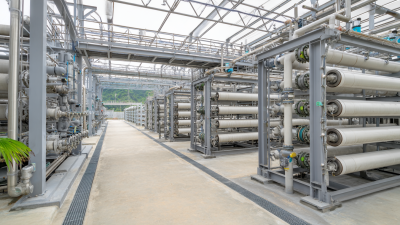
You know, when it comes to clean water, it's kind of impossible to overstate just how important good management is. I mean, recent reports have that mind-blowing stat — over 2 billion people around the world still don’t have access to safe, clean drinking water. That’s huge, and honestly, it just shows how urgent it is to develop better water treatment solutions. Water Treatment Chemicals? They’re pretty much essential. They help purify sources so communities can actually get safe water, and they also make industrial processes run smoothly. I recall a report from 2021 by Global Water Intelligence — they’re predicting the market for these chemicals will hit around USD 55 billion by 2027. This skyrocketing demand is mainly driven by the need for water purification in all kinds of sectors — cities, factories, businesses — you name it.
Getting the water treatment right isn’t just about throwing chemicals at it, though. It really involves understanding which chemicals do what — like coagulants, flocculants, biocides — each one plays a vital role in removing contaminants and keeping water safe. Plus, with environmental concerns on the rise and new regulations popping up, the development of smarter, greener chemicals is a big deal. These newer formulas aim to cut down environmental impact while still doing an awesome job removing pollutants. As the global population keeps climbing, the importance of these Water Treatment Chemicals just keeps growing. It’s more critical than ever for everyone involved — from scientists to policymakers — to stay updated on the latest trends and breakthroughs in this rapidly evolving field.

Overview of Water Treatment Chemicals and Their Importance
Water treatment chemicals play a crucial role in ensuring the safety and quality of drinking water. These chemicals are used in various processes such as coagulation, chlorination, and filtration to remove impurities and pathogens from water sources. By neutralizing contaminants, these treatments not only enhance the physical and aesthetic properties of water but also safeguard public health. Regular monitoring and application of these chemicals contribute to compliance with health standards, making them essential for safe water management practices.
In addition to their health benefits, water treatment chemicals also address environmental concerns. They assist in controlling algae growth, preventing sedimentation, and reducing corrosion in pipelines, which can lead to water loss and contamination. The effective management of these chemicals helps in managing water resources better, thereby promoting sustainability. Ultimately, the proper use of water treatment chemicals is vital to achieving reliable and clean water systems, critical for both community wellness and ecosystem preservation.
Top Water Treatment Chemicals: Essential Solutions for Clean Water Management
Key Categories of Water Treatment Chemicals
Water treatment chemicals play a vital role in ensuring safe and clean water for various applications, from municipal water supplies to industrial processes. The key categories of water treatment chemicals include coagulants, disinfectants, pH adjusters, and corrosion inhibitors. Coagulants, such as aluminum sulfate and ferric chloride, help aggregate suspended particles and impurities, making them easier to remove during the filtration process. According to the Global Water Treatment Chemicals Market report, the demand for coagulants is projected to grow significantly, driven by increasing environmental regulations and the need for effective wastewater management.
Disinfectants are another crucial category, primarily aimed at eliminating harmful pathogens from water. Sodium hypochlorite and chlorine dioxide are widely used disinfectants in both municipal and industrial settings. A report by MarketsandMarkets highlights that the global disinfectants segment is expected to reach a market size of over $10 billion by 2025, underscoring the growing need for safe drinking water amid rising public health concerns. Additionally, pH adjusters, which include acids and bases used to optimize water chemistry, and corrosion inhibitors that protect plumbing systems from damage, are essential components of comprehensive water treatment protocols.
By utilizing these key categories of water treatment chemicals, municipalities and industries alike can tackle the challenges of water quality management effectively. The ongoing advancements in chemical formulations and treatment technologies promise to enhance the efficiency and efficacy of treating water, which is increasingly critical in the face of climate change and urbanization pressures.
Commonly Used Coagulants and Flocculants in Water Treatment
Coagulants and flocculants play a critical role in water treatment processes by facilitating the removal of suspended particles and impurities from water. Coagulants, such as aluminum sulfate and ferric chloride, act by neutralizing the charges on suspended particles, allowing them to clump together into larger aggregates known as flocs. This initial step is crucial in water purification, as it sets the stage for effective sedimentation or filtration. The optimal choice of coagulant depends on the characteristics of the water being treated, including pH, temperature, and the types of contaminants present.
Flocculants complement the action of coagulants by enhancing the aggregation of flocs, making them larger and heavier, which promotes their settling. Commonly used flocculants include polyacrylamides and natural organic polymers. By improving the settling and dewatering processes, flocculants significantly increase the efficiency of water treatment systems. The balance between coagulants and flocculants is essential, as improper use can lead to poor water quality or increased operational costs. Understanding their roles and interactions is vital for optimizing water management practices, ensuring a sustainable supply of clean water.
Top Water Treatment Chemicals: Essential Solutions for Clean Water Management
| Chemical Type |
Common Uses |
Dosage Range (mg/L) |
Environmental Impact |
| Alum (Aluminum Sulfate) |
Coagulation and sedimentation |
50 - 1000 |
Low toxicity, biodegradable |
| Ferric Chloride |
Water purification and sludge dewatering |
10 - 1000 |
Moderate toxicity, potential heavy metal release |
| Polymeric Coagulants |
Enhanced floc formation |
5 - 50 |
Generally low toxicity, environment-friendly options |
| Sodium Hydroxide |
pH adjustment and coagulation aid |
20 - 500 |
Caustic, must be handled with care |
| Cationic Flocculants |
Sludge thickening and dewatering |
1 - 10 |
Low environmental risk, effective at low doses |
Disinfectants: Ensuring Safe Drinking Water
Disinfectants play a critical role in ensuring safe drinking water, a necessity for public health and well-being. According to the World Health Organization (WHO), contaminated drinking water is linked to over 500,000 deaths annually from waterborne diseases. Effective disinfection processes are essential in reducing these risks, and a variety of disinfectants are employed globally to treat potable water supplies. Chlorination, for example, remains one of the most widely used methods, with the Centers for Disease Control and Prevention (CDC) estimating that chlorine is utilized in over 98% of public water systems in the United States.
The effectiveness of disinfectants can be quantified through their ability to eliminate pathogens, including bacteria, viruses, and protozoa. A report by the American Water Works Association (AWWA) highlights that adequate chlorine levels can reduce coliform bacteria concentrations by up to 99.99%, significantly enhancing water safety. Additionally, alternative disinfectants such as ultraviolet (UV) light and ozone are gaining traction due to their ability to inactivate a broad range of microorganisms without leaving harmful residues. The implementation of these technologies, combined with traditional methods, underscores the evolving landscape of water treatment strategies aimed at providing access to safe drinking water for communities worldwide.
pH Adjusters and Their Role in Water Quality Management
pH adjusters are vital components in water quality management, playing a crucial role in ensuring that water maintains an optimal pH level for various applications. Water that is too acidic or alkaline can lead to numerous problems, including corrosion of pipes, reduced effectiveness of disinfectants, and adverse effects on aquatic life. By employing pH adjusters, water treatment facilities can modify the acidity or alkalinity of water, thereby enhancing its overall quality and usability for irrigation, drinking, and industrial purposes.
The effectiveness of pH adjustment lies in the careful monitoring and regulation of water chemistry. Regular testing allows water treatment professionals to determine the appropriate dosages of pH adjusters necessary to achieve a balanced pH level, typically within the range of 6.5 to 8.5. This balance not only extends the lifespan of infrastructure but also ensures that the water is safe for human consumption and ecological health. Moreover, maintaining appropriate pH levels is integral to compliance with environmental regulations, as it minimizes the risk of harmful discharges that can result from extreme pH levels.
Oxidants and Their Impact on Water Purification
Oxidants play a crucial role in the water purification process, providing essential solutions for maintaining clean water management. In recent years, the use of oxidants like chlorine, ozone, and hydrogen peroxide has gained significant traction due to their effectiveness in eliminating microorganisms and breaking down pollutants. According to a report by the World Health Organization, the application of chlorine as a water disinfectant can reduce waterborne diseases by up to 45%, demonstrating its vital impact on public health. Additionally, ozone has emerged as a powerful oxidizing agent, capable of deactivating viruses and bacteria without leaving harmful residuals, making it an increasingly popular choice in water treatment facilities.
The economic benefits of utilizing oxidants in water treatment are equally compelling. A market research study projected the global water treatment chemicals market to reach USD 56.4 billion by 2025, driven largely by the rising demand for efficient purification methods. As sustainability becomes a priority, the shift towards eco-friendly oxidants such as advanced oxidation processes (AOPs) is evident. These methods not only enhance the removal of persistent pollutants but also minimize chemical usage, contributing to healthier aquatic ecosystems. Overall, the strategic incorporation of oxidants in water management systems is essential for both improving water quality and supporting environmental sustainability initiatives.
Environmental Considerations in Water Treatment Chemical Use
The use of chemicals in water treatment plays a crucial role in ensuring safe and clean drinking water. However, it also raises significant environmental concerns that must be addressed. According to a report by the World Health Organization (WHO), improper use or disposal of water treatment chemicals can lead to detrimental effects on aquatic ecosystems and biodiversity. For instance, chlorine, a common disinfectant, poses risks to fish populations and can disrupt the delicate balance of natural habitats when released into water bodies.
Moreover, the Environmental Protection Agency (EPA) emphasizes the importance of evaluating the environmental impact before the introduction of any water treatment chemical. Data indicates that around 80% of water treatment facilities in the United States utilize some form of chemical for disinfection or clarification. This extensive reliance necessitates stringent regulations and best practices to minimize leachate and runoff that could contaminate local water supplies. The industry is increasingly looking toward eco-friendly alternatives, such as plant-based coagulants, which have been shown to reduce potential toxicity to the environment.
Furthermore, lifecycle assessments of water treatment chemicals highlight the importance of considering not only the immediate effects on water quality but also the long-term implications for the environment. For instance, a study published in the Journal of Water Resources Management notes that transitioning to biodegradable treatment chemicals can significantly lower the environmental footprint of water treatment processes. Thus, adopting sustainable practices in chemical usage is not only beneficial for public health but essential for preserving water quality and protecting our ecosystems.
Innovative Applications and Benefits of Anionic Polyacrylamide in Water Treatment and Soil Stabilization
Anionic Polyacrylamide (APAM) is a water-soluble polymer that has garnered significant attention for its innovative applications in water treatment and soil stabilization. In water treatment processes, APAM plays a critical role due to its flocculating properties, allowing for efficient removal of suspended particles, thereby enhancing water clarity. According to industry reports, the global market for flocculants, which includes APAM, is projected to grow at a CAGR of approximately 5.7% from 2020 to 2025, reflecting the increasing demand for clean water resources.
In soil stabilization, Anionic Polyacrylamide enhances the mechanical properties of soil by improving its cohesion and reducing erosion. This application is particularly valuable in construction and agriculture, where soil integrity is crucial for project stability and crop yield. Research has shown that the use of APAM can increase the mechanical strength of soil by up to 30%, making it a preferred choice in many engineering applications. Furthermore, with the growing focus on sustainable practices, the use of APAM not only supports soil health but also contributes to the reduction of environmental degradation caused by erosion.
The versatility of Anionic Polyacrylamide is evident in its adaptability to both neutral and alkaline environments, where it exhibits strong polymer electrolyte characteristics. This enables it to achieve optimal performance across a variety of industrial applications, particularly in regions facing challenges related to water scarcity and soil degradation. As the needs for innovative solutions in water and soil management continue to rise, APAM stands out as a key contributor to sustainable development.
FAQS
: The key categories of water treatment chemicals include coagulants, disinfectants, pH adjusters, and corrosion inhibitors.
Coagulants help aggregate suspended particles and impurities, making them easier to remove during the filtration process.
Disinfectants are primarily aimed at eliminating harmful pathogens from water to ensure it is safe for consumption.
Some commonly used disinfectants include sodium hypochlorite and chlorine dioxide.
pH adjusters are important because they optimize water chemistry to enhance the effectiveness of the treatment process.
Corrosion inhibitors protect plumbing systems from damage, extending the lifespan of infrastructure.
The increasing need for effective purification methods and the shift towards eco-friendly options are driving the demand for oxidants.
Oxidants effectively eliminate microorganisms and break down pollutants, significantly improving water quality.
The global water treatment chemicals market is projected to reach USD 56.4 billion by 2025.
Advanced oxidation processes enhance pollutant removal while minimizing chemical usage, promoting healthier aquatic ecosystems.
Conclusion
Water treatment chemicals are essential for managing clean water and ensuring public health. These chemicals play a critical role in the treatment process, as they help to remove contaminants, enhance water quality, and ensure the safety of drinking water. Key categories include coagulants and flocculants, which aid in the aggregation of impurities, and disinfectants that eliminate harmful pathogens. Additionally, pH adjusters and oxidants are vital for maintaining optimal water conditions and facilitating effective purification.
The use of water treatment chemicals also comes with environmental considerations. It is important to balance chemical use with ecological impacts to preserve water ecosystems. Overall, understanding the various types and functions of water treatment chemicals enables effective water management and supports the availability of safe drinking water for communities.