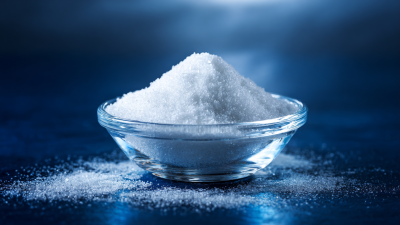
Water treatment chemicals are pretty key when it comes to keeping our water clean and safe all around the world. Did you know that in 2022, the market for these chemicals was worth about $45 billion? And it’s not stopping there — it’s expected to keep growing steadily. I remember chatting with Dr. Emily Carson, an expert in the field, who once said, “Using the right chemicals can really help cut down health risks and boost water safety.” Her words remind us just how important it is to pick the right solutions.
You’ll often hear about chemicals like coagulants, flocculants, and biocides—these are the go-to tools for treating water. They work together to remove contaminants and get the water much purer. For example, coagulants cause tiny particles to clump together so they can be filtered out more easily, while biocides are there to fight off microbes. These products are super important across different sectors—think municipal water systems, farming, and industrial stuff.
But here’s the tricky part: choosing the right water treatment chemical isn’t always straightforward. Each one has its own specific use and limitations, and not every chemical works equally well. Plus, we can’t ignore how these might impact the environment. That’s why ongoing research and innovation are so critical—to make sure we’re using safer, more effective options for everyone.
Hope that makes sense! Honestly, it’s a pretty complex world, but understanding how these chemicals work can really make a difference.
Water treatment chemicals play a crucial role in ensuring clean and safe water across the globe. The variety of chemicals used includes coagulants, disinfectants, and corrosion inhibitors. Each of these chemicals serves a specific purpose in the water purification process. Coagulants help to remove suspended particles, while disinfectants eliminate harmful bacteria and viruses. The global market sees increasing demand for these chemicals as water scarcity becomes a more pressing issue.
In many regions, water quality is not up to standards. Water treatment processes can be complex and often vary by location. This diversity presents challenges for global buyers who must adapt their chemical choices to local needs. Factors such as water source, local regulations, and environmental impact inform purchasing decisions. For instance, some regions might prioritize eco-friendly chemicals due to regulatory pressure or public demand.
Nevertheless, the effectiveness of these chemicals can sometimes be inconsistent. Buyers must stay updated on the latest advancements in technology and research. Regular assessments of chemical performance are vital. A deep understanding of varying local conditions is essential for optimal outcomes. It's important for buyers to seek reliable suppliers who can provide quality and performance data, as well as support in navigating complex water treatment landscapes.
Water treatment chemicals play a crucial role in ensuring environmental safety. They help remove contaminants from water, making it safe for consumption and use. Clean water is vital for human health, agriculture, and industry. When chemicals are used correctly, they can significantly reduce pollution levels. This is especially important in industrial processes, where wastewater can harm ecosystems if not treated properly.
However, the use of these chemicals is not without challenges. Some substances can be toxic if mismanaged. The potential for chemical residues in treated water calls for stringent monitoring. Buyers must understand the implications of using various chemicals. It's essential to work with reliable suppliers who provide clear information on proper usage and safety measures. Despite advancements, the debate on chemical sustainability continues to grow.
Environmental safety requires ongoing education about these chemicals. We must reflect on our choices and their impact on the planet. Sustainable practices should be at the forefront of water treatment strategies. The focus should be on balancing efficiency with eco-friendliness. This balance is not always easy to achieve, but it is critical for our future.
| Chemical Name | Application | Importance | Environmental Impact |
|---|---|---|---|
| Chlorine | Disinfection | Kills harmful pathogens | Effective in maintaining water quality |
| Alum | Coagulation | Removes suspended particles | Reduces turbidity |
| Polymer | Flocculation | Improves sedimentation | Less chemical usage, lower impact |
| Ozone | Oxidation | Effective against bacteria | No harmful by-products |
| Activated Carbon | Adsorption | Removes odors and chemicals | Sustainable and recyclable |
Water treatment is essential for ensuring safe and clean drinking water. A variety of chemicals play crucial roles in this process. Coagulants are commonly used to remove suspended particles. They help particles clump together, making them easier to filter out. Aluminum sulfate is a popular choice. It effectively enhances clarity in water.
When selecting water treatment chemicals, evaluation criteria play a critical role in decision-making. Buyers should consider efficacy, environmental impact, and cost-effectiveness. According to recent industry reports, over 45% of global water treatment companies prioritize sustainable solutions. This reflects a growing trend toward eco-friendly chemicals.
One important factor is the chemical's performance. Effective treatment chemicals significantly improve water quality. Studies show that poorly performing chemicals can lead to operational inefficiencies. Thus, testing and validation of chemical performance is crucial.
Tips: Always request performance data from suppliers. This can include test results and case studies.
Next, consider regulatory compliance. Chemicals must meet local and international environmental standards. Failure to comply can result in legal issues. Industry experts recommend staying updated on regulations affecting chemical selection.
Tips: Regularly review compliance guidelines. Establish a network with regulatory experts for timely advice.
Lastly, cost considerations encompass both purchase price and long-term operational costs. The cheapest option may not provide the best value over time. Some studies suggest that investing in higher-quality chemicals leads to significant savings in the long run.
Tips: Calculate total cost of ownership before purchasing. This approach offers a more accurate financial picture.
The demand for water treatment chemicals has soared globally. According to a recent report by MarketsandMarkets, the water treatment chemicals market is expected to reach $51.3 billion by 2026, growing at a CAGR of 6.2%. This growth is driven by the increasing need for clean water in various industries, including municipal, industrial, and agricultural sectors.
Recent trends show a notable shift towards green and sustainable chemicals. As environmental regulations tighten, companies are seeking eco-friendly treatment options. The demand for biodegradable coagulants, for instance, has increased. A survey revealed that 45% of water treatment facilities are now prioritizing sustainability when selecting chemicals. Many experts predict this trend will continue to shape the market.
Moreover, the COVID-19 pandemic heightened awareness regarding water quality. Public health initiatives now emphasize the importance of treating water to prevent disease outbreaks. However, challenges remain. The supply chain disruptions during the pandemic exposed the vulnerabilities in sourcing chemicals. Many plants struggled to maintain production stability. This calls for an evaluation of sourcing strategies and an increase in local production capabilities to meet growing demands.
Water treatment chemicals are essential for maintaining clean water supplies worldwide. Various global suppliers and manufacturers play vital roles in this industry. They provide high-quality products like coagulants, flocculants, disinfectants, and pH adjusters. These chemicals address issues such as contaminants, pathogens, and balancing water chemistry.
Many suppliers hold certifications that ensure their products meet international safety and quality standards. Some manufacturers specialize in specific regions, tailoring their offerings to local water treatment needs. However, variability in quality and availability can sometimes pose challenges. Some chemicals may be effective in one region but not in another, highlighting the need for ongoing research and development in this field.
While most suppliers work hard to maintain reliable supply chains, disruptions can occur. Economic factors, regulatory changes, or environmental issues can impact production. Buyers must stay informed about these dynamics. Regular assessments of supplier performance and product efficacy can aid in making informed purchasing decisions. The global landscape for water treatment chemicals remains complex, requiring vigilance and adaptability from stakeholders.
Innovations in water treatment chemical technologies are reshaping the industry. A recent report indicates that the global water treatment chemicals market is expected to grow by 6.5% per year, reaching USD 40 billion by 2027. This growth is driven by increasing demand for clean water and stricter environmental regulations. Emerging technologies are key to meeting these challenges.
One recent innovation is the use of bio-based coagulants. These natural substances are proving effective in reducing chemical doses, which minimizes waste. A study found that bio-based coagulants can reduce overall water treatment costs by up to 15%. This change is promising, yet challenges remain in scaling these solutions to diverse water treatment plants.
Another area of focus is advanced oxidation processes (AOPs). AOPs utilize powerful oxidants to decompose contaminants. This method can remove up to 90% of toxic substances. Despite its effectiveness, AOPs can be costly to implement. Ongoing research aims to minimize these costs while improving efficiency. The industry is at a crossroads, facing the need for solutions that balance efficacy, accessibility, and environmental impact.
: Consider efficacy, environmental impact, and cost-effectiveness in your decision-making process.
Effective chemicals improve water quality. Poor performance can lead to inefficiencies and increased costs.
Request performance data, including test results and case studies, from suppliers.
Chemicals must meet local and international environmental standards to avoid legal issues.
Regularly review compliance guidelines and connect with regulatory experts for timely advice.
Not necessarily. The cheapest option may not provide the best long-term value for your needs.
They reduce chemical doses and waste, potentially lowering treatment costs by 15%.
AOP uses powerful oxidants to remove up to 90% of toxic substances, ensuring cleaner water.
Variability in quality, disruptions in supply chains, and changing regulations can impact availability.
Research aims to improve efficacy, accessibility, and mitigate environmental impacts, driving industry innovation.
The article titled "Top 5 Water Treatment Chemicals for Global Buyers" provides a comprehensive overview of the significance and applications of water treatment chemicals in the global market. It emphasizes the critical role these chemicals play in ensuring environmental safety by purifying water supplies and mitigating pollution. The article discusses the top chemicals utilized in various water treatment processes and outlines essential evaluation criteria for selecting appropriate chemicals based on factors such as efficacy, safety, and cost-effectiveness.
Additionally, the article explores current market trends and the increasing demand for water treatment chemicals driven by growing environmental concerns and regulatory requirements. It highlights key global suppliers and manufacturers in the sector while also anticipating future innovations in water treatment chemical technologies. The insights presented in the article aim to guide buyers in making informed decisions to achieve sustainable water management solutions.
Paul Zhou:8613356391894 Eric Wong:8615963245439Emily Wu:8617866856171