0%

You know, with the world’s demand for oil just skyrocketing, it's no surprise that we’re seeing a huge amount of waste oil piling up. I came across a report from the International Energy Agency that said in 2020, around 1.3 billion tons of oil were used—that’s a lot, and consequently, lots of waste oil too. Making sure we treat this waste properly is super important to stop it from polluting our environment. One thing that’s been gaining attention lately is the use of polyacrylamide flocculants for waste oil treatment. Basically, these chemicals help oil separate more effectively from wastewater, which is pretty cool.

Some studies, like those from the American Society of Civil Engineers, even show that flocculants can boost oil recovery rates by up to 90%. That’s pretty impressive! Polyacrylamide, in particular, helps by clumping particles together, making the cleanup process faster and clearer. Still, it’s not all sunshine and rainbows—results can really depend on the type of oil or specific treatment conditions, so it’s not a one-size-fits-all kind of deal.

Companies like BASF and Ashland are really pushing for innovative uses of polyacrylamide, putting in efforts to find better solutions. But, of course, there’s still the concern about how safe these chemicals actually are for the environment. Industry folks are constantly trying to figure out what the long-term impacts might be, and the search for more sustainable, eco-friendly options for waste oil treatment is very much ongoing. Seems like we’re still a ways from perfect solutions, but at least progress is happening.

How to Use Polyacrylamide Flocculant for Waste Oil Treatment?

Understanding Polyacrylamide Flocculant and Its Properties

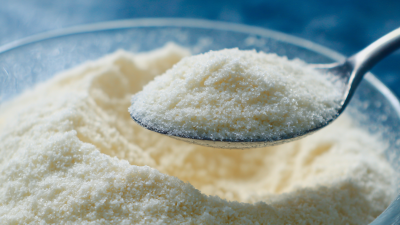
Polyacrylamide flocculant is a synthetic polymer known for its exceptional water-absorbing properties. It is widely used in wastewater treatment, especially for oil removal. The structure of polyacrylamide allows it to bind with suspended particles, facilitating their aggregation. This process enhances the efficiency of sedimentation and filtration. The versatility of polyacrylamide makes it suitable for various types of waste, including oily waste.

When using polyacrylamide, consider the dosage carefully. Too little may not effectively treat the waste, while too much can lead to excess sludge. Always conduct a small-scale test before full implementation. Adjust the dosage based on the type of oil and the concentration of pollutants.

Tip: Monitor the pH levels during the treatment process. Flocculants work best within a specific pH range. Also, remember to stir gently when adding polyacrylamide. Rapid mixing can break down the polymer chains, reducing its effectiveness. There’s a learning curve involved, so keep notes on what works and what doesn’t. Each situation is unique, and adjustments may be necessary.

The Role of Polyacrylamide in Waste Oil Treatment Processes

How to Use Polyacrylamide Flocculant for Waste Oil Treatment?

Polyacrylamide plays a crucial role in waste oil treatment processes. This polymer is beneficial for separating oil from water and clarifying the waste. In treatment facilities, polyacrylamide can bind to suspended particles, forming larger clumps. These clumps settle more easily, allowing for effective removal.

When using polyacrylamide, it's essential to consider the concentration. Too little may not yield significant results, while too much can create excessive sludge. Operators need to find a balance. Additionally, the choice of polyacrylamide type matters. There are cationic, anionic, and non-ionic options, each with distinct characteristics.

Regular monitoring of the treatment process is necessary. Adjusting polymer dosage according to the oil type is important. Some oils are heavier and require more treatment. Yet, clarity and efficiency may diminish if parameters are not optimized. Each treatment scenario is unique, demanding ongoing evaluation and refinement of the process.

Preparing Waste Oil for Treatment with Polyacrylamide Flocculant

Preparing waste oil for treatment with polyacrylamide flocculant involves several critical steps. Start by gathering the waste oil in a suitable container. Ensure the oil is free from any solids or contaminants for effective treatment. However, achieving complete purity can be difficult. Small particles might still be present. These could affect the flocculant's performance.

Next, heat the waste oil slightly. This helps to reduce its viscosity. Warmer oil flows better, making processing easier. Monitor the temperature carefully, as overheating can cause issues. After this, mix the oil with water in a designated tank. The ratio of oil to water is important here. Too much water can dilute the solution, while too little might lead to ineffective flocculation.

Once prepared, add the polyacrylamide flocculant. Follow the recommended dosage, but be prepared for some trial and error. The reaction time can vary. Observe the mixture carefully to determine when flocculation occurs. It’s common to notice some unforeseen challenges throughout this process. Whether it’s unexpected debris or fluctuating temperatures, each step requires attention. Adjustments may be necessary to achieve the desired outcome.

Application Methods for Polyacrylamide in Oil Treatment

Polyacrylamide flocculants are increasingly used in waste oil treatment. These polymers help separate oil from water, enhancing the cleanup process. The basic idea is simple: flocculants bind to oil droplets, allowing them to cluster and settle more easily. This makes oil recovery more efficient.

In application, the method can vary. One common technique involves adding a polyacrylamide solution to the oil-water mixture. This encourages coagulation, leading to larger aggregates. These aggregates can be more easily removed. You may need to adjust the dosage based on oil concentration. Too much can lead to oversaturation, which complicates the process.

Another method is to use a batch system. Here, you mix the flocculant in a controlled environment before introducing it to the oil. This provides better control over the reaction. It’s crucial, however, to monitor the mixing time. Over mixing can break the flocs apart, undermining the efficiency. Remember, experimentation is key. Not every method works the same for every type of waste oil. Constant evaluation and adjustments will lead to better results.

Polyacrylamide Flocculant Efficiency in Waste Oil Treatment

Monitoring and Optimizing Flocculation Efficiency

How to Use Polyacrylamide Flocculant for Waste Oil Treatment?

Flocculation is crucial for effective waste oil treatment. Monitoring and optimizing flocculation efficiency can significantly enhance separation processes. A recent industry report indicates that flocculants can improve oil recovery rates by up to 30%. Polyacrylamide is widely used for this purpose, aiding in the aggregation of fine particles and oil droplets.

To effectively monitor flocculation efficiency, consider key parameters. The pH level of the waste oil can directly influence flocculant performance. Ideally, maintain a pH around 7 for optimal results. Turbidity tests can also provide insights into efficiency levels. These tests help to quantify the clarity achieved post-treatment.

Tips: Regularly calibrate your monitoring equipment. It can drastically change your data accuracy. Small, frequent adjustments can lead to significant improvements. Remember that not all waste oils respond the same way to polyacrylamide. It's essential to conduct preliminary testing to find the best application method. This practice not only saves resources but can boost production efficiency markedly.

Post-Treatment Processing of Waste Oil for Environmental Compliance

Post-treatment processing of waste oil is a vital step in ensuring environmental compliance. According to a report from the International Journal of Environmental Science, approximately 1.3 billion tons of waste oil are generated worldwide each year. Effective treatment methods can significantly reduce the toxicity of waste oil. The utilization of polyacrylamide flocculant enhances this process. It aids in the agglomeration of oil particles, making them easier to separate from water.

Most waste oil treatments aim for a goal of less than 10 parts per million (ppm) of total petroleum hydrocarbons. Meeting this standard is crucial for regulatory purposes. However, not all methods achieve this level of cleanliness. Studies show that traditional separation techniques often leave residual contaminants. This highlights the need for more advanced methods, such as using polyacrylamide flocculant. The flocculant improves the efficiency of oil-water separation, leading to better compliance.

Despite these advancements, challenges remain. The effectiveness of flocculants can vary based on the type of waste oil processed. It is crucial to evaluate each situation individually. Some treatments can produce high-quality results, while others may still require refinement. Continuous improvement in post-treatment processing is essential. This ongoing evaluation can help industries minimize environmental impacts and enhance compliance with regulations.

How to Use Polyacrylamide Flocculant for Waste Oil Treatment? - Post-Treatment Processing of Waste Oil for Environmental Compliance

Parameter Description Value
Type of Waste Oil e.g., Motor oil, used cooking oil Used Cooking Oil
Flocculant Dosage Amount of polyacrylamide used 10-30 g per 1000 L
pH Level Optimal pH for flocculation 6-8
Flocculation Time Time for floc formation 30-60 minutes
Separation Method Method used for solid-liquid separation Centrifugation
Final Oil Quality Quality standard of treated oil Meets environmental standards
Disposal of Sludge Technique for handling waste sludge Landfill or incineration

Safety Considerations When Using Polyacrylamide Flocculant

When using polyacrylamide flocculant for waste oil treatment, safety is paramount. According to a 2022 industry report, exposure to polyacrylamides can cause skin and eye irritation. It's essential to wear appropriate protective gear. Gloves, goggles, and masks should be part of your safety equipment. Regular monitoring of environmental conditions is crucial to ensure compliance with safety standards.

TLS data from 2021 suggests that proper handling practices reduce risks significantly. Never underestimate the importance of facility ventilation as airborne particles can pose serious health threats. Always work in a well-ventilated area and avoid any ingestion or direct contact. Keep emergency response supplies nearby.

Tips: Always store polyacrylamide in clearly labeled, tightly sealed containers. Isolate the storage area from incompatible materials to minimize hazards. Regularly review material safety data sheets to stay informed about potential risks and best practices for handling polyacrylamide. Identify areas for improvement. Is your team fully trained? Are safety protocols clearly communicated? Taking these steps can mitigate risks effectively.

Exploring the Applications and Benefits of Nonionic Polyacrylamide in Industrial and Environmental Solutions

Nonionic polyacrylamide (NPAM) has emerged as a versatile agent in various industrial and environmental applications, largely due to its unique properties. Characterized by a high molecular weight and a low ion exponent, NPAM is effective in flocculation, dispersal, thickening, bonding, film forming, gelatin, and maintaining colloidal stability. Unlike many other flocculants, its performance is unaffected by changes in pH and salt concentration, making it a reliable choice for diverse environments. According to recent industry reports, the global market for flocculants, including NPAM, is projected to grow significantly, driven by increasing demand in wastewater treatment, mining, and agricultural sectors.

In wastewater treatment processes, NPAM plays a crucial role in enhancing the separation of solids from liquids. Its ability to form stable flocs allows for efficient sedimentation, leading to improved clarity of treated water. Studies indicate that using NPAM can reduce sludge volume by up to 30%, which not only minimizes disposal costs but also enhances the overall efficiency of treatment plants. In agricultural applications, this polymer is utilized to improve soil structure and water retention, effectively reducing the need for irrigation and promoting sustainable farming practices.

Furthermore, the environmental benefits of using NPAM cannot be overlooked. As regulatory pressures increase to minimize chemical use in industrial processes, NPAM offers a safer alternative that performs well without introducing harmful substances into ecosystems. By providing a balance between efficiency and environmental responsibility, nonionic polyacrylamide positions itself as an essential component in advancing sustainable industrial solutions.

FAQS

: What should I consider when choosing a product?

: Think about your needs and preferences. Look for features that match your lifestyle. Don’t rush your decision.

How can I ensure product quality?

Check reviews and user feedback. Examine materials used in the product. Quality often reflects in the details.

How do I maintain my purchase?

Regular cleaning helps. Follow maintenance guidelines closely. Neglect can lead to performance issues.

What if I encounter problems?

Identify the issue clearly. Refer to guidance documents if available. It’s okay to ask for help if needed.

Are returns easy?

Return policies can vary. Review them before buying. Some companies make returns simple, while others may not.

What’s the best way to save money?

Look for discounts or bundles. Consider buying during sales seasons. Sometimes, waiting can lead to better deals.

How do I deal with product dissatisfaction?

Reflect on what went wrong. It might be expectations versus reality. Communicate your concerns for potential resolutions.

Is it important to research before buying?

Yes, research can reveal valuable insights. It helps in making informed decisions, preventing buyer's remorse later on.

Conclusion

Polyacrylamide flocculant is a crucial agent in the treatment of waste oil, characterized by its ability to enhance the separation of oil from water and other impurities. The process begins with understanding the properties of polyacrylamide and how it interacts in waste oil treatment. Proper preparation of the waste oil is essential for effective application, which can be achieved through various methods tailored to maximize flocculation.

Monitoring and optimizing flocculation efficiency is vital to ensure that the treatment process is effective and meets environmental compliance standards. Post-treatment processing is equally important to remove residual contaminants and ensure the treated oil meets regulatory requirements. Additionally, safety considerations must be taken into account when using polyacrylamide flocculant for waste oil, ensuring that all handling procedures prioritize health and environmental safety. Overall, employing polyacrylamide flocculant for waste oil treatment presents a promising solution for managing oil waste effectively.

Sophia

Sophia

Sophia is a seasoned marketing professional at Qingdao Oubo Chemical Co., Ltd., a renowned company established in 2011. With a deep expertise in the field of polymer chemistry, she specializes in the promotion of cationic, anionic, and nonionic polyacrylamide products. Her comprehensive......
Previous Choosing the Right Manufacturer for Best High Molecular Weight Anionic Polyacrylamide with Industry Insights
WhatsApp Online Chat !