
Wastewater treatment is such a crucial area right now, especially considering the huge challenges around the world. Did you know that, according to the World Bank, about 80% of all wastewater gets dumped into the environment without ever being treated? Yeah, that’s pretty alarming, and it really highlights just how urgent it is to come up with smarter, more effective solutions. Companies like Veolia and SUEZ are really pushing the envelope here — they’re using cutting-edge tech to recycle and clean water in ways that weren’t possible before.
Looking ahead, the market for wastewater treatment is estimated to hit around $650 billion by 2026, which is a massive number. This growth is mainly fueled by industries needing more advanced systems, tighter regulations, and of course, the growing water scarcity issues the planet’s facing. But here's the thing — many of the people and companies looking for solutions still find it tough to find options that tick all the boxes, especially when it comes to balancing technical needs and tight budgets.
It's pretty important to explore the different options out there. Not every treatment tech works in every situation, so doing some careful thinking and understanding what your specific needs are is key to picking the right approach. With the right info and a bit of patience, buyers can really make smart choices that help pave the way toward a more sustainable future when it comes to managing water.

Overview of Waste Water Treatment: Importance and Challenges
Wastewater treatment is crucial for safeguarding public health and the environment. In 2022, about 80% of global wastewater remained untreated, according to the United Nations. This alarming statistic underscores the severe challenges faced in managing wastewater effectively. Many facilities struggle with outdated technologies, which can lead to inefficient treatment processes and environmental contamination.
The importance of efficient wastewater treatment is underscored by the increasing population and urbanization. By 2050, the UN predicts that nearly 68% of the world's population will live in urban areas. This increase will put immense pressure on existing infrastructure. For instance, a report by the World Bank highlights that inadequate wastewater treatment contributes to about 1.8 million deaths annually from waterborne diseases. These numbers indicate a critical need for innovative solutions in wastewater management.
Moreover, climate change exacerbates existing challenges. Increased rainfall and flooding can overwhelm treatment facilities, leading to untreated discharges. It raises questions about current systems' resilience. As global buyers seek effective treatments, exploring advanced technologies like membrane bioreactors offers potential improvements. However, these systems often require significant investment and expertise, posing a dilemma for many municipalities.
Best Waste Water Treatment Solutions for Global Buyers
| Solution Type | Importance | Challenges | Expected Outcome |
|---|---|---|---|
| Activated Sludge Process | Effective nutrient removal | Process control complexity | High quality effluent |
| Membrane Bioreactor (MBR) | Compact design | Fouling issues | Treated water suitable for reuse |
| Constructed Wetlands | Natural treatment process | Land area requirement | Eco-friendly solution |
| Advanced Oxidation Processes | Reduction of contaminants | High operational costs | Improved water quality |
| Dissolved Air Flotation (DAF) | Effective solids removal | Bubble stability | Cleaner effluent streams |

Innovative Applications and Benefits of Anionic Polyacrylamide in Various Industries
Anionic Polyacrylamide (APAM) is emerging as a versatile solution across various industries, thanks to its unique properties as a water-soluble polymer. Characterized by its ability to operate effectively in neutral and alkaline environments, APAM acts as an excellent flocculant, aiding in the aggregation and sedimentation of particles. In the mining sector, for example, industry reports indicate that the global demand for APAM is projected to grow significantly, driven by its ability to enhance mineral recovery rates by 15-30% through improved separation processes.
Moreover, in the agricultural field, APAM enhances soil conditioning, promoting better water retention and nutrient delivery. Recent studies suggest that its application in agricultural practices can lead to improved crop yields by up to 20%, particularly in arid regions where water scarcity is an ongoing challenge. By minimizing erosion and fostering a more effective irrigation system, APAM contributes to sustainable farming practices, aligning with global initiatives aimed at food security.
In the wastewater treatment sector, APAM demonstrates remarkable efficiency in clarifying water by facilitating the removal of suspended solids and organic matter. Research indicates that the incorporation of APAM in treatment facilities can reduce sludge volume by 30-40%, translating to lower operational costs and enhanced water quality. As industries continue to seek innovative and eco-friendly solutions, the application of Anionic Polyacrylamide will likely expand, driving advancements in both operational efficiency and environmental stewardship.

FAQS
: Wastewater treatment protects public health and the environment. Untreated wastewater can cause serious diseases and pollution.
About 80% of global wastewater remained untreated in 2022, highlighting significant management challenges.
Urbanization increases pressure on existing infrastructure, making effective wastewater treatment more critical as population grows.
Treatment methods should align with wastewater type. Scalability, energy efficiency, and regulatory compliance are also vital aspects.
Yes, regulations ensure treatment processes protect health. Many standards aim to reduce harmful contaminants in discharged water.
Many facilities lack resources to meet stringent discharge limits, risking public health and environmental safety.
Yes, advanced technologies can enhance treatment effectiveness and compliance rates but require investment and understanding of limitations.
Increased rainfall and flooding can overwhelm treatment facilities, leading to untreated discharges and questioning their resilience.
Many regions prioritize immediate solutions over upgrading systems. This leaves facilities vulnerable to compliance failures.
Ongoing maintenance and operator training are essential for ensuring the long-term effectiveness of wastewater treatment solutions.
Conclusion
The article "Best Waste Water Treatment Solutions for Global Buyers?" provides a comprehensive overview of the significance and challenges associated with waste water treatment. It highlights various treatment processes, offering an in-depth comparison to guide buyers in making informed decisions. Innovative technologies that enhance efficiency and effectiveness in waste water treatment are explored, alongside insights into key players within the global market.
Furthermore, the article emphasizes critical factors to consider when selecting waste water treatment solutions, including regulatory standards and compliance to ensure safety and sustainability. Looking ahead, it discusses emerging trends aimed at fostering sustainable practices in waste water treatment, underscoring the importance of responsible management of water resources for a healthier environment.
Related Posts
-

What is Waste Water Treatment and How Does it Work?
-

Understanding the Future: Innovations in Waste Water Treatment Technologies for a Sustainable Tomorrow
-

Top 10 Benefits of Cationic Flocculant in Water Treatment?
-

How to Enhance Oil Drilling Efficiency with Polyacrylamide Water Treatment Solutions
-

How to Determine the Best Polyacrylamide Price for Your Needs
-
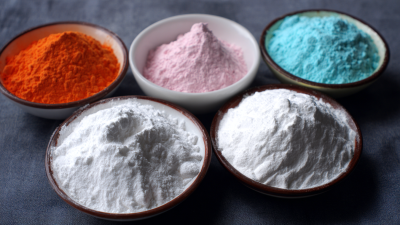
Ultimate Guide to Understanding Polymer Anionic Polyacrylamide Msds for Global Buyers
