0%

Choosing the right wastewater treatment system really starts with understanding your water, not just flipping through a product brochure. Every facility has its unique mix—oils, solids, chemicals, nutrients, or biological stuff—that all play a role. For instance, a food-processing plant might need to focus on removing grease and treating biological waste, while a metal finishing shop might have to keep metals and pH levels in check. It’s all about tailoring the system to fit those specific needs.

The flow rate you handle daily is a big deal, but don’t forget about the peak flows—like after cleaning, storms, or when production ramps up. A system built just for average flow might fall flat during those busy moments. And the little details? They're more important than you think. Taking a sample from an idle tank might tell you one thing, but it doesn’t always reflect what's actually being discharged. To really get a good picture, you need repeated sampling, lab tests, and solid records of how things are running.

It’s tempting to just go for the lowest price quote, but that can end up costing you more in the long run. Things like energy consumption, membrane replacement, sludge handling, operator training, and how easy it is to access the equipment for maintenance are what truly drive costs. I’ve seen systems that look great on paper but underperform because nobody accounted for how dirty sensors could get or how screens might get clogged—that stuff really matters.

When you’re evaluating options, consider performance, capacity, how much space you need, automation features, safety, and whether support and service are reliable for the long haul. Local discharge rules are also a big factor—make sure those are guiding your design—and always get qualified engineers to verify the specs of the equipment. Remember, no one-size-fits-all solution exists. Sometimes, a simple system beats a fancy-looking one because it’s more dependable. The key is finding that sweet spot between staying compliant, being resilient, easy to run, and adaptable for future growth.

This guide is here to help you compare all those factors with more confidence. It also challenges some common assumptions because, honestly, a system that looks efficient on paper might struggle when it’s actually working alongside your production line. Keep the practical in mind, and choose what's right for your specific situation.

How to Choose the Best Waste Water Treatment System?

Understanding Wastewater Treatment Systems and Their Main Functions

How to Choose the Best Wastewater Treatment System?

Understanding a wastewater treatment system starts with its main functions. It should remove solids, organic matter, nutrients, pathogens, and harmful chemicals. Screening catches rags, plastics, and grit before they damage pumps. Equalization tanks reduce sudden flow and strength changes. This matters when kitchens, factories, or hotels discharge unevenly.

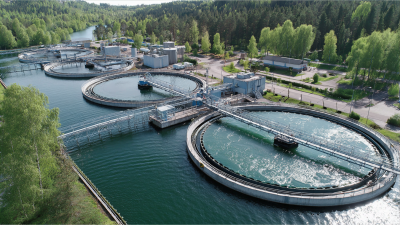
Biological treatment uses microorganisms to reduce biodegradable organic matter. Clarifiers then separate treated water from biological solids. Disinfection targets remaining pathogens before discharge or reuse. The United Nations World Water Development Report estimates that over 80% of global wastewater is released without treatment. That figure shows why process reliability matters. A system can look efficient while still failing during peak flows. Small details matter.

Choosing capacity only from average daily flow is a common mistake. Operators should also examine peak flow, wastewater temperature, pH, oil content, and seasonal variation. The design should match local discharge limits and the intended water reuse. For example, irrigation may require stronger nutrient and pathogen control than simple discharge. WHO and UNICEF reported that 3.5 billion people lacked safely managed sanitation in 2022. Maintenance access, energy demand, sludge handling, and monitoring equipment deserve equal attention. A technically advanced system is not automatically the best choice. Sometimes, simpler equipment performs better because staff can inspect it, clean it, and repair it consistently. No design is perfect. Performance records should guide the final decision.

How to Choose the Best Wastewater Treatment System?

Typical pollutant removal efficiency in a municipal wastewater treatment train

Biological secondary treatment commonly removes about 85–95% of BOD and suspended solids. Nitrogen and phosphorus removal generally requires dedicated nutrient-control processes, and actual performance varies with wastewater characteristics, system design, loading, and operation.

Assessing Your Wastewater Characteristics and Treatment Requirements

How to Choose the Best Waste Water Treatment System?

Assessing Your Wastewater Characteristics and Treatment Requirements

A suitable treatment system begins with measured wastewater data, not equipment catalogs. Test flow, pH, temperature, BOD5, COD, TSS, nitrogen, phosphorus, fats, oils, and toxic compounds. Daily variation matters. A kitchen discharge at 8 a.m. may differ sharply from evening flows.

The numbers can be surprising. Typical domestic wastewater may contain approximately 110–250 mg/L of BOD5 and 100–350 mg/L of suspended solids, according to standard wastewater design guidance. However, industrial sites can exceed these ranges dramatically. The UN World Water Development Report 2017 estimated that over 80% of global wastewater enters the environment without adequate treatment. That figure shows the scale of the problem. It does not define your site.

Start with a representative sampling plan. Collect samples during peak production, cleaning, weekends, and seasonal changes. Composite samples can reveal average loading, while grab samples expose sudden shocks. Operators should also record flow rates and chemical use. Small details matter.

Treatment objectives must match the receiving environment and discharge requirements. A system removing solids may fail when ammonia limits apply. Biological treatment may struggle after toxic cleaning chemicals enter the stream. The U.S. Environmental Protection Agency’s 2022 needs survey estimated over 630 billion dollars in national water infrastructure needs, including wastewater improvements. Budgets are limited, so overdesign can waste capital. Underdesign can create constant operational stress.

A perfect dataset is rare. Re-test questionable results. Reconsider assumptions.

Comparing Treatment Technologies for Different Applications

How to Choose the Best Waste Water Treatment System?

Choosing a wastewater treatment system starts with the water, not the equipment catalogue. A food-processing facility may produce high organic loads, grease, and changing flows. Anaerobic treatment can reduce energy use for strong wastewater, but it needs careful temperature and odor control. Municipal sewage usually benefits from biological treatment, such as activated sludge or moving-bed systems. These options remove organic matter reliably when operators control oxygen, sludge age, and flow changes.

Membrane bioreactors produce clearer effluent in a smaller footprint. They suit water reuse projects where space is limited. However, membranes require regular cleaning and skilled monitoring. They can also consume more energy. Clarifiers paired with biological treatment may cost less, although their performance can decline during hydraulic surges. Small communities sometimes use constructed wetlands, especially where land is available. Their operation is simple, but seasonal temperatures and plant growth affect results.

Industrial wastewater may need several stages. Screening protects pumps, chemical treatment removes metals or phosphorus, and filtration polishes the final water. Reverse osmosis can support high-quality reuse, but it creates a concentrated reject stream that requires responsible handling. In practice, the “best” system is rarely the most advanced one. It should match flow, contaminants, discharge limits, available skills, and long-term maintenance funds. Pilot testing is valuable. Laboratory results can mislead when real wastewater changes daily. A practical design leaves room for mistakes, future expansion, and occasional equipment failure.

Determining the Right System Capacity and Performance Standards

How to Choose the Best Waste Water Treatment System?

Determining the right wastewater treatment capacity starts with reliable flow data. Measure average daily flow, peak hourly flow, and seasonal changes. A small hotel may produce 30 cubic meters daily, while weekend occupancy doubles the morning peak. Industrial sites also need production schedules and cleaning cycles. Use twelve months of meter data when possible. If records are limited, state the uncertainty clearly and include a practical design margin. Oversizing is not automatically safer. It may reduce biological efficiency and raise operating costs.

Performance standards must match the final discharge route. Confirm permitted limits for BOD, COD, TSS, nitrogen, phosphorus, pathogens, pH, and residual chemicals. Reuse applications usually require tighter controls than sewer discharge. An accredited laboratory should test representative samples, including difficult operating days. One clean sample proves little. The treatment process must address actual contaminants, not assumed ones. Process calculations, pilot testing, and monitoring plans offer stronger evidence than promotional claims. Local approval requirements should guide the design from the beginning.

Capacity also includes resilience. Provide equalization for sudden surges and standby pumps for critical stages. Include accessible sampling points, sludge storage, and safe operator access. Future expansion may need 25 percent extra hydraulic capacity, but this requires site-specific verification. A careful engineer also checks energy use, chemical demand, noise, weather exposure, and maintenance skills. I would review the design after three months of operating data. Real performance can expose assumptions that looked reasonable on paper. Keep those lessons in the next upgrade.

Evaluating Installation, Operation, Maintenance, and Energy Needs

How to Choose the Best Waste Water Treatment System?

Choosing a wastewater treatment system starts with the site, not the equipment brochure. Measure average flow, peak flow, temperature, pH, and pollutant loads before comparing designs. A small sampling mistake can distort the entire proposal. Reviewers should also inspect soil conditions, available space, drainage levels, access roads, and discharge requirements. Installation costs often rise when excavation, electrical upgrades, or temporary bypasses were overlooked.

Operation should match the facility’s staff, skills, and daily schedule. Clear controls, remote alarms, and simple process checks reduce avoidable errors. Operators need practical access to pumps, screens, blowers, tanks, and sampling points. Maintenance plans should specify inspection intervals, spare parts, cleaning tasks, and emergency response steps. I have seen systems perform well technically but struggle because sludge removal was treated as an afterthought. That weakness deserves attention.

Energy demand requires careful measurement, especially for aeration, pumping, and ultraviolet treatment. Request a load profile across normal and peak conditions, rather than relying on a single efficiency figure. Variable-speed equipment may reduce consumption, but savings depend on controls and actual flow patterns. Install energy meters during commissioning when possible. Compare monthly kilowatt-hours with treated volume and pollutant load. Our early estimates were occasionally too optimistic. Seasonal changes, poor calibration, and operator adjustments can alter results. A reliable selection includes lifecycle costs, documented test data, staff training, maintenance access, and realistic performance margins.

How to Choose the Best Waste Water Treatment System? - Evaluating Installation, Operation, Maintenance, and Energy Needs
Evaluation Dimension Sequencing Batch Reactor (SBR) Membrane Bioreactor (MBR) Moving Bed Biofilm Reactor (MBBR) Trickling Filter Constructed Wetland
Typical Application Municipal and industrial wastewater with variable daily flows Sites requiring high-quality, compact effluent and possible water reuse Municipal, commercial, and industrial systems requiring flexible biological treatment Small to medium municipal systems with relatively stable flow and loading Small communities, decentralized treatment, and low-energy applications
Typical Treatment Performance Good removal of BOD and suspended solids; nitrogen removal is possible with suitable cycle programming Very high suspended-solids removal; commonly suitable for stringent BOD, TSS, and pathogen requirements Good BOD and ammonia removal; nutrient removal depends on tank configuration and process design Good BOD removal; nitrification is possible with adequate media area and oxygen transfer Moderate to good BOD and suspended-solids removal; nutrient performance varies with design and climate
Installation Complexity Moderate
Requires tanks, controls, decanting equipment, and flow equalization where needed
High
Requires membrane tanks, fine screening, pumps, instrumentation, and specialized commissioning
Moderate
Can often be installed in new tanks or retrofitted into existing biological reactors
Moderate
Requires distribution equipment, media, underdrains, and a downstream clarifier
Low to moderate
Requires substantial land, liners, drainage layers, and vegetation establishment
Land Requirement Moderate
Batch operation can reduce tank volume compared with some continuous-flow layouts
Low
High biomass concentration and membrane separation provide a compact footprint
Low to moderate
High biofilm concentration can increase treatment capacity within existing tank volume
Moderate to high
Requires filter media, hydraulic distribution, and clarification areas
High
Land demand is commonly the main constraint for wetland systems
Indicative Energy Demand Approximately 0.3–0.8 kWh per cubic metre treated, depending on aeration, pumping, and nutrient-removal targets Approximately 0.6–1.5 kWh per cubic metre treated, including aeration, membrane scouring, and pumping Approximately 0.3–0.8 kWh per cubic metre treated, mainly for aeration and pumping Approximately 0.1–0.4 kWh per cubic metre treated; recirculation can increase energy use Approximately 0.02–0.15 kWh per cubic metre treated; energy is mainly used for pumping
Operational Control Moderate
Cycle times, dissolved oxygen, sludge age, and decanting must be controlled
High
Requires control of flux, transmembrane pressure, air scour, sludge age, and cleaning cycles
Moderate
Requires dissolved-oxygen control, media retention, mixing, and sludge management
Low to moderate
Generally simple operation, but hydraulic distribution and ventilation must be monitored
Low
Monitoring focuses on water levels, flow distribution, vegetation, and clogging conditions
Maintenance Requirements Regular blower, valve, sensor, decanter, and sludge-removal maintenance Frequent membrane integrity checks, chemical cleaning, screen cleaning, pump maintenance, and sludge removal Blower, diffuser, media-retention screen, pump, and sludge-removal maintenance Distributor, pump, underdrain, media, and clarifier maintenance; media may require periodic inspection Vegetation management, inlet and outlet inspection, flow-path maintenance, and periodic sediment or media restoration
Sludge Production Moderate; excess biological sludge requires scheduled wasting and disposal Moderate to high; membrane systems often operate at higher biomass concentrations and require sludge wasting Moderate; sludge production depends on loading, sludge age, and process configuration Low to moderate; primary and secondary solids still require periodic handling Low to moderate; solids accumulate gradually and may require infrequent removal
Resistance to Flow Variation Good
Batch cycles can be adjusted, although equalization may be needed for extreme peaks
Good
Strong effluent separation, but peak flow can be limited by membrane capacity
Good
Attached growth provides process resilience when protected from hydraulic shock
Moderate
Hydraulic surges may cause uneven distribution or solids washout
Moderate
Can tolerate gradual variation but performs poorly with sustained hydraulic overloading
Operator Skill Requirement Moderate; operators need process-control and instrumentation knowledge High; requires specialized training in membrane operation, cleaning, and fouling control Moderate; biological process monitoring and mechanical maintenance are required Low to moderate; routine inspection and basic process monitoring are usually sufficient Low to moderate; operation is simple, but hydraulic and vegetation problems must be recognized early
Best Fit When Flexible batch treatment, nutrient removal, and moderate land availability are required Space is limited and consistently high-quality effluent or reuse water is the priority Existing tanks can be upgraded and reliable biological treatment is needed with a moderate footprint Simple, robust treatment is preferred and land and hydraulic stability are available Low energy use, simple operation, natural treatment, and ample land are available
Main Limitation Batch cycles can complicate continuous inflow management and require dependable controls Higher capital cost, energy demand, membrane fouling risk, and maintenance intensity Aeration energy remains significant and final clarification or filtration may still be required Larger footprint and possible odor, flies, or clogging issues if poorly designed or maintained Large land requirement and performance sensitivity to climate, vegetation, and hydraulic loading
Overall Selection Priority Balanced performance, flexible operation, and moderate lifecycle requirements Highest effluent quality and smallest footprint, where budget and technical expertise are available Retrofit flexibility, process resilience, and moderate energy consumption Operational simplicity, proven biological treatment, and stable wastewater characteristics Very low energy demand, low operating complexity, and sufficient land area
Data note: Energy figures and treatment characteristics are indicative planning ranges for properly designed systems. Actual performance depends on influent strength, temperature, discharge limits, flow pattern, aeration efficiency, pumping head, sludge age, climate, and local regulations. A site-specific process design and lifecycle-cost assessment should be completed before selection.

Selecting a Reliable Supplier and Planning Long-Term System Management

Choosing a wastewater treatment system is also a supplier decision. Field experience shows that low purchase prices can hide expensive maintenance problems. Ask suppliers for installation records, treatment results, and references from similar facilities. Request recent laboratory data, not only promotional claims. A reliable supplier explains limits clearly. That honesty matters.

Visit an operating site if possible. Watch the pumps, control panel, chemical storage, and sludge handling process. Ask who responds when an alarm appears at midnight. The contract should define response times, spare parts, operator training, and warranty coverage. It should also state how performance will be verified after commissioning. Vague promises become difficult conversations later.

Long-term planning begins before installation. Set a maintenance calendar for screens, membranes, blowers, sensors, and tanks. Keep critical spare parts in a dry, labeled cabinet. Train at least two operators, because one person may leave unexpectedly. Record flow, pH, temperature, energy use, and laboratory results every week. Small changes often reveal larger problems.

Do not ignore future expansion. A system designed for today’s flow may struggle after production increases. Ask whether tanks, pumps, and controls can be upgraded without rebuilding everything. I have seen projects focus heavily on equipment and overlook staff workload. That mistake is easy to repeat. Review the system quarterly with the supplier and operating team. Adjust procedures when actual conditions differ from the original design.

FAQS

What should guide the selection of a wastewater treatment system?

Start with water conditions, not equipment catalogs. Measure flow, temperature, pH, and pollutant loads before comparing designs.

Which treatment approach suits wastewater with high organic loads?

Anaerobic treatment may reduce energy use for strong wastewater. It needs careful temperature control and odor management.

What system can produce clearer water in limited space?

Membrane bioreactors provide clear effluent within a small footprint. They require regular cleaning, skilled monitoring, and more energy.

Are biological systems suitable for municipal sewage?

Yes, activated sludge and moving-bed systems can remove organic matter reliably. Operators must control oxygen, sludge age, and changing flows.

When might constructed wetlands be practical?

They suit small communities with available land. Seasonal temperatures and plant growth can change treatment results.

Why might industrial wastewater need several treatment stages?

Screening protects pumps, while chemical treatment can remove metals or phosphorus. Filtration or advanced polishing may support final water quality.

What should be checked before installation?

Inspect soil, available space, drainage levels, access roads, and discharge requirements. Excavation and electrical upgrades can raise costs unexpectedly.

How can operators control energy use?

Measure aeration, pumping, and ultraviolet-treatment demand across normal and peak conditions. A single efficiency figure is not enough.

What maintenance details should a design include?

Plans should cover inspections, spare parts, cleaning, sludge removal, and emergency responses. Sludge removal is easily underestimated.

Why is pilot testing valuable?

Real wastewater can change daily, so laboratory results may mislead. A practical design needs expansion space and failure margins.

Conclusion

Choosing the best Waste Water Treatment system begins with understanding the type, volume, and pollution level of the wastewater involved. Key factors include suspended solids, organic matter, chemicals, nutrients, temperature, and discharge or reuse requirements. By matching these characteristics with suitable treatment technologies, organizations can select an effective solution for municipal, industrial, commercial, or specialized applications. The system should also provide sufficient capacity, stable performance, and measurable results that meet relevant environmental standards.

A complete evaluation should consider more than treatment efficiency. Installation conditions, energy consumption, automation, operating costs, maintenance requirements, and future expansion needs all affect long-term value. It is also important to work with a reliable supplier that can provide clear technical guidance, quality equipment, staff training, spare parts, and responsive after-sales support. Careful planning and regular performance reviews will help ensure that the selected system remains efficient, economical, and dependable throughout its service life.

Liam

Liam

Liam is a dedicated marketing professional at Qingdao Oubo Chemical Co., Ltd., a company founded in 2011 that specializes in the production and supply of cationic polyacrylamide, anionic polyacrylamide, and nonionic polyacrylamide. With a profound expertise in the chemical industry, Liam plays a......
Previous Why Use Polyacrylamide Flocculant For Waste Oil?
WhatsApp Online Chat !