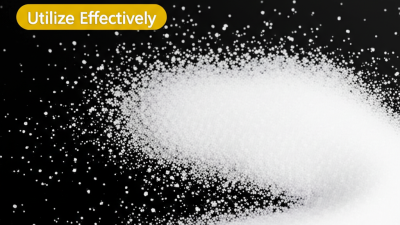
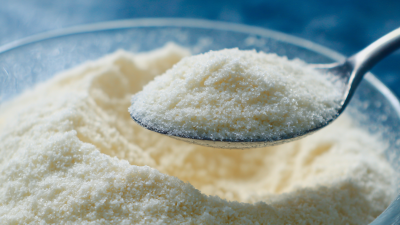
Polyacrylamide Flocculant is honestly a pretty essential stuff in water treatment, farming, and mining industries. I came across a report by MarketsandMarkets that says the global market for it could hit around $7.3 billion by 2025 — pretty crazy, right? Industry expert Dr. James H. Taylor from WaterTech Solutions put it simply: “The efficiency of Polyacrylamide Flocculant in improving sedimentation processes cannot be overstated.” Basically, he’s saying it really helps improve water clarity and cut down on pollutants.
In real-world use, you can see just how versatile Polyacrylamide Flocculant really is. It comes in different forms—like granular and liquid—which means it can be used in tons of different settings. But here’s the thing: you gotta be pretty precise with how much you use. If you don’t, you might end up with less-than-stellar results, and some operators overlook this crucial detail which can mess things up.
Sure, the benefits are huge, but if you don’t handle and apply it correctly, you might run into some issues. It’s really important to understand what your water source needs — because, let’s be honest, Polyacrylamide isn’t a one-size-fits-all fix. Its success depends a lot on knowing what you’re doing and sticking to a consistent approach.

What is Polyacrylamide Flocculant?
Polyacrylamide flocculant is a versatile chemical widely used in various industries. It consists of polymer chains formed from acrylamide monomers. This compound helps in the aggregation of small particles in liquids. When added to a suspension, polyacrylamide creates a floc that aids in the clarification of water. It is essential in sectors such as wastewater treatment, mining, and even paper manufacturing.
To use polyacrylamide effectively, it is crucial to consider the specific application. The dosage varies based on the type of particles present. Operators should ensure accurate measurements. Overuse can lead to ineffective flocculation and potential complications in processing. This product comes in different forms, including powder and emulsion. Understanding the specific requirements of your system is vital.
Despite its many benefits, users should approach polyacrylamide with caution. Proper handling is necessary, given the raw material's potential risks. Training staff on usage and safety protocols is essential for efficiency. Regular monitoring of results helps assess its effectiveness. Failing to adjust the application may lead to suboptimal outcomes. Sometimes, trial and error may be needed to find the perfect balance.
Polyacrylamide Flocculant Usage and Effectiveness
The Chemistry Behind Polyacrylamide Flocculant
Polyacrylamide flocculant is a water-soluble polymer. Its primary function is to aggregate suspended particles in water, aiding in sedimentation and clarification. The chemistry behind polyacrylamide involves its structural backbone, consisting of acrylamide monomers. This polymer can be cationic, anionic, or non-ionic, each type serving different functions in various industries.
Research indicates that polyacrylamide can improve the performance of wastewater treatment processes by up to 30%. According to the American Water Works Association, the use of flocculants can significantly reduce the amount of sludge produced. The effectiveness of polyacrylamide relies on its molecular weight and ionic charge. This variability allows for tailored solutions to specific water conditions.
However, improper usage can lead to issues. High concentrations may hinder floc formation, while low dosages may not effectively bind particles. This complexity requires careful consideration and precise measurements. Environmental implications also warrant attention, as polyacrylamide degradation products can impact aquatic ecosystems. Regular safety assessments remain crucial, ensuring the balance between efficacy and ecological responsibility.
Types of Polyacrylamide Flocculants
Polyacrylamide flocculants play a vital role in various industries, especially in water treatment processes. Understanding the different types of polyacrylamide flocculants is essential for effective use. These flocculants are primarily categorized into anionic, cationic, and non-ionic types. Each category serves specific needs depending on the water chemistry.
Anionic polyacrylamide flocculants work well in alkaline conditions. They are commonly used in mining and wastewater treatment. Cationic flocculants, on the other hand, are effective in acidic environments. They attract negatively charged particles, thus promoting coagulation. The non-ionic type has a neutral charge, making it suitable for a wide range of conditions. It is often used in polymer blending processes.
Choosing the right type can be challenging. Improper selection may lead to ineffective flocculation or even negative outcomes. It's worth noting that each application may require different concentrations and dosages. Some trials may be necessary to identify the most effective formulations. Awareness of these details ensures better results and minimizes waste in applications.
Applications of Polyacrylamide Flocculant in Industries
Polyacrylamide flocculants have significant applications across various industries. In wastewater treatment, they play a critical role in sedimentation and clarification processes. These flocculants help gather small particles, forming larger aggregates that settle quickly. This leads to cleaner water and more efficient processing. The effectiveness of polyacrylamide can vary based on its molecular weight and formulation. Fine-tuning these properties is essential for optimal results.
In the mining sector, polyacrylamide is used for solid-liquid separation. It enhances the recovery of valuable minerals from ores. Often, the conditions of the mining operation can impact the performance of the flocculant. Operators must adapt their strategies to achieve the best outcomes.
Additionally, polyacrylamide finds usage in agriculture, improving water retention in soil. Farmers utilize it to enhance crop growth under varying weather conditions. However, the long-term environmental impacts of synthetic polymers require ongoing assessment. Balancing immediate benefits with sustainability is crucial.
How to Prepare Polyacrylamide Flocculant Solutions
Polyacrylamide flocculants are essential for various industrial applications, especially in water treatment. Understanding how to prepare flocculant solutions is crucial for effective use. Start by ensuring you have the right materials. High-quality polyacrylamide powder and clean water are vital. Measure the required amount of powder accurately.
Mix the powder slowly into cold water. Stirring should be gentle to avoid clumping. A whisk or a blender works well. Avoid introducing too much air into the mixture. This step can reduce effectiveness. After mixing, allow the solution to sit. This waiting period helps the flocculant dissolve completely.
The concentration of your solution affects its performance. A dilute solution may not work well in all applications, whereas a concentrated one can be too viscous. Always conduct tests with small batches first. This method allows you to adjust the formula before large-scale application. Remember, each treatment scenario may require tweaking the solution's strength and composition for optimal results.
What is Polyacrylamide Flocculant and How to Use It? - How to Prepare Polyacrylamide Flocculant Solutions
| Property |
Value |
| Chemical Formula |
C3H5NO |
| Molecular Weight |
4,000 - 1,500,000 g/mol |
| Appearance |
White powder or granules |
| Solubility |
Soluble in water |
| Applications |
Water treatment, paper making, mining, oil recovery |
| Preparation Concentration |
1 - 2% solution recommended |
| Storage Conditions |
Cool, dry place, away from direct sunlight |
| Safety Precautions |
Use gloves and masks, avoid dust inhalation |
Step-by-Step Guide to Using Polyacrylamide Flocculant
Polyacrylamide flocculant
is a versatile agent used in various industries. To use it effectively, start with preparation. Gather your materials: the flocculant powder, water, and a mixing container. Measure the required amount of flocculant based on your application. It’s crucial to consult guidelines specific to your situation.
Next, dissolve the flocculant in water. Stir gently to prevent clumping. Aim for a consistent solution. Let it sit for a few minutes to fully hydrate. This step is often overlooked, yet vital for optimal performance. Once ready, apply the solution to your target area. Ensure even distribution. Monitoring the reaction is key.
Watch for any unexpected changes or challenges during application. Adapting your approach based on these observations will improve outcomes.
Evaluate your results after use. Not every application will yield perfect results. Some adjustments may be necessary for future uses. Document your methods and results. This reflection process is essential for mastering the use of polyacrylamide flocculant.
With practice, you can enhance efficiency and effectiveness in your projects.
Safety Precautions When Handling Polyacrylamide Flocculant
When working with polyacrylamide flocculant, it’s crucial to prioritize safety. This chemical can cause harm if not handled properly. Always wear protective gear, including gloves and goggles. These will help guard against skin and eye irritation. If you come into contact with the substance, rinse the affected area with plenty of water.
Ventilation is just as important. Ensure your workspace is well-ventilated to avoid inhaling dust. Avoid working in enclosed spaces where fumes can accumulate. It’s advisable to familiarize yourself with the material safety data sheet (MSDS) for detailed health and safety information.
Tips: Always store polyacrylamide in a cool, dry place. Keep the container tightly closed to prevent contamination. If you notice any spills, clean them up immediately with appropriate materials. Be cautious and follow all guidelines to minimize risks.
Accidental exposure can lead to confusion and discomfort. Be mindful of how you handle this substance. It’s easy to overlook safety steps, especially in a busy environment. Regular training on proper handling techniques can further enhance safety.
FAQS
: They are primarily used in wastewater treatment for sedimentation and clarification.
They gather small particles, forming larger aggregates that settle quickly for cleaner water.
Its molecular weight and formulation are crucial for achieving optimal results.
Yes, it helps with solid-liquid separation and enhances mineral recovery from ores.
It improves water retention in soil, aiding crop growth under different weather conditions.
Yes, the long-term impacts of synthetic polymers must be assessed for sustainability.
Gather your materials: flocculant powder, water, and a mixing container.
Proper hydration ensures a consistent solution, which is vital for effectiveness.
Apply it evenly to the target area and monitor the reaction closely.
Evaluate your results and document methods for future improvements.
Conclusion
Polyacrylamide Flocculant is a synthetic polymer widely used for its ability to aggregate suspended particles in various industries. Composed of acrylamide monomers, its chemistry allows it to effectively bridge gaps between particles, leading to the formation of larger flocs that settle out of solutions. There are different types of Polyacrylamide Flocculants, categorized based on their ionic charge—anionic, cationic, and non-ionic—each suited for specific applications such as water treatment, mining, and wastewater management.
To utilize Polyacrylamide Flocculant, users must prepare proper solutions, typically dissolving the flocculant in water at recommended concentrations. A step-by-step guide outlines the process of adding the flocculant to the slurry while ensuring adequate mixing for optimal results. However, safety precautions are crucial when handling this chemical, as it requires careful attention to avoid risks associated with inhalation or skin contact. Overall, Polyacrylamide Flocculant is a valuable tool in enhancing the efficiency of sedimentation processes across various sectors.