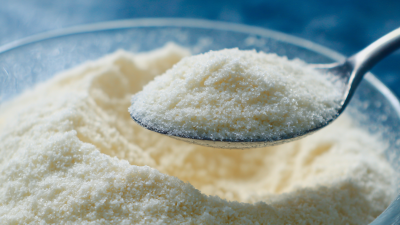
Polyacrylamide Polymer is this pretty versatile chemical that's used in all sorts of industries. I remember Dr. Emily Johnson from WaterTech Solutions once said, 'Polyacrylamide really helps improve water quality and efficiency,' and that really stuck with me. It just goes to show how important this stuff is when it comes to water treatment.
On the industrial side of things, this polymer helps control erosion and even improves soil structure, which is a big deal in agriculture. But it doesn’t stop there — it’s also used in enhanced oil recovery, mining, and even making paper. Honestly, each of these applications really highlights how crucial Polyacrylamide is in modern processes.
That said, it’s not all smooth sailing. There are definitely concerns about its impact on the environment, so we’ve gotta be careful. Ongoing research is essential to tackle these issues and make the polymer more sustainable. As industries keep evolving, it’s more important than ever to understand and improve how we use Polyacrylamide. It’s a fascinating topic with a lot of potentials, but also some challenges to consider.

What is Polyacrylamide Polymer?
Polyacrylamide is a synthetic polymer formed from acrylamide monomers. This compound is key in various industrial applications due to its unique properties. Its structure allows it to absorb large quantities of water, making it a vital component in processes like water treatment and soil conditioning.
In the water treatment industry, polyacrylamide is prized for its ability to act as a flocculant. It helps in aggregating fine particulates, which leads to clearer water. According to a report by Grand View Research, the global market for polyacrylamide reached $4.4 billion in 2020, with expectations to grow at a CAGR of 5.2% from 2021 to 2028. This data reflects the increasing reliance on polyacrylamide for efficient water purification methods.
Beyond water treatment, polyacrylamide finds use in agriculture. As a soil conditioner, it aids moisture retention, especially in arid regions. However, usage levels need careful consideration. Overapplication can lead to soil issues, affecting plant growth negatively.
Maintaining an optimal balance is crucial. This highlights the importance of targeted research and development in ensuring polyacrylamide's benefits are maximized while minimizing potential drawbacks.
Chemical Structure and Properties of Polyacrylamide
Polyacrylamide is a synthetic polymer, known for its unique chemical structure. Its backbone consists of repeating acrylamide units, which are linked by amide groups. This structure grants polyacrylamide its water-soluble nature, making it an ideal material in various applications. Its molecular weight can vary significantly, influencing its properties and uses.
The polymer can exist in different forms: anionic, cationic, and non-ionic, depending on the functional groups attached. This versatility allows it to interact with various substances. Anionic polyacrylamide is often used in water treatment processes. Meanwhile, cationic polyacrylamide is suitable for applications in papermaking. Its non-ionic form is valuable in soil conditioning and agriculture.
Polyacrylamide's ability to form gel-like substances is fascinating. This gelation property is useful in fields like biochemistry and pharmaceuticals. However, the handling of this polymer must be done with care, as its production can lead to pollution if not managed properly. Understanding its properties fully requires more research. While the benefits are clear, some potential hazards exist, calling for a cautious approach.
Types of Polyacrylamide: Anionic, Cationic, and Nonionic
Polyacrylamide (PAM) is a versatile polymer extensively used across various industries. Understanding its types is crucial. The three primary forms include anionic, cationic, and nonionic polyacrylamide, each serving distinct purposes based on their charge and application.
Anionic polyacrylamide is widely used in water treatment processes. Its negative charge allows it to effectively bind with positively charged contaminants, enhancing sedimentation in wastewater systems. According to a 2020 industry report, anionic PAMs demonstrate a binding efficiency of over 90% for specific particles in treatment applications. This efficiency makes it a popular choice for municipal and industrial water treatment plants.
Cationic polyacrylamide, on the other hand, is often applied in municipal sewage treatment and paper manufacturing. Its positive charge attracts negatively charged materials. This makes it effective for dewatering sludge and improving paper quality. Research indicates that cationic PAM has increased filtration rates by 30% in various laboratory tests. Nonionic polyacrylamide, considered the least reactive, finds utility in applications like soil stabilization and dust control. Its neutral charge prevents unwanted reactions, but its effectiveness can be limited in highly charged environments.
While polyacrylamides provide significant benefits, they are not without challenges. Correct dosage and environmental effects must be carefully monitored. Overuse may lead to issues with foam formation and biotoxicity. Achieving the right balance remains an area of ongoing research and consideration in the industry.
Common Applications of Polyacrylamide in Industry
Polyacrylamide is a versatile polymer used widely across various industries. Its ability to absorb water makes it valuable in agricultural applications. Farmers apply it to improve soil moisture retention. This results in better crop yields, especially in arid regions. Yet, its use raises concerns. Over-application may impact soil health negatively.
In mining, polyacrylamide serves as a flocculant. It helps separate fine particles from liquids during mineral extraction. This process enhances recovery rates. However, the use of chemicals in this sector raises questions about environmental safety. Careful management is essential to mitigate potential risks.
Wastewater treatment facilities also utilize polyacrylamide. It promotes the settling of solids and helps clarify water. While this method is effective, it can lead to challenges. The polymer must be disposed of correctly to avoid groundwater contamination. Awareness of these issues is necessary for sustainable practices in all applications.
Role of Polyacrylamide in Water Treatment Processes
Polyacrylamide is a versatile polymer widely used in water treatment processes. It aids in various applications, particularly in clarifying water and enhancing sedimentation. By facilitating the agglomeration of fine particles, polyacrylamide helps create larger flocs. This process leads to more effective removal of impurities from water sources.
In water treatment plants, polyacrylamide plays a crucial role. It is often used as a flocculant to improve the efficiency of sedimentation tanks. When added to wastewater, it allows for faster settling of suspended solids. This accelerates the overall purification process. However, the optimal dosage must be carefully calculated. Too much polymer can lead to complications, such as excessive binding of particles.
While polyacrylamide is effective, there are considerations to keep in mind. Its environmental impact is a topic of ongoing research. Questions arise about the long-term effects of residual polymer in treated water. It is essential for operators to remain vigilant and continually assess their processes. Adapting to new findings can enhance the safety and reliability of water treatment.
Polyacrylamide in Agriculture and Soil Management
Polyacrylamide is a synthetic polymer that has found valuable applications in agriculture, particularly in soil management. It improves soil structure and enhances water retention. When mixed into the soil, it can significantly increase moisture levels. This is essential, especially in arid regions. Farmers are noticing improved crop yields and better soil health.
However, the use of polyacrylamide is not without challenges. Its effectiveness can vary based on soil type and environmental conditions. Over-reliance may lead to unintended consequences. For example, excessive use can alter soil chemistry. It is important for farmers to monitor and adjust their usage accordingly. This creates a need for better education on application methods.
Balancing benefits and potential drawbacks is crucial. Polyacrylamide may support sustainable practices, but it requires careful management. Farmers must observe how it interacts with local soils and climates. Continuous assessment is vital to ensure it contributes positively to their agricultural practices.
Polyacrylamide Usage in Agriculture
Safety and Environmental Considerations of Polyacrylamide Use
The use of polyacrylamide polymers is widespread across various industries, particularly in water treatment and soil stabilization. While its benefits are significant, safety and environmental considerations must be taken into account. Studies show that improper handling and disposal can lead to potential risks. These risks range from aquatic toxicity to soil degradation if polyacrylamide is not managed properly.
Research indicates that polyacrylamide itself is generally considered non-toxic to humans. However, there is ongoing debate about its effect on aquatic life. The U.S. Environmental Protection Agency (EPA) reported that polyacrylamide can degrade in the environment but may form potentially harmful byproducts. This highlights the need for careful application and monitoring. In areas where it is used, local regulations should be followed to mitigate risks.
Industry experts stress that training is crucial for workers handling polyacrylamide. Proper protective gear can minimize risks. Many facility operators are now investing in training sessions to raise awareness of safety protocols. This proactive approach helps prevent accidents. However, challenges remain in standardizing these safety practices across industries. The focus on environmental stewardship continues to grow, urging stakeholders to consider more sustainable options while using polyacrylamide.
FAQS
: The three main types are anionic, cationic, and nonionic polyacrylamide. Each serves different purposes.
Its negative charge allows it to bind with positively charged contaminants, enhancing sedimentation efficiency.
Cationic polyacrylamide attracts negatively charged materials, making it useful for sewage treatment and improving paper quality.
It acts as a flocculant, improving sedimentation tank efficiency by facilitating larger floc formation.
Dosage must be monitored to avoid issues like foam formation and biotoxicity. Overuse can complicate purification.
Nonionic polyacrylamide has a neutral charge, which limits its reactivity but can help in soil stabilization and dust control.
There are ongoing concerns regarding the long-term effects of residual polyacrylamide in treated water. Operators need to monitor this.
Excessive amounts can lead to complications, such as too much particle binding, negatively impacting purification processes.
They must remain vigilant and adapt to new findings to ensure safety and reliability in their processes.
Yes, careful monitoring is necessary to prevent potential biotoxicity associated with improper usage.
Conclusion
Polyacrylamide Polymer is a versatile synthetic polymer widely utilized across various industries due to its unique chemical properties. Its structure provides high water solubility and the ability to form gels, making it an ideal agent in applications ranging from water treatment processes to soil management in agriculture.
There are three main types of Polyacrylamide: anionic, cationic, and nonionic, each tailored for specific uses and functionalities. In water treatment, Polyacrylamide plays a crucial role in flocculation, helping to clarify water by aggregating suspended particles. Furthermore, in agriculture, it enhances soil stability and moisture retention, promoting better crop yields. Despite its benefits, safety and environmental considerations must be addressed to ensure responsible usage of Polyacrylamide Polymer.